
Muslim Responses To Anti-Islam Polemics
Welcome to Bismika Allahuma: Muslim Responses To Anti-Islam Polemics, a Muslim apologetics website website dedicated to Islamic apologetics and counter missionary efforts. Our mission is to address and refute the myriad of misleading criticisms and misrepresentations of Islam, primarily propagated by Christian missionaries and their Islamophobia allies. This platform was meticulously crafted to serve as a comprehensive resource for Muslims worldwide, offering accurate, articulate, and authoritative responses to counteract the false narratives spread by critics such as Nabeel Qureshi, David Wood, Sam Shamoun, and anti-Islamic platforms in the likes of Answering Islam and Ali Sina. By engaging directly with these criticisms through Islamic apologetics, Bismika Allahumma aspires to dismantle the misinformation surrounding Islam and showcase the religion's true essence—a religion that champions peace, compassion, and a profound sense of justice. Through scholarly research, traditional Islamic teachings, and contemporary insights, we craft insightful Islamic apologetic responses that not only challenge the baseless allegations but also promote a deeper understanding of Islamic principles and beliefs.
As a counter missionary initiative, our website is a treasure trove of comparative religion resources designed to deepen one's understanding of Islam and equip individuals with well-reasoned arguments and perspectives. We host a wide array of articles, videos, and publications covering the Islamic faith, history, and culture, curated to enlighten visitors about the richness and diversity of Islam. As Islam is now the fastest growing religion in the world, it should come as no surprise that some organisations and people would view it as a threat to their respective ideologies. Furthermore, the Bismika Allahumma mission is amplified through our affiliated YouTube channel, The Muslim Apologist, and its corresponding website, extending our reach and enabling us to engage with a wider audience. These platforms feature debates, lectures, and Q&A sessions, addressing common misconceptions and clarifying complex topics, thus fostering a dynamic space for dialogue and understanding through Muslim apologetics.
Bismika Allahuma commitment to Muslim apologetics and counter missionary work fosters a more informed and respectful dialogue around Islam. We are committed to defending the integrity of Islam while promoting a message of peace and mutual respect through Islamic apologetics. By exploring our content, readers can gain a comprehensive view of Islam, moving beyond the simplistic and often distorted portrayals in mainstream media. Join us in our endeavour to promote a more informed and respectful understanding of Islam in the global discourse.
-
Clarifying Sūra at-Tawbah : Aggression and Treaty Ethics in Islam
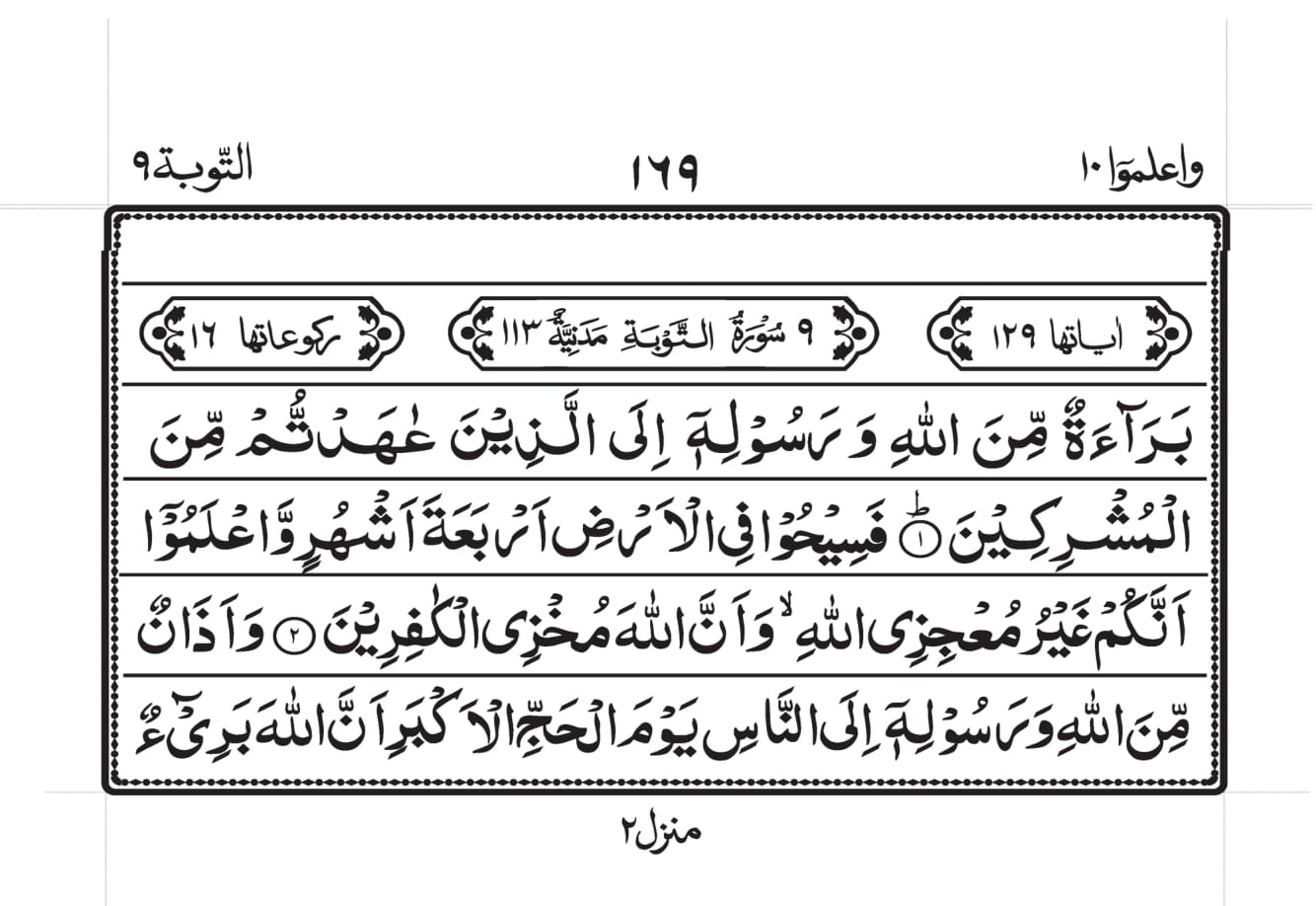
Sūra at-Tawbah addresses conflict and treaty dynamics in early Islam. We explore critiques from Christian critic Sean Rodrigues, providing historical insights and interpretations on treaty ethics and responses to aggression, enhancing understanding of its guidance on intercommunal obligations.
-
Exploring Population Dynamics : Demographic Discrepancies in Biblical Narratives

Explore demographic disparities in biblical accounts, focusing on Genesis, Exodus, and Numbers. Through textual scrutiny and mathematical models, unravel the enigmas of ancient Israelite society. Discover the delicate balance between narrative tradition and empirical evidence, shedding light on historical complexities.
-
Reassessing The Binary : Christian Depictions of Jesus and Muhammad

In the face of Christian polemics, a critical exploration into Islamic teachings offers a pathway to uncovering the true essence of Prophet Muhammad’s message. This approach reveals the depth, compassion, and wisdom of Islam, contrasting sharply with misconceptions. Embark on a journey to challenge narratives, seek authenticity, and illuminate the profound principles of Islam.
-
Some Critical Thoughts On His Death : Nabeel Qureshi (1983 – 2017)

Nabeel Qureshi's death at 34 due to stomach cancer elicited mixed reactions online, particularly among Muslims and Christians engaged in apologetics. Known for branding himself as an "ex-Muslim," Qureshi authored three polemical books critiquing Islam, developed a profit-driven video course for evangelical audiences, and collaborated with Ravi Zacharias International Ministries (RZIM) on seminars aimed at…
-
No Resurrection In Mark’s Gospel : Paul of Tarsus Says That The Gospel Of Mark Is Futile
But the first of the four gospels, i.e., the Gospel according to Mark, apparently did not receive Paul’s memo. And this is a very important point as we keep in mind that each of the gospels were initially divorced from each other and were written in different localities for different audiences.
-
Examining the Gospels’ Accounts : Call of the First Disciples

So which is the correct Gospel account concerning the choice of Jesus' first apostles? Between Mt. 4, 12-22; Mk. 1, 14-20; Lk. 5, 1-11; Jn. 1, 35-42, which is the correct Gospel account regarding the call of the first disciples of Jesus?
-
On The Reliability Of Luke As A Historian
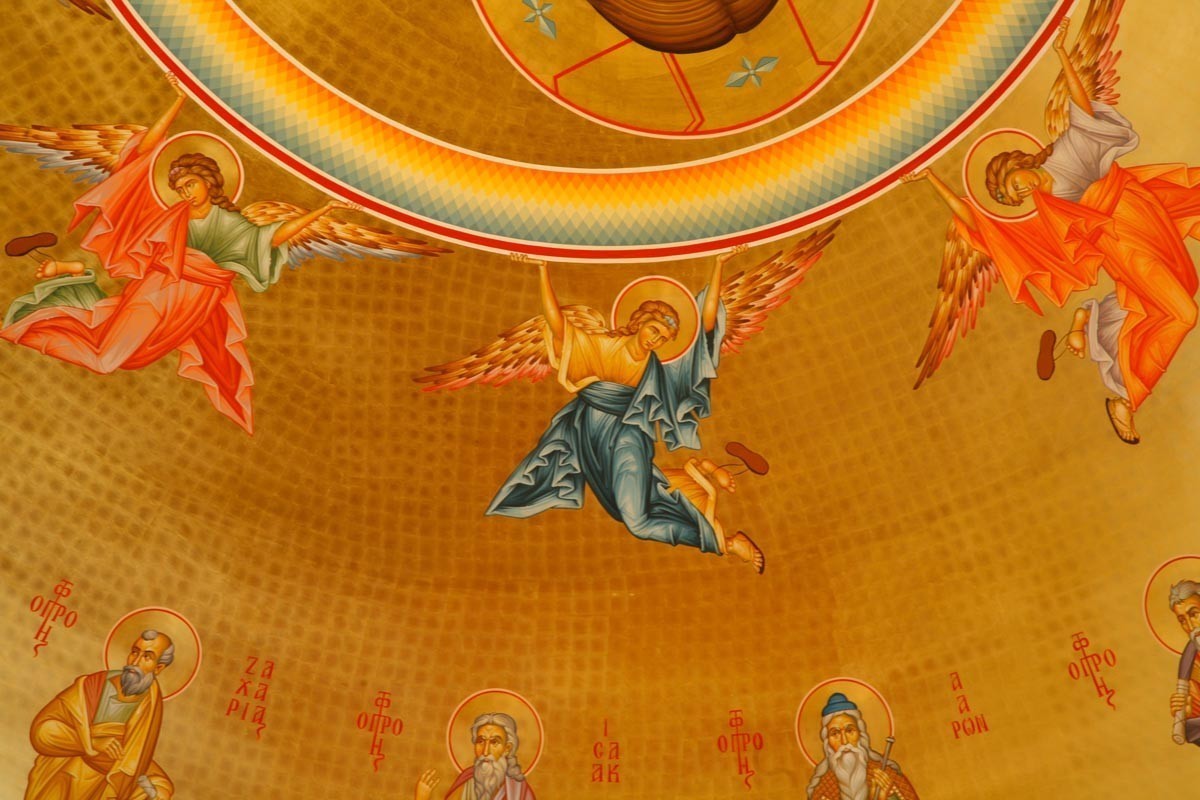
One of the most popular argument often proposed by missionaries as “evidence” that Luke was “inspired”, or at least someone who we can blindly trust without second thoughts, is as follows: he was an excellent historian who conducted a careful investigation during the course of composing his books.
-
Book Review of Ali Sina, “Understanding Muhammad : A Psychobiography”
For those who are familiar with “Faithfreedom International”, the name of its founder Ali Sina (a pseudonym) is synonymous with the bigotry and vile rhetoric often displayed against Muslims and Islam. He openly advocated for the atomic bomb to be used on Muslims and declared that he will “wipe out” Islam within 30 years.
-
King Abdullah I : As the Arabs See The Jews

King Abdullah disputes the mistaken view that Arab opposition to Zionism (and later the state of Israel) is because of longstanding religious or ethnic hatred.