
Asif Iqbal
Qurのの解釈を」 �nic暴露求める主に2つの要因がある。 初めにit�s Qurの」 �nic言語。 Qurの」 �nが明らかにされた言語は古典的なアラビア詩歌の文学的な言語(Hochsprache)の最高レベルだった。 のは仕事でかシリアの新聞におよびエジプトこのごろあるアラビア語使用されるHaririの同類、Mutanabbi、Zamakhshariおよびこれらの土地の詩人そして作家のペンから出るそれまたはRaziアラビア語ではない。 疑いはまた言語のこれらの明示アラビア語ではないが、このアラビア語の様式そしてdictionとQurのそれの相違はNewsweekで」最高レベルの古典的なアラビア語として適切に名づけることができる�nicアラビア語がシェークスピアかミルトンまたはKeatsまたはDickensおよび言語者の言語の相違のような何かのか時間または経済学者このごろ見つける。 Qurのの理解に実質の価値」 �nic言語、イディオム、隠喩およびhermeneuticsである古典的なアラビア語の文献はQuss Ibn Sa�idahとして�ImruのAlQays、Zuhayrの演説者の�Amr Ibn Kulthum、Labid、Nabigah、Tarfah、�Antarah、A�shaおよびHarith Ibn Halizzahおよびelocutionsとして古典的な詩人で仕事を構成する。 このプロジェクトは通常素人のために可能ではないし、彼/彼女は確実な必要な助けを得るために論評を参照しなければならない。
2番目にそれはde novoの説明的な仕事を求める前の文献でを取扱われない状態の常に増加する数である。 例えば、問題は要求する関連したQurのの広汎な解釈を」 today�sのイスラム教のコミュニティのための�nic暴露、すべてクローンとして作ること、同性愛、遺伝的変更された食糧、インターネット倫理、等好む。
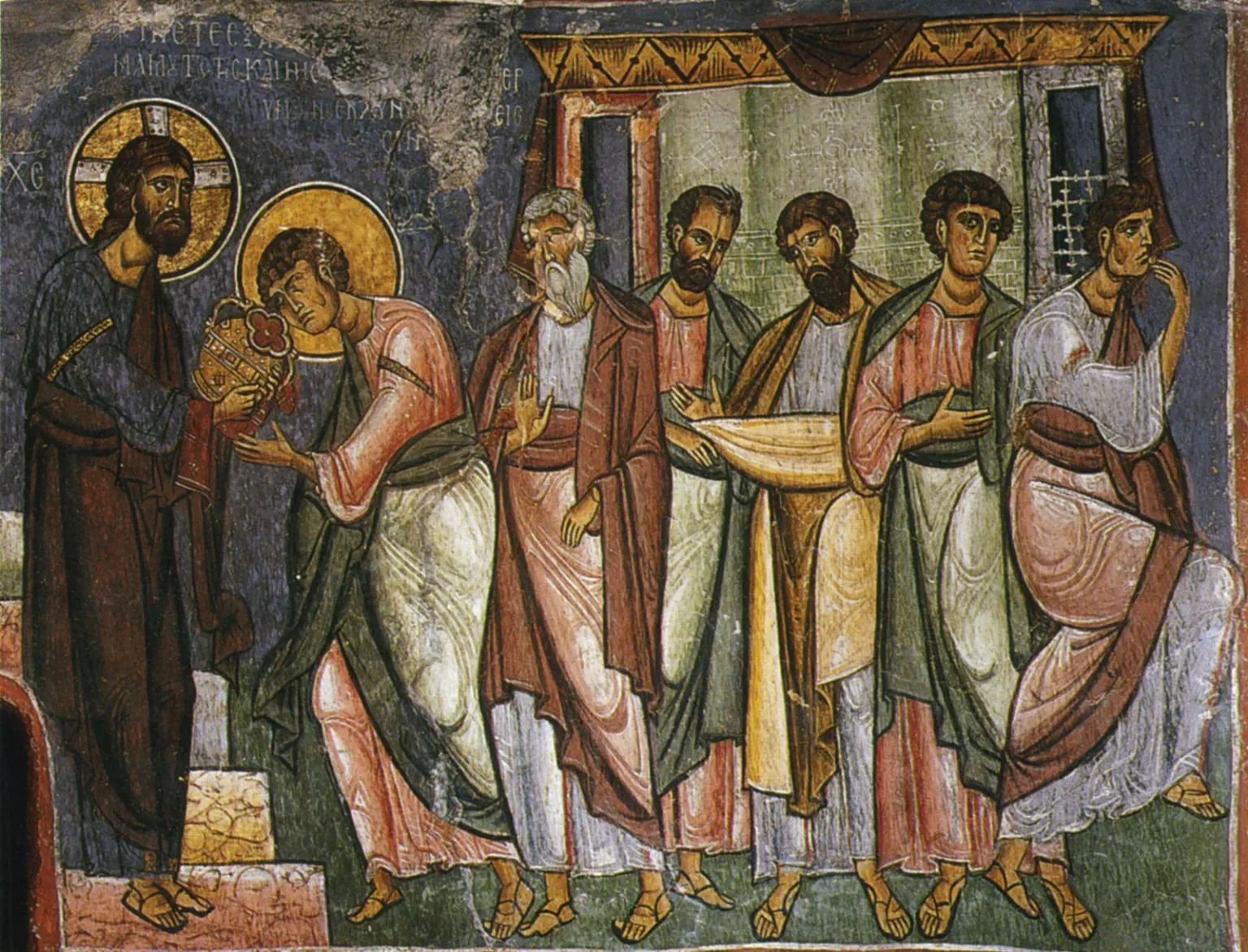
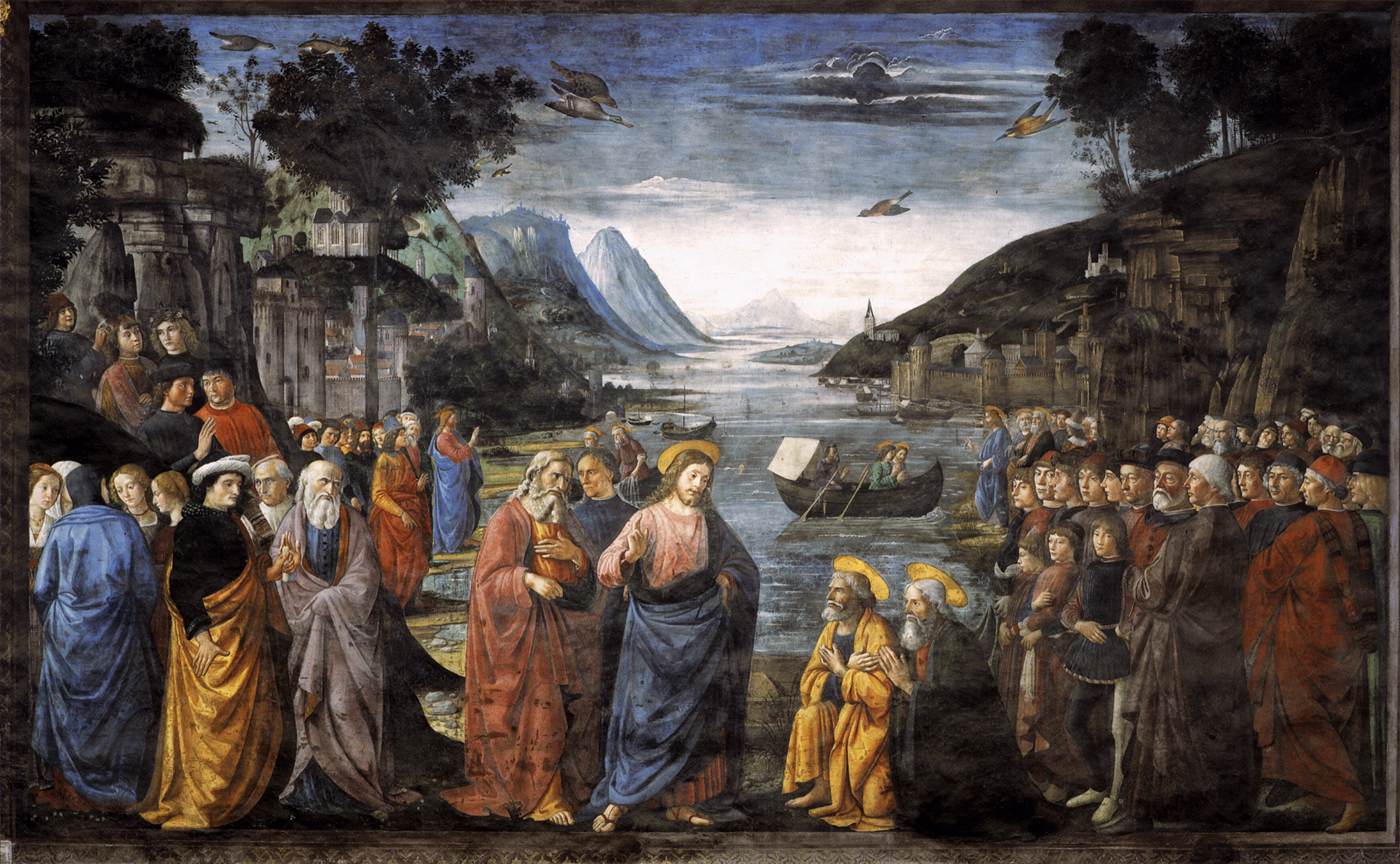
キリスト教の聖書の解釈とイスラム教のQurの」 �nic exegesis間の基本的な相違は心に留めておかれなければならない: キリスト教の聖書のinterpretatorは彼/彼女が彼または彼女自身のための適合を考えるので本質的にsensualist、経典を形成する。 例えば彼/彼女は(それらの反復的な章および詩が聖書に単に全然ないように)全く旧約聖書の食糧規則をとばすかもしれないしまたは投票によっての代りに使徒(行為1:26)の例の後で教会大学のための候補者の選択についてのscruplesをたくさん持たないそうではないかもしれない。 He/she may be a “Blue-Ribbonist” despite the Old Testament�s frequent craving for wine (e.g., Judges 9:13). It has to be born in mind that a gross over-stepping of the scripture of this sort is not possible for a Muslim.
In the following I shall briefly mention two outstanding and epoch-making Qur’�nic commentaries which, owing to their original work, had (and continue to have) enormous impact on directing the 20th century Qur’�nic scholarship.
TAFSIR AL-MANAR
By Muhammad Abduh (1849-1905) and his pupil Rashid Rida (1865-1935), which was published from Cairo (1954-1961) in 12 volumes, each approximately 500 pages, covers the 12/30th of the Qur’�n.
The uniqueness in Abduh�s approach springs from the fresh emphasis he puts on the Qur’�n as a source of spiritual and worldly guidance (”hidaya”). Abduh views the Qur’�n not primarily the source of law or dogmatics, or an occasion for philologists to display their ingenuity, but a book from which Muslims ought to derive guidance for this world and the next.
This approach of Abduh is illustrated by the following example: In Qur’�n, 2:58, God speaks to the Jews, under the leadership of Joshua, saying: “Enter this town, and eat of the plenty therein as ye wish; but enter the gate with humility�”
Abduh writes on this verse: “We shall not try to determine which town is meant in this verse since the Qur’�n did not try to determine this either. The importance of this verse does not depend on the exact geographical location of this town, but lies in the admonition to thankfulness towards the Almighty.” (Vol. I, p. 324)
Abduh�s approach to the Qur’�n is wholly rationalistic. He renders the Qur’�nic term �Furqan??? (Qur’�n, 3:3) as “reason by which men discern between right & wrong”.
In order to determine the meaning of a certain word or verse, Abduh makes ample use of its context rather than the relevant views expressed by previous scholars, and often gives a very satisfactory explanation. Likewise, Abduh does not recognize the relevance of the traditions, as was recognized by the previous scholars, in the Qur’�nic interpretation.[1]
TADABBUR-E-QUR�AN
By Ameen Ehsen Islahi (1904-1997, sub-continent), published in Lahore in 9 volumes.
This monumental commentary is indeed an original approach to the comprehension of the Qur’�n begun by Islahi�s teacher Hamid-ud-din Farahi (1863-1930, sub continent).
Islahi asserts that it�s incorrect to say that the Qur’�n is a disjointed jumble of revelations and successfully establishes that the Qur’�n possessed overall structural and thematic coherence (”nazm”).
He has presented conclusive evidence that the Qur’�n is divided into seven discrete groups. Each group has a distinct theme. Every group begins with one or more Meccan Surah and ends with one or more Medinan Surah. In each group, the Meccan Surahs always precede the Medinan ones. The relationship between the Meccan Surahs and Medinan Surahs of each group is that of the root of a tree and its branches. In every group, all the phases of the Prophet�s mission are depicted.
Two surahs of each group form a pair so that each member of the pair complements the other in various ways. Surah 1, however, is an exception to this pattern: it is an introduction to the whole of the Qur’�n as well as to the first group which begins with it. There are also some surahs which have a specific purpose and fall in this paired-surah scheme in a particular way.
Each surah has specific addressees and a central theme round which the contents of the surah revolve. The central theme highlights a particular aspect of the central theme of the group of which the particular surah is a part. Every surah has distinct subsections to mark thematic shifts, and every subsection is paragraphed to mark smaller shifts.
Following is a brief description of the seven Qur’�nic groups according to Islahi:
-
Group I [Surah 1 - Surah 5]
Central Theme: Islamic Law
Group II [Surah 6 � Surah 9]
Central Theme: The consequences of denying the Prophet(P) for the Mushrikin of Mecca
Group III [Surah 10 - Surah 24]
Central Theme: Glad tidings of the Prophet�s domination.
Group IV [Surah 25 - Surah 33]
Central Theme: Arguments on the Prophethood of Muhammad(P) and the requirements of faith in him
Group V [Surah 34 - Surah 49]
Central Theme: Arguments on the Oneness of God and the requirements of faith in it
Group VI [Surah 50 - Surah 66]
Central Theme: Arguments on the Day of Judgment and the requirements of faith in it
Group VII [Surah 67 - Surah 114]
Central Theme: Admonition to the Quraysh about their fate in the Herein and the Hereafter if they deny the Prophet(P)
Islahi�s way of understanding the Qur’�nic coherence is being studied and analyzed by scholars of the sub-continent and in England as well.[2]
References
[1] J. Jomier, Le Commentaire Coranique du Manar, Paris 1954
[2] Mustansir Mir, Coherence In The Qur’�n: A Study Of Islahi’s Concept Of Nazm In Tadabbur-i-Qur’an, (Indianapolis: American Trust Publications, 1986)
Ehsan said on 16 February 2008: