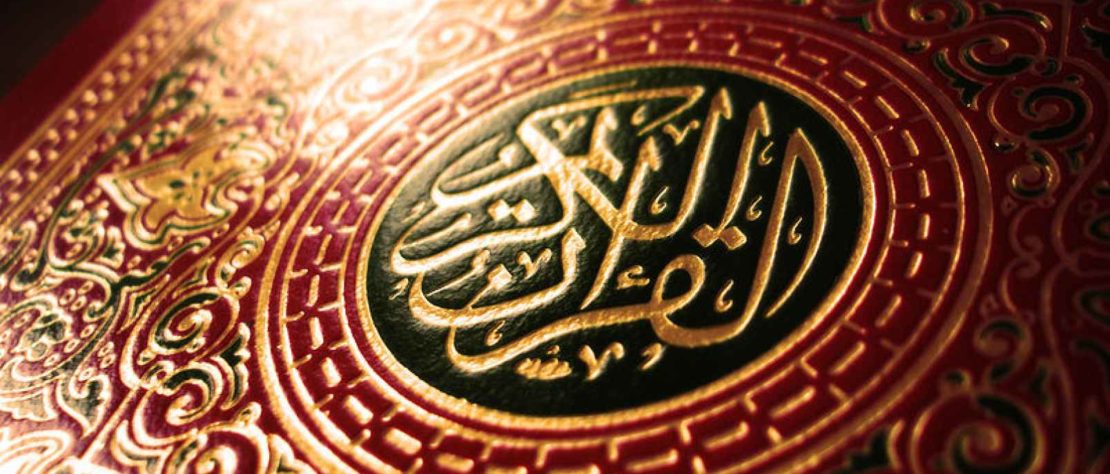
كتاب مراجعات من ابن [ورّق] "البحث ل [موهمّد] تاريخيّة", [ني]: 2000


20 سبتمبر - أيلول 2005

فريد [م.]. [دونّر]

البحث ل [موهمّد] تاريخيّة

[ميدّل ست] يدرس جمعية نشرة, حجم 35, رقم 1, فصل صيف 2001, [كمبريدج ونيفرستي] صحافة, [إيسّن] 0026-3184, [ب.]. 75

الدراسة من إسلام أصول, بما في ذلك الحياة [موهمّد], مشروع مشاكسة بشكل ملاحظ. يختلف طالبات مع تدريب رائعة بحدّة بين بنفسي على كيف أن يفهم هو. المظهر من حجم أنّ يدّعي أن يزوّد "خلفيّة كافية أن يضع المناقشات حاليّة, بين [رفيسونيست] و [ترديأيشنليستس] حول الأصول الإسلام, في سياقهم عقليّة" ([ب.]. 9) لذلك يوقن أن يجذب إشعار.

لسوء الحظّ, المجمعة, يعيّن فقط بالاسم مستعار "ابن [ورّق]", الذي أيضا كتب الحجم تجربة طويلة افتتاحيّة, [تريبلي] غيرمؤهّل أن يخدم كمرشدتنا في هذا مجال. "ابن [ورّق]" مثل المؤلفة غامضة بالتّساوي من الثاني تجربة, على المصادر, "ابن [روندي]" (ربّما واحدة وال نفسه فردة?) يفتقر ال [سبسليست ترينينغ] شديدة في دراسات [أربيك] أنّ فحسب استطاع نعتته (ه?) أن يقيّم بشكل مستقلّ المدارس مختلفة تفسير في هذا مجال. كشفت هذا عدم كفاية جانبا, مثلا, متناقضة يعالج من [متريلس] [أربيك], وبالحقيقة أنّ لا "ابن [ورّق]" ولا "ابن [روندي]" يسهم أيّ حجات أصليّة إلى هذا مناقشة.

أكثر سكون جدّيّة المجمعة محاباة خرقاء لمؤكّدة [رفيسونيست] نظريات (بشكل خاصّ أنّ من جون [ونسبروو]), [رسولتينغ ين] إنتقاء [أن-سدد] مواد تماما وتراجم أنّ يمثّل الشحن من الحجم. هذا يتضمّنون أعمال, في الأغلب معروفة, ب [إرنست] [رنن], [هنري] [لمّنس] (ترجمة [إينكلودينغ] كاملة من [مونوغرف] ه "[فتيما] والابنة [موهمّد]"), [ك.]. [ه.]. [بكر], آرثور [جفّري], [جوسف] [سكهشت], لورنس [إي.]. [كنرد], أندرو [ريبّين], [ج.]. [كورن] و [ي.]. [د.]. [نفو], [ف.]. [إ.]. [بترس], هربرت [برغ], و [غ.]. [ر.]. [هوتينغ]. كان أكثر من هذا معلمة مساهمة إلى المناقشة طويلة على الأصول الإسلام, بطالبات الذي تلقّى (تلقّيت) آراء قوّيّة حول هو وكان ملكت من يشبع سيطرة من الألغاز أوّليّة (خصوصا العربية) ومصادر.

"يسبّبه [إيب] [ورّق]" منحرفة, مهما, أن يغفل مساهمة دقيقة أنّ يطرح تحديات ل بعض [رفيسونيست] أفكار ب [ه.]. [موتزكي], [أو.]. [روبين], وكثير أخرى. This lopsided character makes The Quest for the Historical Muhammad a book that is likely to mislead many an unwary general reader.

Most problematic of all, however, is the compiler’s agenda, which is not scholarship, but anti-Islam polemic. The author of an earlier book entitled Why I Am Not a Muslim (1995), “Ibn Warraq” and his co-conspirator “Ibn al-Rawandi” detest anything that, to them, smacks of apologetic; for this reason they criticize harshly several noted authors for their ‘bad faith’ or ‘moral ambiguity.’

Yet this book is itself a monument to duplicity. The compiler never has the honesty or courage to divulge his identity, even though a list of contributors (pp. 551-54) gives a biographical sketch of all the other contributors who, unlike “Ibn Warraq” and “Ibn al-Rawandi”, are already well-known.

Far more serious is the fact that this book is religious polemic attempting to masquerade as scholarship. It is a collection of basically sound articles, framed by a seriously flawed introduction, and put in the service of anti-Islamic polemic dedicated to the proposition that Islam is a sham and that honest scholarship on Islam requires gratuitous rudeness to Muslim sensibilities.

By associating these articles with “Ibn Warraq’s” polemical agenda, The Quest for the Historical Muhammad will raise suspicions among some Muslims that all revisionist scholarship is motivated by such intolerance.

This is likely to make the future progress of sound historical scholarship on Islam’s origins harder, rather than easier. The publication of The Quest for the Historical Muhammad is, therefore, a most unfortunate event.

Fred M. Donner, University of Chicago.

Leave a Reply

You must be logged in to post a comment.