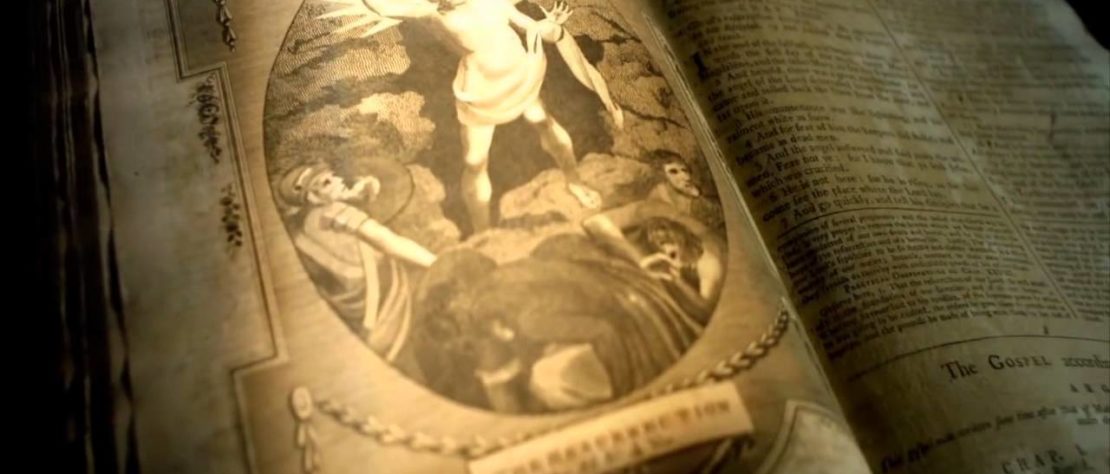
في هذا مادة, قد قارن أنا الحسابات من واحدة حادث بما أنّ يوصف في الأولى ثلاثة شاملة بشائر, ماتيو, علامة و [لوك]. القارئة سوفت حقّقت بعد مقارنة أنّ بثثت البشائر كان أصلا من خلال تقليد شفويّة. خلال كتابة, كان الكاتبات من البشائر قد غيّروا التقليد وفقا ل هم نزوات وأميال. يقارن النصوص النقاشة تالي يمكن برهنت أنّ اعتمد المؤلفات من البشائر على تقليد شفويّة. هذا تقليد, عندما كتبت هو كان, كان غيّرت. في البشارة العلامة, أفدت رجل أن يتلقّى سألت يسوع, "معلمة جيّدة, ماذا ينبغي أنا أتمّت أن يرث حياة دائمة?" يسوع [(ب)] ببساطة يجاب, "لماذا أنت تدعوني الخير? لا أحد جيّدة غير أنّ إلهة فحسب. أنت تعرف الأوامر: `أنت سوفت لن تقتل; لن يرتكب أنت سوفت حالة; لن يسرق أنت سوفت; لن يحمل أنت سوفت شاهدة زائفة; لن يسلب أنت سوفت; شرّفت ك أب وأم.' " أفدت هذا حادث أيضا في بشارة ماتيو. [لوك] يوافق مع علامة, غير أنّ في ماتيو غيّرت المحادثة تماما. في ماتيو, يخاطب الرجل يسوع [(ب)] بما أنّ "معلمة," و [إينستد وف] "معلمة جيّدة" في علامة و [لوك], في ماتيو نحن نرى "وثيق جيّدة." في ماتيو, أفدت الرجل أن يتلقّى قلت: "معلمة, ما وثيق جيّدة ينبغي أنا أتمّت أن يتلقّى حياة دائمة?" هذا يغيّر الإصدار في يسوع' جوابة من الجودة يسوع ([ب]) إلى جودة الوثيق: "لماذا أنت تسألني حول ماذا يكون جيّدة? هناك فقط واحدة الذي يكون جيّدة. …" (ماتيو 19:16 - 17) يعطي علامة و [لوك] أوصاف أيّ يوافق مع المفهوم [إيسلميك] من إلهة ويسوع, أنّ إلهة فحسب جيّدة ويسوع كان رسوله. غير أنّ, ماتيو استطاع لم يفكّر من يسوع ([ب]) يدعو إلهة "جيّدة," ولذلك, يغيّر هو التقليد مبكّرة.
فورا, يبدي هذا أيضا أنّ علامة كان استعمل تقليد مبكّرة أيّ لم يميّز يسوع بما أنّ يكون مقدّسة. يوافق [ألّ ث] ثلاثة بشائر شاملة أنّ يسوع [(ب)] ذهب إلى جون أن يكون عمّرت, [س ثت] يسوع' خطايا كنت عن صفح.
هذا في إتفاق مع ماذا نحن قد رأينا أعلاه: Jesus(P) considered God alone to be good and didn’t preach the Trinity. Luke and Mark mentions that Jesus (P) was baptized by John, but they did not mention any words between them. But to Matthew, this is inconceivable. Matthew could not even think of Jesus being baptized for the reason of his sins being forgiven. Therefore, he fabricates a conversation between John and Jesus (P): “John would have prevented [Jesus from being baptized], saying, ‘I need to be baptized by you, and do you come to me?’ But Jesus answered him, ‘Let it be so now, for it is proper for us in this way to fulfill all righteousness.’ Then [John] consented.” In Mark, we are told that: “And they crucified with him two bandits, one on his right and one on his left … . Those crucified with him also taunted him.” (Mark 15: 27, 32) This time Matthew agrees with Mark, both the bandits crucified with “Jesus” taunted him. But Luke could not even think that his “Savior” was crucified without any “saving act.” Therefore, he fabricates a conversation: “One of the criminals who were hanged there kept deriding him and saying, ‘Are you not the Messiah? Save yourself and us!’ But the other rebuked him, saying, ‘Do you not fear God… we are getting what we deserve for our deeds, but this man has done no wrong.’ Then he said, ‘remember me when you come into your kingdom. Truly I tell you, today you will be with me in Paradise’” (Luke 23:39-43) Luke has changed the bandit who taunted Jesus(P) as reported in Mark and Matthew into a “good guy.” Furthermore, this is definitely a fabrication because it says “Truly I tell you, today you will be with me in Paradise”. This means Jesus said that he would be in Paradise “today,” i.e. the day of his crucifixion. But, in the gospels we are also told that Jesus(P) didn’t go to Paradise when he was crucified according to his own words. Jesus said: “After three days I will rise again.” (Matthew 27:93) Through the gospel of Mark, we got to know that he went to heaven after the resurrection, after he was crucified. (Mark 16:19) This shows that Luke too thought like Matthew about Jesus(P). Both Matthew and Luke were corrupters of earlier tradition. It was Mark who reported the earlier tradition as it had reached him. And yes, an interesting question arises: If Jesus(P) did not go to heaven on the day he was crucified but he went to heaven after his resurrection, does this mean that Jesus(P) was not telling the truth on the cross to the bandit? In Mark, the last words of Jesus (P) are: “My God, my God, why have you forsaken me?” (Mark 15:34) Matthew agrees with Mark. But once again, Luke could not even think of Jesus (P) saying such words. Therefore, he completely changes Jesus’ last words, and made him say: “Father, into your hands I commend my spirit.” (Luke 23:46) All the three synoptic gospels tell the story of Jesus(P) going to his own hometown and preaching in the synagogue there. The people reject him, to which Jesus(P) reacts by saying that no prophet is honored or accepted except in his own hometown. Mark says that: “And he could do no deed of power [miracle] there, except that he laid his hand on a few sick people and cured them. And he was amazed at their unbelief” (Mark 6:5-6) Mark is clear, Jesus(P) could not do a miracle alone. But now, let’s see how both Matthew and Luke do not accept this. They could not even think that Jesus, “the son of God,” could not do any miracle. Therefore, Matthew changes “could not” to: “And he did not do any deeds of power there, because of their unbelief” (Matthew 13:58) Please note, “could not” has been changed to “did not.” And Luke once again fabricates words and attributes them to Jesus(P): “But the truth is, there were many widows in Israel [during famine] in the time of Elijah; yet Elijah was sent to none of them except to a widow at Zarephath in Sidon. There were many lepers in Israel in the time of the prophet Elisha, and none of them were cleansed except Namaan the Syrian.” (Luke 4:25-27) Thus, both Matthew and Luke had clearly changed “could not” to “did not.” Conclusions After the above discussion, does it mean that Mark’s gospel is the most authentic? Most assuredly not, because if it was highly authentic, then Matthew and Luke would not have needed to change the earlier tradition. These are examples of the corruption of Scriptures. The above discussion is enough to prove that the gospels is clearly of doubtful origin. Should we then place our very “salvation” on these texts? And only God knows best.
Subscribe
Subscribe Articles With
Bloglines, Google Reader, My MSN, Netvibes, Newsburst
Newsgator, Odeo, Pluck, Podnova, Rojo, My Yahoo!, Desktop Reader
Leave a Reply
You must be logged in to post a comment.