If you're new here, you may want to get regular updates via Ja esat jauna šeit, jūs varat saņemt regulārus atjauninājumus, izmantojot RSS feed RSS feed . . Thank you for visiting! Paldies par apmeklējot!

Mohd Elfie Nieshaem Juferi Mohd Elfie Nieshaem Juferi

The Christian missionaries have engaged in bitter polemics since the advent of Islam. Kristīgie misionāri ir iesaistīti rūgto polemikas kopš Advent islāmu. One of their common allegations is that they claim that in Sura' Al-Maiah (5):119, the Qur'an made a “mistake” in claiming that the Trinity consists of God, Viens no viņu kopējās apgalvojumus, ka viņi apgalvo, ka Sura "Al-Maiah (5): 119, Qur'an, kas" kļūda "apgalvot, ka Trinity sastāv no Dieva, Jesus Jēzus and Mary. un Mary. The said verse is as follows: Teica dzejolis ir šāds:

“And behold! "Un redzi! God will say: 'O Jesus the son of Mary! Dievs saka: "O Jēzus dēls Mary! Didst thou say unto men, 'Take me and my mother for two gods beside Allah' He will say: 'Glory to Thee! Didst tu teikt unto vīriešiem, "Ņem mani un manu māti divām dievu blakus Allah" Viņš teiks: "Gods lai Tevi! Never could I say what I had no right (to say). Nekad es varētu pateikt, kas man nebija tiesības (teikt). Had I said such a thing, Thou wouldst indeed have known it. Bija man teica tāda lieta, Tu wouldst patiešām bijis jāzina. Thou knowest what is in my heart, though I know not what is in Thine. Tu zini, kas ir manā sirdī, lai gan es nezinu kāds ir tavs. For Thou knowest in full all that is hidden.'” (Qur'an 5:116) Attiecībā Tu zini pilnīgi visu, kas ir paslēpta. "" (Korāns 5:116)

Upon careful observation, one would indeed see that God have indeed spoken the Truth: Pēc rūpīga novērošana, varētu patiešām redzēt, ka Dievs tiešām runā patiesība:

  • The mentioning of the “Trinity” appears in the Holy Qur'an in verses 4:171 and 5:73. Minēts par "Trinity" parādās Svētā Korāns, kas verses 4:171 un 5:73. In these two verses the name of Mary is not mentioned as “the third Person of the Holy Trinity”. Šajos divos verses Marijas vārds nav minēts kā "trešā Trīsvienības Persona".
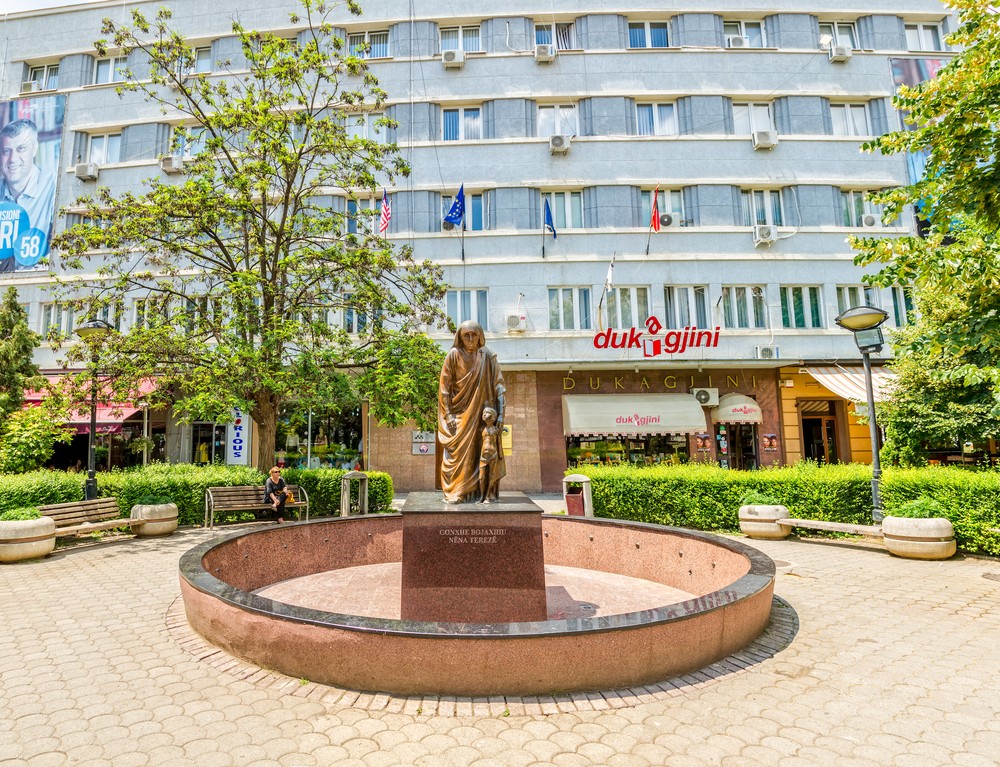
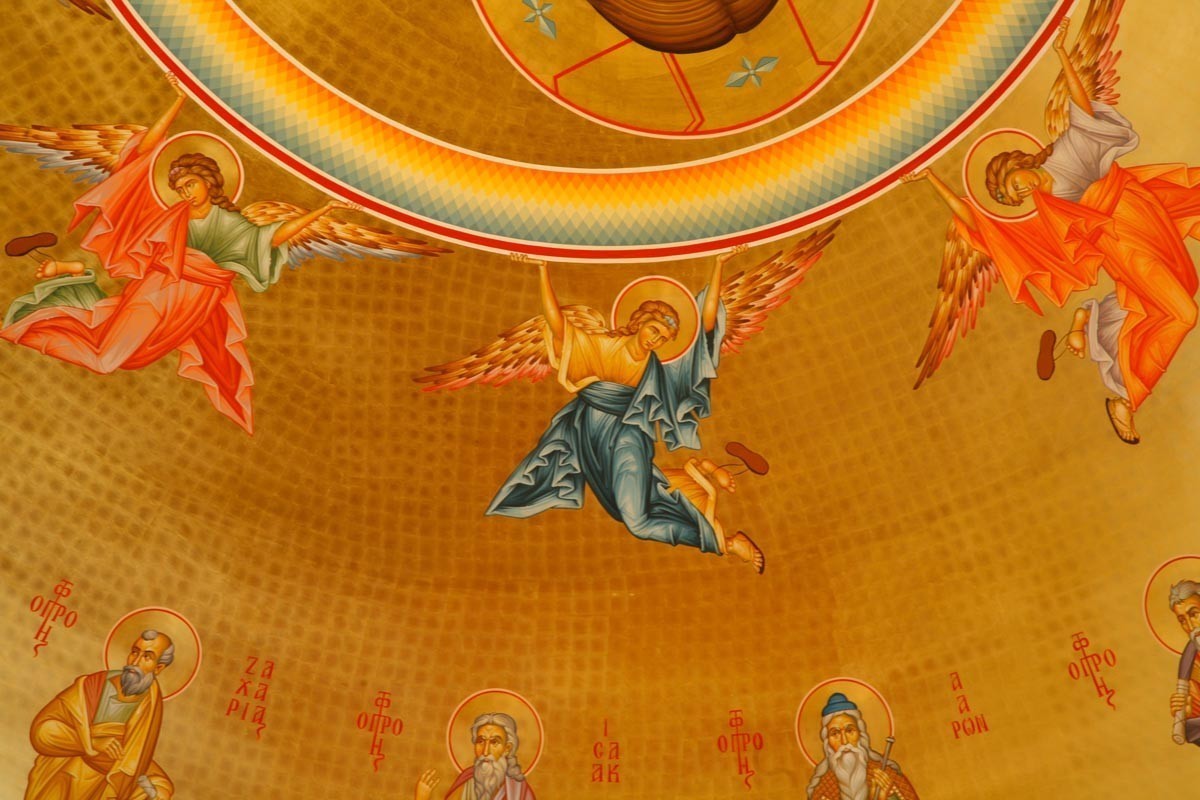
  • Catholic and Eastern Orthodox Churches can be found filled with carved or molten images and/or statues of Jesus Christ and his mother Mary, in various sizes and shapes. Katoļu un Austrumu pareizticīgo baznīcas var atrast pildīts ar kalto vai izkausēta attēlu un / vai statujas, Jēzus Kristus un viņa māte Marija, dažādos izmēros un formās.
  • Most of these statues or images are placed in the prominent places of the prayer halls of these Christian Churches for venerating and worshipping of these entities. Lielākā daļa no šiem statujas, vai attēli tiek ievietoti svarīgus vietās lūgšanu zāles šo kristiešu baznīcu par venerating un pielūdzot no šīm vienībām. One would also notice that the majority of the attending congregates would kneel, worship, venerate and pray before these images as their reverent rituals and inherited traditions. Viens arī paziņojums, ka apmeklēt congregates balsu mesties ceļos, pielūgt, godāt un lūdzieties, pirms šo to godbijīgs rituāli attēlus un mantoto tradīciju. Many devoted believers would place lighted candles in front of these statues or images before worshipping or paying their homage. Daudzi veltīts ticīgie būtu vieta izgaismotas sveces priekšā šos statujas vai attēlu, pirms pielūdzot vai maksājot to sumināšana.
  • These Catholic congregates who venerate Lord Jesus as their God and call Virgin Mary as the “Mother of God”, do form the bulk of the Christians community. Šie katoļu congregates kas godāt Kungu Jēzu kā savu Dievu un zvanu Virgin Mary kā "Māte Dieva", do Lielākā daļa kristiešu kopienai. It has been so since the inception of the Roman Catholic Church. Tas ir tik, kopš Romas katoļu baznīca. The Protestants, who separated from the Roman Catholics, nearly ten centuries after the advent of Islam, do not have the statues of Mother Mary in their Churches, although at one time Mary did play a pivotal role. Protestanti, kas atdalīta no Romas katoļi, gandrīz desmit gadsimtu pēc tam, kad Advent islāmu, nav statujas Māte Marija savos Baznīcas, lai gan vienlaikus Mary bija izšķiroša loma.
  • As for the Holy Ghost, the third person of the Holy Trinity, no Christian Church has so far instituted its venerating representation, image or semblance for their Churchgoers. Attiecībā uz Svēto Garu, trešās personas Svētā Trinity, ne kristiešu baznīca līdz šim ir izveidota tā venerating pārstāvība, attēlu vai līdzība to baznīcēni.

Under the heading MARY , we find the following information that supports the above argument. Pozīcijā MARY mēs atrast šādu informāciju, kas atbalsta uz iepriekšminēto, arguments.

Mary's exalted position also earned her the titles Mother of God and Coredemptrix, suggesting that she played an active role in the redemption of mankind along with her son. Marijas cildens stāvoklis arī nopelnījis savu nosaukumu Mātes Dieva un Coredemptrix, kas liecina, ka viņa bijusi aktīva loma izpirkšanas cilvēcei kopā ar dēlu. The Mother of God title was applied early in church Mātes Dieva nosaukums tika piemērota jau baznīcā history vēsture , based on the notion that Jesus was fully God as well as human. , Pamatojoties uz pieņēmumu, ka Jēzus bija pilnībā Dievs, kā arī cilvēku. This was established as a doctrine in the 4th century. Tas tika izveidots kā doktrīna, kas 4. Gadsimtā. In the Eastern churches this doctrine played a major devotional role and became a favorite subject for icon painters. Austrumu baznīcām šajā doktrīna bijusi liela dievbijīgs lomu un kļuva par iecienītāko tēmu ikonu gleznotājiem. During the Reformation era it was accepted by both Catholic and Protestant scholars, though Mary's role in Protestant theology has declined markedly since then.[1] Laikā Reformācijas laikmets pieņēma, gan katoļu un protestantu zinātnieki, gan Marijas loma protestantu teoloģijā ir ievērojami samazinājusies kopš tā laika [1].

It is clear that for all practical purpose and in reality, when the issue is of worshipping, venerating, deifying and/or idolizing is concerned, it is Mary – the theotokos (Mother of God), and not the Holy Ghost, which has that kind of rank and status. Ir skaidrs, ka visiem praktiskiem mērķiem, un patiesībā, ja jautājums ir par pielūgšanas, venerating, deifying un / vai idolizing pauž bažas, tā ir Mērija - theotokos (Mātes Dieva), un nav Svētais Gars, kas ir šo veida rangs un statusu. Briefly, in terms of veneration, the idols of Jesus and Mary are treated as deities. Īsumā, attiecībā uz cienība, Jēzus un Marijas elkiem uzskata par dievību. The Holy Ghost is not venerated as a deity in the manner that Jesus' and Mary's idols were treated. Svētais Gars nav venerated kā dievība tādā veidā, ka Jēzus un Marijas idols tika ārstēti. The quoted verse from the Holy Qur?an questions such Divine Rank and Status that have been assigned by the followers of Jesus to him and his mother. Citēto verse no Svētā Qur? Tādus jautājumus Dievišķā Rank un statusu, kas piešķirts ar Jēzus sekotājiem, lai viņam un viņa māte.

The quoted verse does not speak of the Church developing the enigmatic doctrine of Trinity in the fourth century. Citēto dzejolis nerunā par Baznīcas attīstību mīklains doktrīnu Trinity ceturtajā gadsimtā. It is in fact accepted that the doctrine of Trinity evolved and took its final shape nearly 350 years of CE. Tas faktiski piekrita, ka Trīsvienības doktrīnu attīstījušies un pieņēma savu galīgo formu gandrīz 350 gadus CE. Bart D. Ehrman observes that Bart D. Ehrman norāda, ka

Christianity Kristietība in the second and third centuries was in a remarkable state of flux. otrajā un trešajā gadsimtus bija ievērojama stāvoklī plūsmas. To be sure, at no point in its history has the religion constituted a monolith. Lai būtu pārliecināts, nevienā brīdī tās vēsturē, ir reliģija bija monolīta. But the diverse manifestations of its first three hundred years – whether in terms of social structures, religious practices, or ideologies – have never been replicated. Bet dažādu izpausmju pirmo trīs simti gadus - gan attiecībā uz sociālo struktūru, reliģisko praksi, vai ideoloģijas - nekad nav bijušas atkārtot.

Nowhere is this seen more clearly than in the realm of theology. Nekur tas ir redzams vēl skaidrāk nekā karaļvalsts teoloģiju. In the second and third centuries there were, of course, Christians who believed in only one God; others, however, claimed that there were two Gods; yet others subscribed to 30, or 365, or more. Otrajā un trešajā gadsimtā bija, protams, kristiešiem, kuri tic tikai vienam Dievam, citi, tomēr apgalvoja, ka ir divi Dievi, vēl citi pievienojās 30, 365 vai vairāk. Some Christians accepted the Hebrew Scriptures as a revelation of the one true God, the sacred possession of all believers; others claimed that the scriptures had been inspired by an evil deity. Daži kristieši pieņēma ivrita Scriptures kā atklāsme par vienu patiesu Dievu, svēto valdījumā visu ticīgo, citi apgalvoja, ka Svētie Raksti ir iedvesmojusi ļauno dievību. Some Christians believed that God had created the world and was soon going to redeem it; others said that God neither had created the world nor had ever had any dealings with it. Daži kristieši ticēja, ka Dievs radīja pasauli un drīz vien gatavojas atpirkt to; citi teica, ka Dievs ne radīja pasauli, nedz jebkad bijusi saskarsmē ar to. Some Christians believed that Christ was somehow both a man and God; others said that he was a man, but not God; others claimed that he was God but not a man; others insisted that he was a man who had been temporarily inhabited by God. Daži kristieši ticēja, ka Kristus bija kaut gan cilvēku un Dievu, citi teica, ka viņš bija cilvēks, bet ne Dievam, citi apgalvoja, ka viņš ir Dievs nevis cilvēks, citi apgalvoja, ka viņš bija cilvēks, kurš laiku bija apdzīvota ar Dievu . Some Christians believed that Christ's death had brought about the salvation of the world; others claimed that his death had no bearing on salvation; yet others alleged that he had never even died.[2] Daži kristieši ticēja, ka Kristus nāve bija celta par pasaules pestīšanu, citi apgalvoja, ka viņa nāve nebija nekādas ietekmes uz pestīšanu, bet citi apgalvoja, ka viņš nekad nav pat miris. [2]

So, in conclusion, there is no point calling the modern-day Trinitarian Christianity as 'true' Christianity and all others as 'false' since the evolution of this doctrine itself is very late. Tātad, secinājums, nav jēgas aicināt mūsdienu trinitārā kristietības kā "patiess", kristietības un visus pārējos, kā "viltus", jo šī doktrīna attīstība pati par sevi ir ļoti vēlu. The early Christianity themselves had bizarre beliefs about their doctrine as well as their Scriptures. Agrīnās kristietības paši bija savāda pārliecību par savām doktrīna, kā arī to Rakstus.

And only God knows best. Un tikai Dievs zina vislabāk.

References Atsauces

[1] Compton's Interactive Encyclopedia (1995), under the heading “Mary” [1] Compton's Interactive Encyclopedia (1995), ar nosaukumu "Mary"

[2] Bart D. Ehrman, The Orthodox Corruption Of Scripture: The Effect Of Early Christological Controversies On The Text Of The New Testament , 1993, Oxford University Press, London & New York, p. [2] Bart D. Ehrman, pareizticīgo korupciju Bībele: ietekme Agrīnās Christological Controversies Par teksts Jaunā Derība, 1993, Oxford University Press, London & New York, lpp 3 3

  • Digg
  • Facebook
  • Google Bookmarks
  • LinkedIn
  • del.icio.us
  • MySpace
  • Live
  • NewsVine
  • Propeller
  • Reddit
  • BlinkList
  • Sphinn
  • StumbleUpon
  • SphereIt
  • Technorati
  • Tumblr
  • Fark
  • Yahoo! Buzz
  • Posterous
  • Twitter
  1. shadowofears says: shadowofears saka:

    The obvious conclusion is that for all practical purpose and in reality, when the issue is of Worshipping, Venerating, Deifying and/or Idolizing, it is Mary – the “Mother of God” and not the Holy Ghost has that kind of rank and status. Ir jāsecina, ka visiem praktiskiem mērķiem, un patiesībā, ja jautājums ir Worshipping, Venerating, Deifying un / vai Idolizing ir Mary - "Māte Dieva", un nav Svētais Gars, ir šāda veida ranga un statusa . Briefly, the historical figures of Jesus and Mary are venerated as Deities. Īsumā, vēsturisko skaitļi Jēzus un Marija ir venerated kā dievības. The Holy Ghost is not venerated as a Deity. Svētais Gars nav venerated kā dievība.

    The quoted verse from the Holy Qur'an questions such Divine Ranks and Status that have been assigned by the followers of Jesus to him and his mother. Citēto verse no Svētā Korāns tādus jautājumus Dievišķā Ranks un statusu, kas piešķirts ar Jēzus sekotājiem, lai viņam un viņa māte. The verse does not speak of the Church developed enigmatic Doctrine of Trinity. Dzejolis nerunā par Baznīcas attīstīto mīklains doktrīna no Trīsvienības.

    Theologically speaking, the concept of Holy Ghost as 'Filioque'(“a double procession”) was added to the Original Doctrine much later. Teoloģiski runājot, jēdziens Svētā Gara kā "Filioque" ("dubultā gājiens"), tika pievienota Original doktrīna daudz vēlāk. As taught by the Greek theologians and advocated by St. Augustine, it simply makes the Holy Ghost a “go-between” communications or things that proceed from the Father and is received by an individual via Jesus Christ. Kā mācīja Grieķijas teologi un ko atbalsta St Augustine, tā vienkārši padara Svēto Garu "go-starp" sakariem vai lietas, kas nāk no Tēva un saņem individuālu caur Jēzu Kristu. One may argue that since the Holy Ghost emanates from God the Father, it is also God. Var iebilst, ka tā Svētā Gara izplūst no Dieva Tēva, tas ir arī Dievs. In reality, this would only be possible if there was a “total emanation” (100% transfer). Patiesībā tas būtu iespējams tikai tad, ja tur bija "pilnīga varas izpausmes" (100% pārskaitījumu). If that be the case, then the Primary Source has either annihilated Himself (Itself) or has produced a Clone. Ja tas tā būtu, tad galvenais avots ir vai nu iznīcināts pats (pati) vai ir ražoti Klons. God the Father still exists and Christians with their Trinitarian Beliefs yet claim God is One. Dievs Tēvs joprojām pastāv, un kristieši ar to trinitārā ticējumi tomēr pieprasīt Dievs ir viens.

    During his ministry, Jesus Christ had taught in very explicit language to worship the “Father in Heaven” (see Matthew 6:5-13). Laikā viņa kalpošanu, Jēzus Kristus bija mācījis ļoti skaidru valodu, lai pielūgt "Tēvs Debesīs" (skat. Mateja 6:5-13). Jesus never ever taught his followers to make images of him and/or his mother and then venerate either of them. Jēzus nekad mācīja savus sekotājus, lai attēlus viņu un / vai viņa māte, un pēc tam godāt kāda no tiem. In this regards, the Protestants consider themselves a step ahead and reformed than their counterparts. Šajā saistībā, protestanti sevi uzskata par soli uz priekšu un jāreformē nekā to līdzinieki.

    The quoted verse from the Holy Qur'an is a direct challenge to those who make the graven images of Jesus and Mother Mary. Citēto verse no Svētā Korāns ir tiešs izaicinājums tiem, kas padara graven attēli Jēzus un māte Marija. The Almighty God in the Second of the Ten Commandments also warns mankind against making of graven images and worshipping them. Visuvarenais Dievs Otrā Desmit baušļi arī brīdina cilvēci pret izgatavošana graven attēlus un godinot viņus. (See Exodus 20:4). (Skatīt Exodus 20:4).

    Leave a Reply Atstāj atbildi

    You must be Jums jābūt logged in pieteicies to post a comment. lai ievietotu komentārus.