Extractos del “de orígenes nuevo testamento” por George M. Lamsa


15 de octubre de 2005

Yishan Jufu

Los viejos manuscritos de Syriac de los cuatro evangelios1

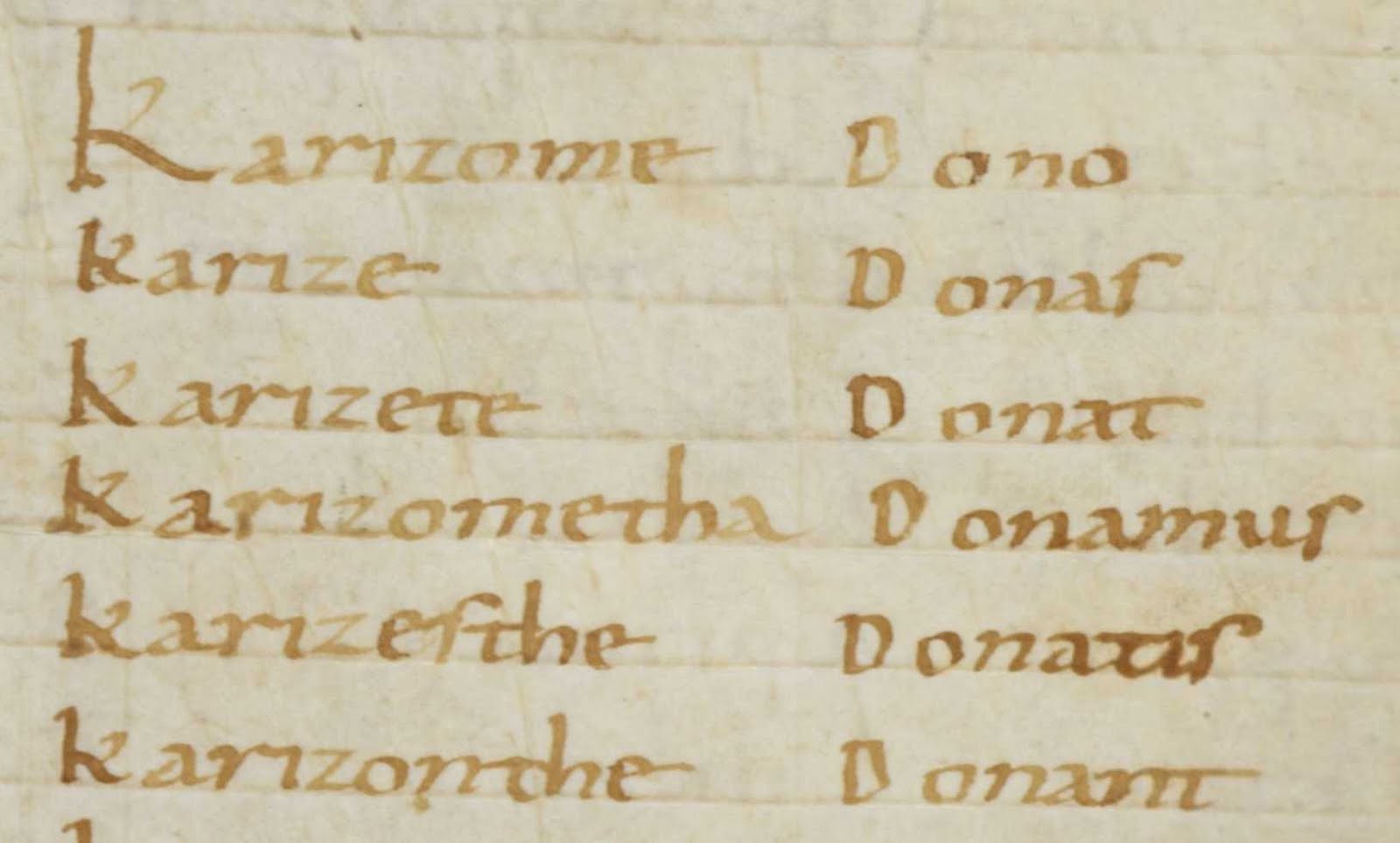
Los manuscritos de “viejo Syriac” de los cuatro evangelios conocidos como el Sinaitic Palimpsest, descubierto por la señora. Agnes Lewis en el convenio del St. A los Monks forjó a Catherine en el montaje Sinaí en 1892, desafortunadamente, deliberadamente, antes de que fuera vendido a la señora. Lewis y sus compañeros. Hicieron un agujero en la fecha del manuscrito, así al parecer aumentando su edad en 900 años. El trabajo fue acabado realmente en 1599 A.D. Los eruditos ingleses que lo examinaron primero, colocados su fecha en fecha 697 A.D. Entonces, no siendo seguros, hicieron una segunda inspección, y asignado a ella una fecha más última, en 778 A.D. El Dr. Burkitt (entonces estudiante joven), a la hora de su descubrimiento, pensó que el agujero en la fecha era natural, es decir, en la piel cuando estaba fechado. Él no pudo realizar que ningún escribano responsable fecharía un manuscrito cerca de un agujero a fin de dejar al lector en duda en cuanto a la fecha exacta.

El error antedicho en fecha fue descubierto recientemente por el escritor, después de examinar varios otros manuscritos del Cuatro-Evangelio que fueron traídos a América de Cercano Oriente. Todos los dueños de estos manuscritos habían utilizado la misma negligencia. Habían hecho que aparece a partir de las fechas mutiladas que los manuscritos eran mil años más viejos que ellos estaban realmente. Uno de estos manuscritos está en el seminario teológico de la unión en Nueva York, otro está en Harvard, y otro está en Siria. “Palimpsest” significa la escritura doble, o un excedente que escribe el otro. El superwriting en Aramaic, en la vitela del Sinaitic supuesto, era la historia del martyrology. Una de las historias es la de Papá Noel Augenia, creído para ser un europeo Santo nunca oído hablar en el este. El libro fue introducido evidentemente por los misionarios católicos después de la unión de los caldeos con la iglesia de Roma en el décimosexto siglo. El trabajo subyacente el superwriting es el de un estudiante que copió los evangelios para la caligrafía. No layman or priest in the East would destroy a sacred text of the Four Gospels just to write a history of the Saints. Such an act would be considered sacrilegious. Other palimpsest texts of this nature, including the so-called Curetonian, are of late origin and are not authentic. They were never used by the Christian of the Church of the East.

How To Ascertain An Original? Aramaic Words Mistranslated2

The following samples will show how the translators of the New Testament into Greek misunderstood some of the Aramaic words and idioms:

    raka (raca), “spitting”, in Matthew 5:22, is left untranslated.
    oraken hoaw beapohe, “and they spat on his face” (Mark 15:19).
    neshtvon, “worthy”, in Matthew 18:19, is rendered sumphonesosin, confusing it with the Aramaic word methawon, “agree” (cf. Matt. 5:25)
    khaneptha, “heathen”, in Mark 7:26, is translated into the Greek version, ellenis, “Greeks”. The Aramaic word for “Greeks” is yonaye. The Eastern text reads as “a heathen from Syria.”

Mistakes of Biblical Translations3

The following samples will show how the translators of the New Testament into Greek misunderstood some of the Aramaic words and idioms.

    meshtamlena, “will be through”, in Luke 13:32, is rendered teleioumai, “will be perfected.”
    esaor, “to work” (spiritual work), in Luke 13:33, is translated pporeuesthai, “to walk.” The Eastern text reads, “But, I must do my work today and tomorrow.”
    rokha dekhorhana, “rheumatism”, in Luke 13:11, is rendered pneuma, “spirit.” The Aramaic text reads, “Who was afflicted with rheumatism for eighteen years; and was bent down and could never straighten herself at all.”
    breh, “his son”, in Luke 14:5, is rendered into Greek, whios, “an ass.” The Aramaic text reads, “His son or his ox.”
    ammey, “Gentiles”, in John 12:20, is rendered ellenes, “Greeks.”
    eteh damshikha, “the Church of Christ”, in Acts 20:28, is changed to ekklesian tou theou, “the Church of God.” It reads as, “The Church of God, which he has purchased with his own blood.” The Eastern text reads, “The Church of Christ which he has purchased with his own blood.” During the apostolic age, Jesus was called “Our Lord, or Christ”. The apostles being Semites, could not have thought of God as having blood.
    rashiay, “wicked”, in Romans 5:7, is rendered dikaiou, “just man”. The Aramaic text reads, “Hardly would any man die for the sake of the wicked; but for the sake of the good, one might be willing to die.” Christ died for the sake of the wicked (Romans 5:6-8)

  1. George M. Lamsa, New Testament Origins, chapter XXI [back]
  2. Ibid., chapter XXII [back]
  3. Ibid., pp. 92-93 [back]

One Response to “Excerpts From “New Testament Origins” by George M. Lamsa”

  1. shadowofears said on 31 December 2006:

    It is a misconfusion in Muslims especially that modern day Christians are followers of Jesus Christ(P.B.U.H) but instead they are followers of Paul.

Leave a Reply

You must be logged in to post a comment.