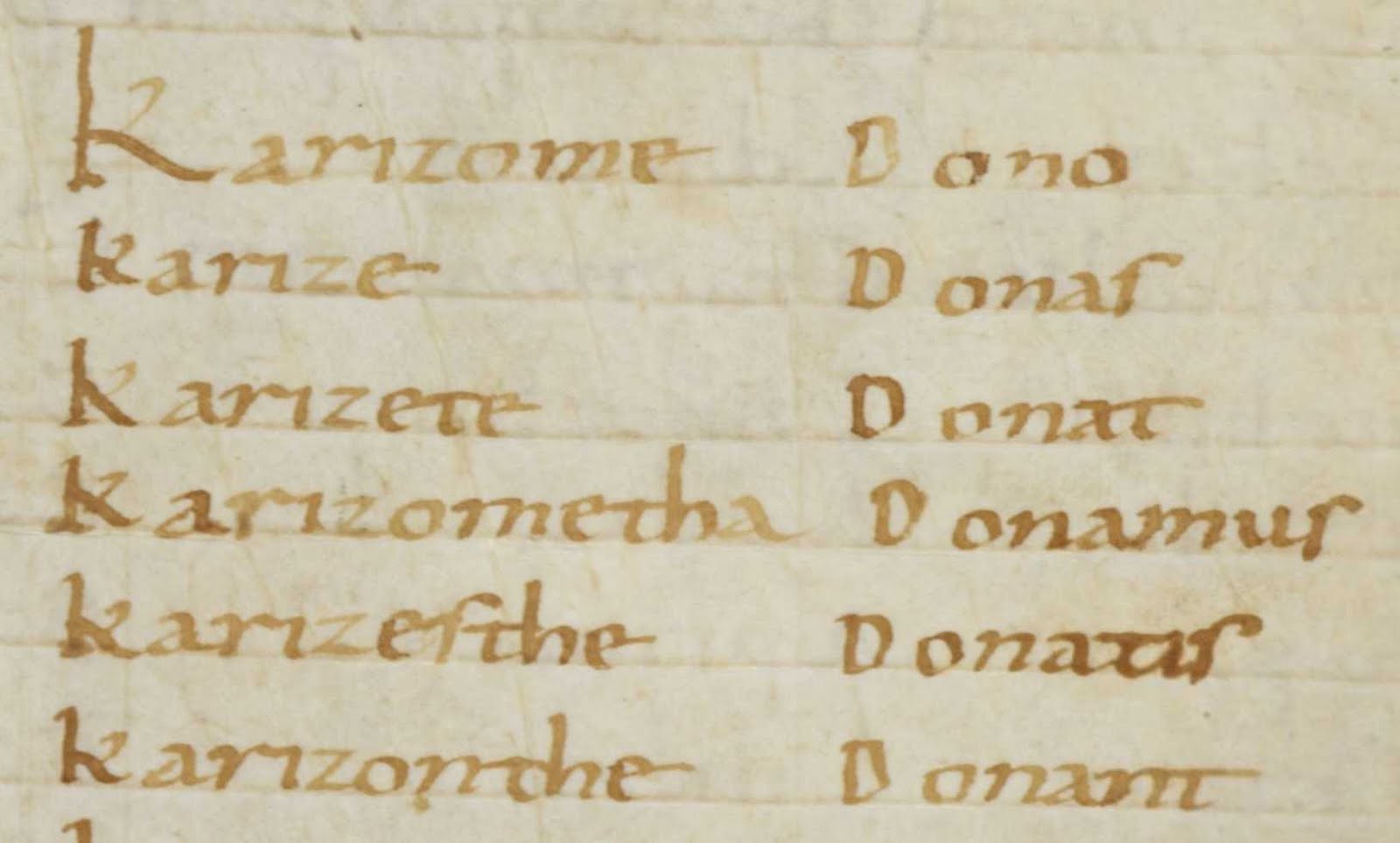
4°³ÀÇ º¹À½ÀÇ Syriac ¿À·¡µÈ ¿ø°í1 ¿©»ç°¡ ¹ß°ßÇÏ´Â Sinaitic Palimpsest·Î ¾Ë·ÁÁ® ÀÖ´Â 4°³ÀÇ º¹À½ÀÇ "¿À·¡µÈ Syriac" ¿ø°í. St.ÀÇ ¾à¼Ó¿¡ ÀÖ´Â Agnes ·çÀ̽º 1892³â¿¡ ½Ã³»»ê¿¡ Catherine´Â ¼öµµ»ç¿¡ ÀÇÇØ, ºÒ¿îÇÏ°Ô ¿©»ç¿¡°Ô ÆÇ¸ÅµÇ±â Àü¿¡, ½ÅÁßÇÏ°Ô À§Á¶µÇ¾ú´Ù. ·çÀ̽º¿Í ±×³àÀÇ µ¿ÇàÀÚ. ±×µéÀº ¿ø°íÀÇ ³¯Â¥¿¡ ÀÖ´Â ±¸¸ÛÀ» ¸¸µé¾î, µû¶ó¼ 900 ³â±îÁö ¸í¹éÇÏ°Ô ±×°ÍÀÇ ³ªÀ̸¦ Áõ°¡½ÃŲ. ÀÏÀº 1599 A.D.¿¡¼ ½ÇÁ¦·Î ³¡³µ´Ù. ±×°ÍÀ» ù°·Î ½ÃÇèÇÑ 697 A.D. ÇöÀç·Î µÎ´Â ¿µ±¹ ÇÐÀÚ ±×°ÍÀÇ ³¯Â¥. ±× ÈÄ¿¡, È®½ÇÇÏÁö ¾Ê¾Æ¼, ±×µéÀº µÎ¹øÂ° °Ë»ç¸¦, Ãֽг¯Â¥ 778 A.D.¿¡ ±×°Í ÇÒ´çÇØ, ¸¸µé¾ú´Ù. ¹Ú»ç. ³¯Â¥¸¦ ±âÀÔÇÒ ¶§ ³¯Â¥¿¡ ÀÖ´Â ±¸¸ÛÀÌ ÇǺο¡¼ ÀÚ¿¬Àû, i.e, À̾ú´Ù°í Burkitt (±× ÈÄ¿¡ ÀþÀº Çлý)´Â, ±×°ÍÀÇ ¹ß°ßÀÇ ¶§¿¡, »ý°¢Çß´Ù. ±×´Â Á¤È®ÇÑ ³¯Â¥¿¡ °üÇØ¼´Â ÀÇȤ¿¡ ÀÖ´Â µ¶ÀÚ¸¦ ³Ö¾îµÎ±â À§ÇÏ¿© Ã¥ÀÓÀÖ´Â Çʱâ»ç°¡ ±¸¸ÛÀÇ °¡±îÀÌ¿¡ ¿ø°í¸¦ ³¯Â¥¸¦ ±âÀÔÇÏÁö ¾ÊÀ» °ÍÀ̶ó´Â Á¡À» ±ú´ÝÁö ¸øÇß´Ù. ³¯Â¥¿¡ ÀÖ´Â »ó¼úÇÏ´Â °ú½ÇÀº ÀÛ°¡¿¡ ÀÇÇØ ±Ùµ¿¿¡¼ ¹Ì±¹¿¡ ÁÖ¾îÁø ´Ù¸¥ ¸î¸î 4 º¹À½ ¿ø°í¸¦ ½ÃÇèÇÑ ÈÄ¿¡ ÃÖ±Ù¿¡, ¹ß°ßµÇ¾ú´Ù. ÀÌ ¿ø°íÀÇ ¸ðµç ¼ÒÀ¯ÀÚ´Â µ¿ÀÏÇÑ ºÎ´ç Ä¡·á¸¦ »ç¿ëÇß¾ú´Ù. ±×µéÀº Àý´ÜµÈ ³¯Â¥¿¡°Ô¼ ¿ø°í°¡ õ »ì À̾ú´Ù ±×°ÍÀ» º¸´Ù´Â ½ÇÁ¦·Î À̾ú´Ù ³ªÅ¸³. ÀÌ ¿ø°íÀÇ ÇѰ³´Â ´º¿å¿¡ ÀÖ´Â Á¶ÇÕ ½ÅÇб³¿¡ ÀÖ´Ù, ¶Ç ´Ù¸¥ ÇѰ³´Â ÇϹöµå¿¡ ÀÖ°í, ¶Ç ´Ù¸¥ ÇѰ³´Â ½Ã¸®¾Æ¿¡ ÀÖ´Ù. "Palimpsest"´Â µÎ ¹è ¾²±â, ¶Ç´Â 1°³ÀÇ ¾²´Â Á¤»óÀ» ´Ù¸¥ »ç¶÷ ÀǹÌÇÑ´Ù. ¼ÒÀ§ SinaiticÀÇ °í±Þ ÇÇÁö¿¡ ¾Æ¶÷¾î¿¡¼ superwriting´Â, martyrologyÀÇ À̾߱âÀ̾ú´Ù. À̾߱âÀÇ ÇѰ³´Â »êŸŬ·Î½º AugeniaÀÇ Àú°ÍÀÌ, °áÄÚ µ¿ºÎ¿¡¼ ÀüÇØ µé·ÁÁø À¯·´ ¼ºÀÚÀ̱â À§ÇÏ¿© »ý°¢ÇØ ¾Æ´Ï´Ù. Ã¥Àº ¿¿©¼¸ ¹øÂ° ¼¼±â¿¡ ÀÖ´Â ·Î¸¶ÀÇ ±³È¸¸¦ °¡Áø Ä®µ¥¾ÆÀÎÀÇ Á¶ÇÕ ÈÄ¿¡ õÁÖ±³ ¼±±³»ç¿¡ ÀÇÇØ ºÐ¸íÇÏ°Ô ¼Ò°³µÇ¾ú´Ù.
superwriting¸¦ ¹Ø¿¡ ÀÖ´Â ÀÏÀº ¼¹ýÀ» À§ÇÑ º¹À½À» º£³¤ ÇлýÀÇ Àú°ÍÀÌ´Ù. No layman or priest in the East would destroy a sacred text of the Four Gospels just to write a history of the Saints. Such an act would be considered sacrilegious. Other palimpsest texts of this nature, including the so-called Curetonian, are of late origin and are not authentic. They were never used by the Christian of the Church of the East. How To Ascertain An Original? Aramaic Words Mistranslated2 The following samples will show how the translators of the New Testament into Greek misunderstood some of the Aramaic words and idioms: Mistakes of Biblical Translations3 The following samples will show how the translators of the New Testament into Greek misunderstood some of the Aramaic words and idioms.
raka (raca), ¡°spitting¡±, in Matthew 5:22, is left untranslated.
oraken hoaw beapohe, ¡°and they spat on his face¡± (Mark 15:19).
neshtvon, ¡°worthy¡±, in Matthew 18:19, is rendered sumphonesosin, confusing it with the Aramaic word methawon, ¡°agree¡± (cf. Matt. 5:25)
khaneptha, ¡°heathen¡±, in Mark 7:26, is translated into the Greek version, ellenis, ¡°Greeks¡±. The Aramaic word for ¡°Greeks¡± is yonaye. The Eastern text reads as ¡°a heathen from Syria.¡±
meshtamlena, ¡°will be through¡±, in Luke 13:32, is rendered teleioumai, ¡°will be perfected.¡±
esaor, ¡°to work¡± (spiritual work), in Luke 13:33, is translated pporeuesthai, ¡°to walk.¡± The Eastern text reads, ¡°But, I must do my work today and tomorrow.¡±
rokha dekhorhana, ¡°rheumatism¡±, in Luke 13:11, is rendered pneuma, ¡°spirit.¡± The Aramaic text reads, ¡°Who was afflicted with rheumatism for eighteen years; and was bent down and could never straighten herself at all.¡±
breh, ¡°his son¡±, in Luke 14:5, is rendered into Greek, whios, ¡°an ass.¡± The Aramaic text reads, ¡°His son or his ox.¡±
ammey, ¡°Gentiles¡±, in John 12:20, is rendered ellenes, ¡°Greeks.¡±
eteh damshikha, ¡°the Church of Christ¡±, in Acts 20:28, is changed to ekklesian tou theou, ¡°the Church of God.¡± It reads as, ¡°The Church of God, which he has purchased with his own blood.¡± The Eastern text reads, ¡°The Church of Christ which he has purchased with his own blood.¡± During the apostolic age, Jesus was called ¡°Our Lord, or Christ¡±. The apostles being Semites, could not have thought of God as having blood.
rashiay, ¡°wicked¡±, in Romans 5:7, is rendered dikaiou, ¡°just man¡±. The Aramaic text reads, ¡°Hardly would any man die for the sake of the wicked; but for the sake of the good, one might be willing to die.¡± Christ died for the sake of the wicked (Romans 5:6-8)
Subscribe
Subscribe Articles With
Bloglines, Google Reader, My MSN, Netvibes, Newsburst
Newsgator, Odeo, Pluck, Podnova, Rojo, My Yahoo!, Desktop Reader
shadowofears said on 31 December 2006:
It is a misconfusion in Muslims especially that modern day Christians are followers of Jesus Christ(P.B.U.H) but instead they are followers of Paul.