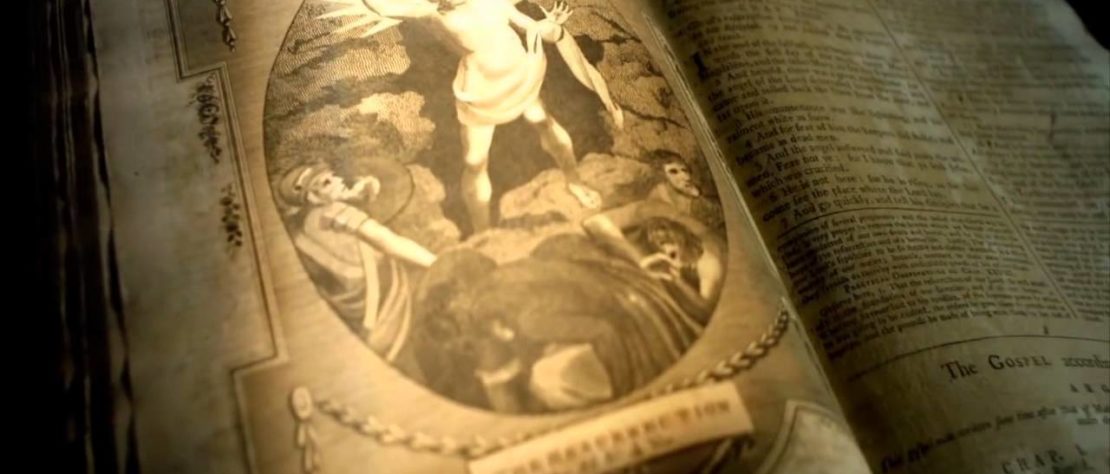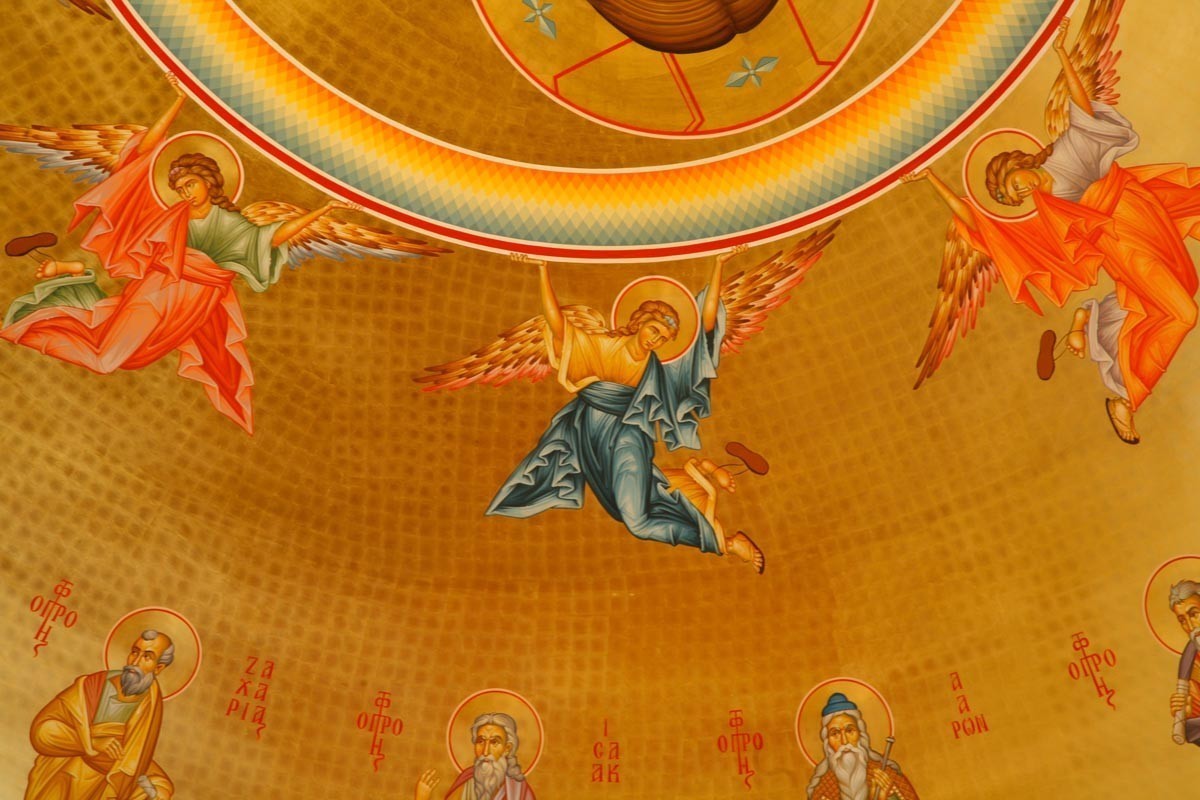
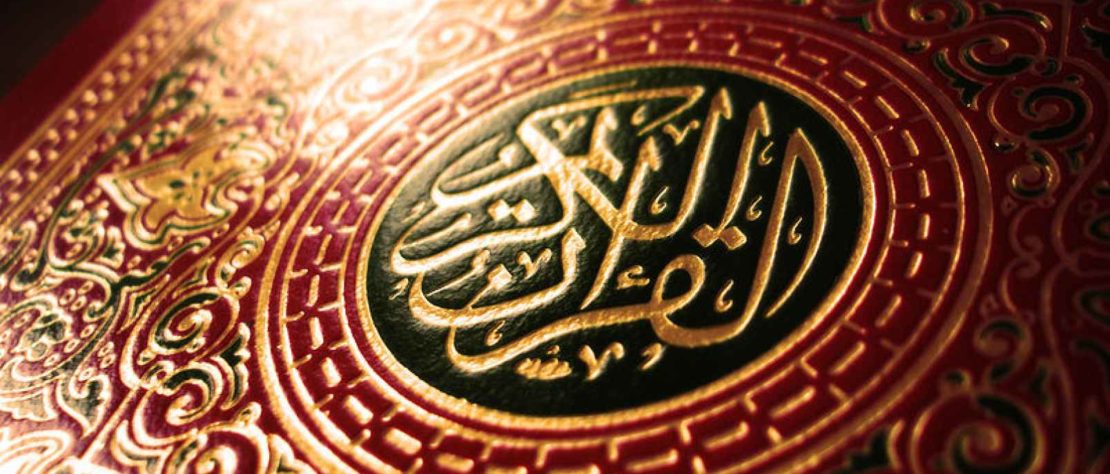
Extrait de `Abdur Rahman I. Doi, Shariah la loi islamique, pp. 134-136. Éditeurs de Taha. ISBN 0-907461-38-7 1984, réimpression 1997. Compilé près Cheik d'Usman Dans l'Islam, les « gens du livre » sont les juifs et les chrétiennes, ceux qui croient en livres d'Allah comme Taurat et Injil indiqué aux prophètes Musa (P) et Isa (P) respectivement. Mariage avec des femmes des personnes du livre si [sic] permis dans l'Islam selon l'injonction suivante dans le Qur' : « Ce jour sont toutes les choses bonnes et pur rendu légal à toi. La nourriture des personnes du livre est légale à toi et vôtre est légale à elles. Légales à toi dans le mariage sont non seulement les femmes chastes qui sont des croyants, mais les femmes chastes parmi les personnes du livre indiqué avant votre temps, quand vous leur donnez leurs douaires de dû, et désirent la chasteté et pas l'obscénité ni le secret intrigue »1 Il y a un consensus de l'opinion de l'Ulama d'Al-Sunnah Wal-Jama d'Ahl' oh ce mariage avec des juifs et des femmes chrétiennes est autorisées de même que pratiquent des compagnons du prophète (R) (sahabah) comme Uthman, Talha, Ibn Abbas, Hudhaifah et leurs disciples (tabi' un) comme Al-Musayyab de casier de Saad, ledit casier Jubair, Al-Hasan, Mujahid, Tawus, Akramah et d'autres. Malgré pratiquez du Sahabah, et le Tabi' un, casier Umar (R) d'Abdullah était de l'opinion qu'on ne devrait pas marier un juif ou d'une femme chrétienne. Il avait l'habitude de dire : « Allah a interdit de marier des polytheists, et je ne comprends rien autre qu'un plus grand polytheism quand une femme dit que son seigneur est Isa (P) qui est un domestique des domestiques d'Allah. »2 Bien qu'il y ait des exemples du Sahabah pieux et de leurs disciples (tabi' un) qui a marié Kitabiyyah, on doit prendre assez d'attention avant de contracter de tels mariages. Le Sahabah a eu les caractères exemplaires et leurs vies étaient pleines de la droiture et de la piété (taqwah
). After marrying such women who followed different religions and celebrated different festivals, they knew how to keep them under proper control so that their children were not influenced by their mothers. There is not a single example of the Sahabah or the Tabi’un whose children ever transgressed from the limits of Allah or changed over to the mother’s religion. Therefore, marriage with such ladies is permitted but is generally discouraged as Makruh. I have seen in many such marriages the food problems, when the mother even at times brings forbidden food and children partake of it. Likewise, she would sip wine as part of her religious ritual, and the habit slowly finds its way into the house. In some houses, I have even seen Christmas and Muslim festivals celebrated simultaneously. In extreme cases, boys of such marriages bear Muslim names, while girls bear the names common among the Christians and Jews. If there are a good number of Muslim women to get married with, in any given country, it will be considered unlawful, according to the Ijtihad of certain Ulama3, to marry the Kitabiyyah women. Since Muslim women cannot marry the kitabi men, who will marry them in those circumstances? It is better then that Muslim men marry Muslim women. The jurists of the four schools of Islamic jurisprudence have discussed the marriage with the Kitabiyyah women and given their juristic views. According to the Hanafi school it is unlawful to marry a Kitabiyyah women if she is in the country which happens to be an “abode of war” (Dar al-Harb) because that can open up a door to mischief. In such conditions, the children by that marriage will be more inclined towards the religion of their mother.4 The Maliki school on the other hand, has two opinions. The first is that the marriage with a Kitabiyyah is completely disapproved (makruh) whether she is a Dhimmi or one belonging to the abode of war. The dislike for a woman of the latter category is greater. The second opinion is that there is no complete disapproval in marrying a Kitabiyyah because the Qur’anic words has given a tacit approval. They show disapproval of such a marriage in the abode of Islam because it is not forbidden for a Kitabiyyah woman to drink wine or eat the flesh of a pig or going to the church and this affects the religious belief and behaviour of her children. It is not essential for a Kitabiyyah that both of her parents are ahl al-kitab. Her marriage will be valid even if her father is a kitabi and her mother is an idol-worshipper. The Shafi’i and the Hanbali schools believe that both her parents must be ahl al-kitab in order to have a valid marriage. If her father is a kitabi and her mother is an idol-worshipper the marriage is unlawful even though she has reached the age of puberty and has accepted the religion of her father.5
Subscribe
Subscribe Articles With
Bloglines, Google Reader, My MSN, Netvibes, Newsburst
Newsgator, Odeo, Pluck, Podnova, Rojo, My Yahoo!, Desktop Reader
Aqsa said on 28 February 2006: