長年かけて、イスラム教の女性間の服装規定はに関連して大きい注意を、特に払われた hijab (練習がイスラム教の女性の方の「圧迫」の記号として考慮されるヘッドカバーの)。 イスラム教は確かにカバーの頭部の練習をもたらす唯一の宗教の間、女性の右の問題の特に外側のイスラム教の世界として中心攻撃のそして重く論議されるであり続ける。 なお、これは宗教を練習するために圧迫されているイスラム教の女性および彼女達の自由の結果が取り除かれた一部の国に政治議題として含まれていた。 悲しげに、私達はまたhijabを身に着けていることが女性のための圧迫であること偽の仄めかしの下の何人かのいわゆる「イスラム教の」 secularistsそしてhypocritesが、ばかばかしい要求にそのQurを」作ることを見る 「しないカバーについての声明を毛」の. 明らかに、この要求は問題の薄い無知と結合される横柄から生じる。 このペーパーの目的はうそが水を握らないことをそれらに示すために要求これらの評論家に」答えることである。
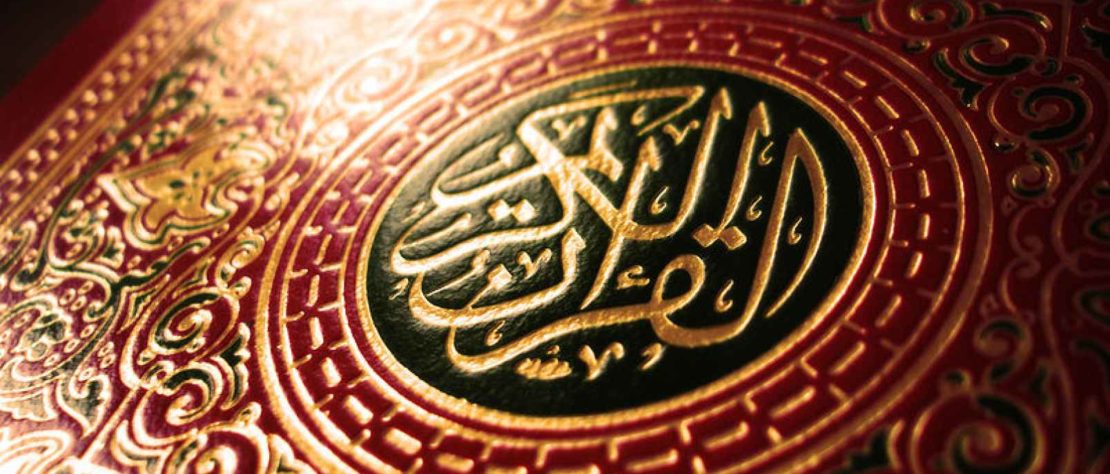
Qurで」私達はhijabについての次の命令を読んだ: 「オハイオ州の予言者! 外国に時)彼らの人上の彼らの外衣服を投げるべきであること、thy妻および娘および信じる女性を言いなさい(: それらが知られているべきであるそれはである最も便利および妨害されなくてアラーは(自体) Oft許して、最も慈悲深い」。 [神聖なQur'anのYusufアリ翻訳、SuraのAlAhzaab、詩59; アラビア字訳は次のとおりである: 「yaa ayyuhan-nabiyyu qul-lil azwaajika wa banaatika wa nisaaa'i-l mu'mineena yudneena `alayhinna最低のjalaabeebihinna thaalika adnaa ay-yu `rafna fa laa yu'thayna wa kaana-llaahu ghafoorar-raHeema」] 上記の詩では、女性は適当な女性として確認されるべきそれらのための彼女達の外衣服を投げ更にどうにか悩みの種を避けるように要求される。
詩、jalabib (jilbabの複数)で使用される単語はボディを完全にカバーする、そうこれはまた毛のカバーを支持して議論である外衣服を示し。 While the above verse does not specifically mention what is the right dress code applied (apart from the fact that women should cover their body), it clearly shows that the basic underlying concept is modesty. It is widely agreed that women who dressed and behaved modestly are respectable, and it helps in having respectful relationship with other women and men in their daily life. This is the most important reason behind the rules set in Islam, in which it gives total respect to women with regards to their body and preserve their dignity, and at the same time act as a guard and protection to them, at least to a certain extent, from being physically and emotionally harassed. We also hear another claim from the Critics that “…a [Muslim] woman has to cover certain parts of her body, parts which no sane woman exposes already.” This is as ludicrous as A) How would covering the breasts distinctly identify a woman as a Muslim in particular. Were all the other women of the time walking around topless? Thus, would covering the breasts and/or “neckline” be a specifically Muslim practice? Will these Critics say that the Jews and Christians of Arabia allowed their women to march around topless? No, they were not, as anyone even slightly competent in history would know. These are all pathetic assumptions and a sad attempt to twist a religious tenet to fit one’s personal whims. B) If God had only revealed a verse about covering breasts and/or “neckline”, He would then be forced to address every other part of the body. According to this argument, the midriff or “belly” is not addressed and thus, waltzing around in a belly dancer outfit would be halal. Again, this is insipid, to say it nicely.
The Qur’an further extend the guidelines in relation to the Muslim woman’s dress code through the following verse: “And say to the believing women that they should lower their gaze and guard their modesty, that they should not display their beauty and ornaments except what (must ordinarily) appear thereof, that they should draw their veils over their bosoms and not display their beauty except to their husbands, their fathers, their husband’s fathers, their sons, their husband’s sons, their brothers or their brothers’ sons, or their sisters’ sons, or their women, or the slaves whom their right hand posses, or male servants free of physical needs, or small children who have no sense of the shame of sex, and that they should not strike their feet in order to draw attention to their hidden ornaments. And O ye believers ! Turn ye all together towards God, that ye may attain Bliss.” (Sura’ An-Nur : 31) Again, the main subject behind the Islamic dress code is modesty. Coupled with a number of hadiths, this verse being the only verse within the Qur’?to mention about wearing veil to be included in the package to safeguard women’s dignity. While most Western societies often consider veil to cover women’s hair as a radical and violation to women’s right, Muslim women feel that veil gives them freedom. Different from the definition of freedom set by the West, a Muslim woman who follows Islamic dress code consider themselves free from being judged by her physical features, but rather to be judged by her character. What important is their intellectual and personality, and not the discrimination for their beauty. While women always emphasize on their beauty to fulfil the standard of attractiveness set by men, Muslim women set themselves free from being such a display object , but rather consider themselves as humans who have an exclusive right over themselves. Following the Islamic dress code including wearing veil to cover women’s hair obviously has no effect on women’s social interaction. The rights of each Muslim woman to get proper education and enjoy equal right with other women and men is not denied although they are required to wear veil and cover themselves according to Islamic requirement. With that reason, the word “oppressive” assigned to Islamic women’s dress code certainly has no basis at all. Unfortunately, this has been a favourite issue for some countries to deny the right of these Muslim women from getting proper education and play a major role in the society, without realising that they give a heavy burden upon these Muslim women, and that is what we call oppression! If these so-called “Muslim” critics do not wish to follow Islam, the world is full of many other religions they can choose from. Christianity, for example, will let you do whatever you want, eat whatever you want, drink whatever you want, or wear whatever you want, as long as you accept the blood of Jesus to cleanse your sins. But if these same critics know that Islam is the truth, then please do not play games with it just because they do not wish to wear the hijab. The Prophet Muhammad(P) had stated that in later generations of his Umma’ there would be “…women who would be dressed but naked and on top of their heads (what looks like) camel humps. Curse them for they are truly cursed.” (Sahih Muslim). We would like to challenge these critics to find a single historian who will say that the Muslims in the time of Muhammad(P) did not believe that wearing a head scarf was commanding by God and His Messenger. Just one, simple request…otherwise, desist.
Subscribe
Subscribe Articles With
Bloglines, Google Reader, My MSN, Netvibes, Newsburst
Newsgator, Odeo, Pluck, Podnova, Rojo, My Yahoo!, Desktop Reader
George Carty said on 14 August 2006:
I remember seeing on an atheist anti-Islam site an image of a pro-hijab demonstration, captioned “These women see themselves as 96% vagina and 4% person”. I wonder if these people advocate compulsory near-nudity?