If you're new here, you may want to get regular updates via Se siete nuovi qui, potrebbe essere utile per ottenere gli aggiornamenti regolari via RSS feed RSS feed . . Thank you for visiting! Grazie per la visita!
Rafidah Abdul Jamal Rafidah Jamal Abdul
Inheritance deals closely with the distribution of wealth, ie dealing with the transfer of the property of the deceased to the descendants. L'ereditarietà si occupa strettamente con la distribuzione della ricchezza, cioè riguarda il trasferimento della proprietà del defunto per i discendenti. In most of the early societies in ancient civilisation, the right to inherit the deceased properties is often given to the eldest son and male relatives. Nella maggior parte delle prime società in civiltà, il diritto di ereditare le proprietà defunto è spesso dato al figlio maggiore e parenti maschi. Female relatives are given lesser right to inherit, and most of the time their right is denied. parenti di sesso femminile sono date minore il diritto di ereditare, e la maggior parte del tempo viene negato un loro diritto. In fact, in the more modern civilization, the English Common Law did not give the right for women to own their properties until 1880s. In realtà, nella civiltà più moderna, la Common Law inglese non ha dato il diritto per le donne di possedere le loro proprietà fino al 1880. The Married Women's Property Act was only approved by Parliament as late as 1882 in United Kingdom, to abolish the previous law which stated that a married woman cannot held any property independent from her husband. Le donne sposate è di proprietà Act è stato approvato dal Parlamento solo più tardi nel 1882 nel Regno Unito, ad abolire la legge precedente, che ha dichiarato che una donna sposata non può ricoperto alcuna proprietà indipendente dal marito. Similar situation happened in France, whereby this right was only recognised in 1930s, which is less than 100 years ago. Situazione simile è accaduto in Francia, secondo cui tale diritto era riconosciuto soltanto nel 1930, che dista meno di 100 anni fa. This is how the early societies dealt with the matter of inheritance, where the treatment is favourable to men, while women were treated as the second class creations. Questo è come la società presto affrontato la questione di eredità, quando il trattamento è favorevole agli uomini, mentre le donne sono state trattate come le creazioni di seconda classe. This paper is intended to examine on how the unfair treatment on women is improved by the new set of rules introduced by Il presente documento ha lo scopo di esaminare il modo in cui il trattamento iniquo sulle donne è migliorata dalla nuova serie di norme introdotte dal Islam Islam , and at the same time trying to answer the critics on the unfair regulations on inheritance in Islamic environment. , E al tempo stesso cercando di rispondere i critici sui regolamenti abusive sulle successioni in ambiente islamico.
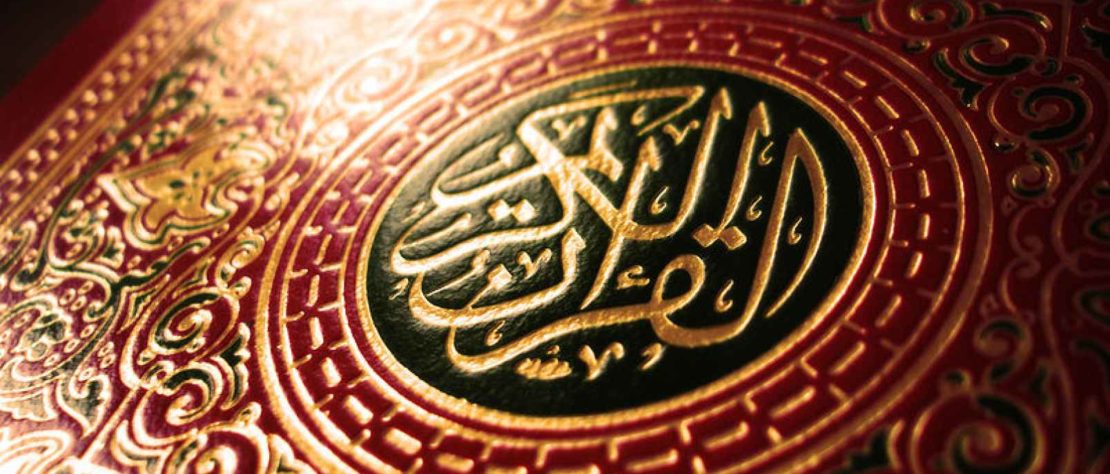
More than 1400 years ago, Islam have outlined specifically the regulations concerning inheritance via the Holy Qur'an. Più di 1400 anni fa, l'Islam ha illustrato in particolare le norme concernenti l'eredità attraverso il Sacro Corano. The regulation set in the Book is used as the basis of distribution of the deceased properties in Islam. Il regolamento fissato nel libro viene usato come base della distribuzione delle proprietà defunto nell'Islam. The Il question questione is whether or not Islam dealt fairly with this matter, especially with regards to the distribution to women heirs? è se l'Islam trattato in modo equo la questione, soprattutto per quanto riguarda la distribuzione agli eredi delle donne? Firstly, whether or not Muslim women can inherit at all out of what is left behind by their family is not an issue, as the Holy Qur'an clearly stated: In primo luogo, se le donne musulmane possono ereditare a tutti di ciò che è lasciato da parte la loro famiglia non è un problema, come il Sacro Corano chiaramente:
“From what is left by parents and those nearest related there is a share for men and a share for women , whether the property be small or large, a determinate share.” (Qur'? An-Nisa': 7) "Da quello che viene lasciato dai genitori e quelli più vicini connessi vi è una quota per gli uomini e una quota per le donne, se la proprietà essere piccolo o grande, una quota determinata." (Corano '? An-Nisa': 7)
And that is the clear revolution brought by Islam, as compared to the situation prior to the Islamic era. E questa è la rivoluzione chiaro portato dall'Islam, rispetto alla situazione precedente all'era islamica. Before the Qur'?c injunction on inheritance, the Arabs tradition, in line with the early civilizations in the world, gave the entitlement on inheritance of the deceased properties exclusively to the male relatives. Prima che il Corano '? C inibitoria eredità, la tradizione araba, in linea con le prime civiltà del mondo, ha dato il diritto sulle successioni delle proprietà defunto esclusivamente ai parenti maschi. While the jahiliyah tradition in Arab during that time considered a woman as an object that can be inherited and can be easily abused, Islam improved the status of a woman with regards to inheritance by giving her the right to inherit properties from her family. Mentre la tradizione jahiliyah in arabo nel corso di uno che di tempo considerato la donna come un oggetto che può essere ereditata e can essere facilmente vittime di abusi, l'Islam migliorato lo stato di una donna con regards di eredità dando her il diritto di ereditare le proprietà da lei family. In light of this situation, we would see clearly how Islam via the divine revelation revealed to Prophet Alla luce di questa situazione, avremmo visto chiaramente come l'Islam attraverso la rivelazione divina rivelata al Profeta Muhammad Muhammad (PBUH) managed to overcome the problem of unfair treatment of the early societies, long before any modern society can create an unbiased law on inheritance which will benefit both men and women alike. (Pace su di lui) è riuscito a superare il problema delle disparità di trattamento delle società di anticipo, molto prima che la società moderna in grado di creare una legge imparziale sulle successioni, che andrà a beneficio sia uomini che donne.
A comparison can also be established between this rule on inheritance as set in the Holy Qur'? Un confronto può essere stabilito tra questa norma sulle successioni, come stabilito nel Corano Santo '? with that of the other sister religions. con quella delle altre religioni sorelle. Let us see the Biblical injunction on this matter, via the revelation to Moses in the Old Testament. Vediamo l'ingiunzione biblica su questo tema, attraverso la rivelazione a Mosè nel Vecchio Testamento.
“Moses brought their case before the Lord. "Mosè ha portato il loro caso davanti al Signore. And the Lord spoke to Moses, saying : The daughters of Zelophehad are right in what they are saying, you shall indeed let them possess inheritance among their father's brothers and pass the inheritance of their father on to them, You shall also say to the Israelites, 'If a man dies, and has no son, then you shall pass his inheritance on to his daughter. If he has no daughter, then you shall give his inheritance to his brothers. E il Signore parlò a Mosè, dicendo: Le figlie di Zelofcad ragione in ciò che dicono, si deve infatti far loro possesso eredità tra padre, i fratelli di loro e superare l'eredità del padre su di loro, si forniscono inoltre agli Israeliti , 'Se un uomo muore, e non ha alcun figlio, quindi si deve passare la sua eredità a sua figlia. Se non ha la figlia, allora si deve dare la sua eredità ai suoi fratelli. If he has no brothers, then you shall give his inheritance to his father's brothers. Se non ha fratelli, allora si deve dare la sua eredità ai fratelli di suo padre. And if his father has no brothers, then you shall give his inheritance to the nearest kinsman of his clan, and he shall possess it. E se il padre non ha fratelli, allora si deve dare la sua eredità al parente più prossimo del suo clan, ed egli lo possiede. It shall be for the Israelites a statute and ordinance, as the Lord commanded Moses.” (Numbers 27: 5-11) Essa è per gli Israeliti uno statuto e regolamento, come il Signore aveva ordinato a Mosè. "(Numeri 27: 5-11)
Looking at the injunction in the above verses, a daughter can only inherit his father's property in the absence of a son. Guardando l'ingiunzione nei versetti sopra, una figlia può ereditare la proprietà di suo padre, in assenza di un figlio. In the case, when there is even one son left, the rights of the daughter will be denied altogether. Nel caso, quando vi è anche un figlio di sinistra, i diritti della figlia verrà negato del tutto. This treatment is somewhat quite biased. Questo trattamento è in qualche modo del tutto parziale. In addition, the most important question is, where are the rights of the widow? Numbers 27 continues to outline the list of heirs entitled for the properties left, without a single woman mentioned as the legal heir, not even the widow. Inoltre, la domanda più importante è: dove sono i diritti della vedova? Conta 27 continua a delineare l'elenco degli eredi ha diritto, per le proprietà a sinistra, senza una sola donna indicata come l'erede legale, nemmeno la vedova. One would ask, what is the future of the widow when she is left with no means of support? Si potrebbe chiedere, qual è il futuro della vedova, quando viene lasciato senza mezzi di supporto?
Now we shall compare this to the injunction via the revelation in the Holy Qur'? Ora ci si confronta questo per l'ingiunzione attraverso la rivelazione del Corano Santo '?
“God (thus) direct you as regards your children's (inheritance) : to the male, a portion equal to that of two females. "Dio ha (così), è diretto, nei confronti dei vostri figli (eredità): per il maschio, una porzione pari a quella di due femmine. If only daughters, two or more, their share is two-thirds of the inheritance. Se solo figlie, due o più, la loro quota è di due terzi della eredità. If only one, her share is a half. Se solo uno, la sua parte è un mezzo. For parents, a sixth share of the inheritance to each, if the deceased left children. Per i genitori, una quota sesto l'eredità a ciascuno, se la sinistra bambini defunti. If no children, and the parents are the (only) heirs, the mother has a third. Se non i bambini, ei genitori sono (solo) gli eredi, la madre ha un terzo. If the deceased has brothers (or sisters) the mother has a sixth. Se il defunto ha fratelli (o sorelle), la madre ha un sesto. After payment of legacy and Dopo il pagamento di eredità e debts debiti . . Ye know not whether the parents or your children are nearest to you in benefit. Voi non so se i genitori oi vostri figli sono più vicini a voi in vantaggio. These are settled portions ordained by God, and God is All Knowing, All Wise.” (An-Nisa': 11) Questi sono regolati porzioni ordinato da Dio, e Dio è onnisciente, Tutti saggio. "(An-Nisa ': 11)
The above verse clearly protects the right of both male and female heirs, whereby it guarantees the right of the sons, daughters, parents as well as brothers and sisters, in a manner not available in Numbers 27. Il versetto sopra protegge chiaramente il diritto di uomini e donne eredi, per cui essa garantisce il diritto dei figli, figlie, i genitori così come fratelli e sorelle, in modo non disponibili in numero 27. The Holy Qur'?continues by outlining the following: Il Santo Corano '? Poi a delineare la seguente:
“In what your wives leave, your share is a half, if they leave no child. "In che lasciare le vostre mogli, la vostra parte è un mezzo, se lasciano nessun bambino. But if they leave a child, ye get a fourth, after payment of legacies and debt. Ma se si lascia un bambino, voi, ottenere un quarto, dopo il pagamento di lasciti e di debito. In what ye leave, their share is a fourth, if ye leave no child. In quello che lasci, la loro quota è quarto, se lasci nessun bambino. But if ye leave a child, they get an eight, after payment of legacies and debts. Ma se lasci un bambino, che ottengono un otto, dopo il pagamento di lasciti e debiti. If the man or woman whose inheritance is in question, has left neither ascendants nor descendants, but has left a brother or a sister, each one of the two gets a sixth. Se l'uomo o la donna la cui eredità è in questione, ha lasciato né ascendenti né discendenti, ma ha lasciato un fratello o una sorella, ciascuno dei due ottiene un sesto posto. But if more than two, they share in a third, after payment of legacies and debts, so that no loss is caused. Ma se più di due, hanno in comune in un terzo, dopo il pagamento di lasciti e debiti, in modo che nessun danno è causato. Thus is it ordained by God, and God is All-knowing, Most Forbearing.” (An-Nisa': 12 ) Così è ordinato da Dio, e Dio è sapiente, Più magnanimo. "(An-Nisa ': 12)
In contrast to the Biblical injunction via Numbers 27, Qur'?specifically includes the right of the widow together in this verse. In contrasto con l'ingiunzione biblica tramite i numeri 27, Corano '? Comprende in particolare il diritto della vedova insieme in questo verso. This verse, together with verse 176 of the same sura also outlines the distribution in the situation where there is no ascendants or descendants of the deceased, in which it still gives a fair right to both male and female. Questo versetto, insieme con il verso 176 della sura same delinea anche la distribuzione nel caso in cui non vi è ascendenti o discendenti del defunto, in cui dà ancora un diritto giusto, sia maschile che femminile. Needless to say, the rules on inheritance stated via the Qur'?is complete, and the most important factor, is that it protects the right of both male and female heirs, the quality in which is not available prior to the Islamic era. Inutile dire che, le norme sulle successioni ha dichiarato attraverso il Corano '? È completa, e il fattore più importante, è che protegge il diritto di entrambi i sessi eredi, la qualità in cui non è disponibile prima all'era islamica.
The attacks upon the Islamic inheritance law however concentrates on the issue of the “inequality” between the share inherited by a man and the share inherited by a woman, as stated via verse 11 and 12 of An-Nisa'. Gli attacchi alla legge eredità islamica si concentra però sulla questione della "disuguaglianza" tra la quota ereditata da un uomo e la quota ereditata da una donna, come si è via versetto 11 e 12 di An-Nisa '. Looking at these verses in isolation, it is easy for the ignorant critics to conclude that while the Qur'?still protects the right of the women heirs, it is being done “unfairly” by giving lesser right than that enjoyed by men heirs (although this so-called “unfair” treatment only applies to the children, while parents and siblings are treated equally in both verses regardless of gender). Guardando questi versi in isolamento, è facile per i critici ignoranti di concludere che, mentre il Corano '? Protegge ancora il diritto degli eredi donne, è stato fatto "ingiustamente", dando minore destro a quello goduto dai discendenti degli uomini (anche se questo cosiddetto "trattamento ingiusto si applica solo ai bambini, mentre i genitori e fratelli sono trattati allo stesso modo in entrambi i versi, a prescindere dal genere).
However, we shall examine this rule together with other rules set by Islam in relation to properties to see the balance and the value behind the regulations outlined in An-Nisa' verse 11-12. Tuttavia, esamineremo questa norma insieme ad altre norme stabilite da Islam in relazione alla proprietà per visualizzare il saldo ed il valore dietro la normativa delineata in versi An-Nisa '11-12. First, we have to see the overall responsibilities of a man with regard to woman in Islamic context: In primo luogo, dobbiamo vedere le responsabilità generali di un uomo per quanto riguarda la donna in contesto islamico:
“Men are the protectors and maintainers of women, because God has give the one more (strength) than the other, and because they support them from their means.” (An-Nisa':34) "Gli uomini sono i protettori e manutentori delle donne, perché Dio ha dare la più (forza) rispetto agli altri, e perché li sostegno dai loro mezzi." (An-Nisa ': 34)
The Holy Qur'?made it clear in the above verse that the provision for maintenance of a woman is the responsibility of a man. Il Santo Corano '? Messo in chiaro nel versetto sopra che la disposizione per la manutenzione di una donna è la responsabilità di un uomo. Under the sharia' law: Sotto la Sharia 'legge:
a) For a single woman, the maintenance should be provided by her father. a) Per una donna sola, la manutenzione dovrebbe essere fornita dal padre. In the absence of her father, her male relatives, including brothers, grandfather and uncles, are responsible for the provision of her maintenance. In assenza del padre, i suoi parenti di sesso maschile, tra fratelli, nonno e zii, sono responsabili della fornitura della sua manutenzione.
b) The provision for maintenance of a married woman is exclusively the responsibility of her husband (An-Nisa':5), and a husband is required to pay the dowry for his wife upon marriage (An-Nisa':4). b) La disposizione per la manutenzione di una donna sposata è esclusivamente a carico del marito (An-Nisa ': 5), ed è richiesto un marito per pagare la dote per la moglie sul matrimonio (An-Nisa': 4). This dowry is exclusively owned by the wife, and the husband has no right to take it back even upon divorce (An-Nisa':20-21) Questa dote è esclusivamente di proprietà della moglie, e il marito non ha diritto di prendere di nuovo anche su divorzio (An-Nisa ':20-21)
c) A woman has no financial obligation at all, and whatever she earns or inherits is exclusively her own property. c) Una donna non ha alcun obbligo finanziario a tutti, e tutto ciò che guadagna o eredita è esclusivamente una sua proprietà. She is free to spend her treasure the way she wants it, and a husband has no right to take even a single cent, except what is willingly given by her. Lei è libero di spendere il suo tesoro il modo in cui lei lo vuole, e un marito non ha diritto di prendere anche un solo centesimo, tranne ciò che è dato volentieri da lei.
d) Upon divorce, a husband is required to pay for her mut'ah (Al-Baqarah:241 ) and maintenance during 'iddah (Al-Talaq : 6). d) In caso di divorzio, il marito è tenuto a pagare per il suo mut'ah (Al-Baqarah: 241) e la manutenzione durante il 'iddah (Al-talaq: 6). The responsibility for the maintenance of the children upon divorce is on the shoulder of the husband (Al-Baqarah:233) La responsabilità per il mantenimento dei figli dopo il divorzio è sulla spalla del marito (Al-Baqarah: 233)
By examining the points as stated above, one could see how heavy is the financial responsibility assigned to a man, with regards to the maintenance of a woman, while woman has very little, and more often than not, no financial obligation at all. Esaminando i punti come indicato in precedenza, si poteva vedere quanto pesa la responsabilità is finanziarie assegnate to un uomo, with riguarda il mantenimento di una donna, mentre la donna has very, e un nuovo spesso che no, no obligation finanziario a tutti. If the right of a woman to inherit is denied, it would be unfair for her as she's related to the deceased. Se il diritto di una donna di ereditare è negato, sarebbe ingiusto per lei come lei è legato al defunto. The right is still given to the women, as a protection to the women in case of any dispute, which may result in the insecurity or oppression to the women themselves. La destra è ancora dato alle donne, come una protezione alle donne in caso di eventuali controversie che possono comportare l'insicurezza o di oppressione alle stesse donne. However, if the share of the properties assigned equally between a man and a woman, it will be unjust for the man as he has greater financial responsibility than the woman. Tuttavia, se la quota degli immobili assegnati in parti uguali tra un uomo e una donna, sarà ingiusto per l'uomo come lui ha una maggiore responsabilità finanziaria rispetto alla donna. This is the value behind this injunction, in which most critics failed to consider. Questo è il valore alla base di questa ingiunzione, in cui maggior parte dei critici non ha considerato. Islam outlines this matter beautifully, by creating a balance between the rights enjoyed by both men and women. Islam delinea la questione magnificamente, creando un equilibrio tra i diritti di cui godono gli uomini e le donne. It is clear that, no one is therefore worse off as a result of this rule. E 'chiaro che, nessuno è quindi peggio a causa di questa regola.
The accusations of inequality and unfairness of the Islamic law on inheritance therefore stands with no basis for the claims. Le accuse di disuguaglianza e di ingiustizia della legge islamica sulle successioni sta quindi con nessuna base per i crediti. While the modern society struggles to define the best way to protect the rights of both men and women alike, Islam is a step ahead by outlining the most refined and specific rules on inheritance that is known to the civilised world, 1300 years in Mentre la società moderna fa fatica a definire il modo migliore per tutelare i diritti degli uomini e delle donne, l'Islam è un passo avanti, delineando le regole più raffinate e specifiche in materia di successione che è conosciuto per il mondo civilizzato, 1300 anni advance anticipo . . What is more amazing is that while Islam emerge at the time when the status of a woman was at an all-time low and her rights were totally deprived, Islam has never failed to gradually improve the status of the women to the highest standard by giving a fair treatment to them, which is beyond imagination if the situation 1400 years ago is taken into consideration. Che cosa è più sorprendente è che mentre l'Islam emergono nel momento in cui lo stato di una donna era in un basso di tutti i tempi ei suoi diritti sono stati totalmente privati, l'Islam non ha mai mancato di migliorare progressivamente lo status delle donne ai livelli più alti, dando un trattamento equo a loro, che è oltre ogni immaginazione se la situazione di 1400 anni fa viene preso in considerazione.
And only God knows best! E solo Dio sa meglio!
3 Responses for 3 risposte per "The Issue On Inheritance for Women" "La questione sulle successioni per le donne"
You must be Devi essere logged in registrato nel to post a comment. Per inviare un commento.
To prove that Islamic Inheritance Law has nothing to do with male superiority, lets give the example of a deceased person, who's only inheritors are his child and mother and father. Per dimostrare che l'ereditarietà legge islamica non ha nulla a che fare con la superiorità maschile, consente di dare l'esempio di una persona deceduta, che è solo eredi sono i suoi figli e sua madre e padre. According to the Missionary's theory, the father should get double that of the mother. Secondo la teoria del missionario, il padre dovrebbe ricevere il doppio di quello della madre. But the Holy Quran stipulates that both the Mother and the father each get a sixth of the inheritance. Ma il Corano prevede che sia la madre e il padre di ogni avere un sesto della eredità.
Professor Almaric Rumsey (1825-1899) of King's College, London; Barrister-at-law, stated that the Muslim law of inheritance, “comprises beyond question the most refined and elaborate system of rules for the devolution of property that is known to the civilised world.” Professore Almaric Rumsey (1825-1899) del King's College di Londra, barrister-at-law, ha dichiarato che il diritto musulmano di eredità, "comprende fuori discussione il più raffinato ed elaborato sistema di regole per la devoluzione delle proprietà che è noto al mondo civilizzato. "
——————————————————————————————- -------------------------------
United Nations document: Nazioni Unite documento:
“The Islamic inheritance rules despite their apparent discriminatory nature, where they are implemented in letter and spirit and construed holistically, provide a solid starting point for women – and other members of the family – in asserting the full range of their property rights.” "Le norme di successione islamico nonostante la loro apparente carattere discriminatorio, in cui sono implementati nella lettera e nello spirito e interpretato olistica e fornire un solido punto di partenza per le donne - e gli altri membri della famiglia - a far valere l'intera gamma dei loro diritti di proprietà".
http://www.unhabitat.org/downl.....LP%206.doc http://www.unhabitat.org/downl.....LP% 206.doc
The Biblical Inheritance Laws have been described by Rabbi Louis Epstein in his book about Jewish Marriages where he states: “The continuous and unbroken tradition since the Biblical days gives the female members of the household, wife and daughters, no right of succession to the family estate” Il diritto di successione bibliche sono state descritte da Rabbi Louis Epstein nel suo libro su Matrimonio ebraico, dove afferma: "La tradizione continua e ininterrotta fin dai tempi biblici dà i membri femminili della famiglia, moglie e figlie, alcun diritto di successione alla famiglia Estate "
And this tradition has been followed by the Christians until about 100 years ago, when the secular governments of Europe began to give females the same rights that were given to Muslim ladies over 1400 years ago!! E questa tradizione è stata seguita dalla cristiani, fino a circa 100 anni fa, quando i governi secolari d'Europa ha cominciato a dare femmine gli stessi diritti è stata data ai musulmani signore oltre 1400 anni fa!!