If you're new here, you may want to get regular updates via Se você é novo aqui, você pode querer obter atualizações regulares através de RSS feed feed RSS . . Thank you for visiting! Obrigado pela visita!
Rafidah Abdul Jamal Rafidah Jamal Abdul
Inheritance deals closely with the distribution of wealth, ie dealing with the transfer of the property of the deceased to the descendants. Herança de perto lida com a distribuição da riqueza, ou seja, lidar com a transferência da propriedade do falecido para os descendentes. In most of the early societies in ancient civilisation, the right to inherit the deceased properties is often given to the eldest son and male relatives. Na maioria das sociedades no início da civilização antiga, o direito de herdar as propriedades falecido é muitas vezes dado ao filho mais velho e parentes do sexo masculino. Female relatives are given lesser right to inherit, and most of the time their right is denied. parentes do sexo feminino são dadas menor direito de herdar, e na maioria das vezes o seu direito negado. In fact, in the more modern civilization, the English Common Law did not give the right for women to own their properties until 1880s. De facto, na civilização mais moderna, o Inglês Common Law não se dão o direito para as mulheres as suas próprias propriedades até 1880. The Married Women's Property Act was only approved by Parliament as late as 1882 in United Kingdom, to abolish the previous law which stated that a married woman cannot held any property independent from her husband. Propriedade da Mulher Casada lei só foi aprovada pelo Parlamento no final de 1882, no Reino Unido, para abolir a lei anterior, que declarou que uma mulher casada não pode realizar qualquer propriedade independente de seu marido. Similar situation happened in France, whereby this right was only recognised in 1930s, which is less than 100 years ago. Situação semelhante aconteceu na França, onde esse direito só foi reconhecido em 1930, que é menos de 100 anos atrás. This is how the early societies dealt with the matter of inheritance, where the treatment is favourable to men, while women were treated as the second class creations. Esta é a forma como as sociedades cedo lidou com a questão de herança, onde o tratamento é favorável aos homens, enquanto as mulheres eram tratadas como as criações de segunda classe. This paper is intended to examine on how the unfair treatment on women is improved by the new set of rules introduced by Este documento destina-se a examinar, como o tratamento injusto para as mulheres é melhor pelo conjunto de novas regras introduzidas pela Islam Islã , and at the same time trying to answer the critics on the unfair regulations on inheritance in Islamic environment. E, ao mesmo tempo, tentando responder as críticas sobre a regulamentação abusiva da herança no ambiente islâmico.
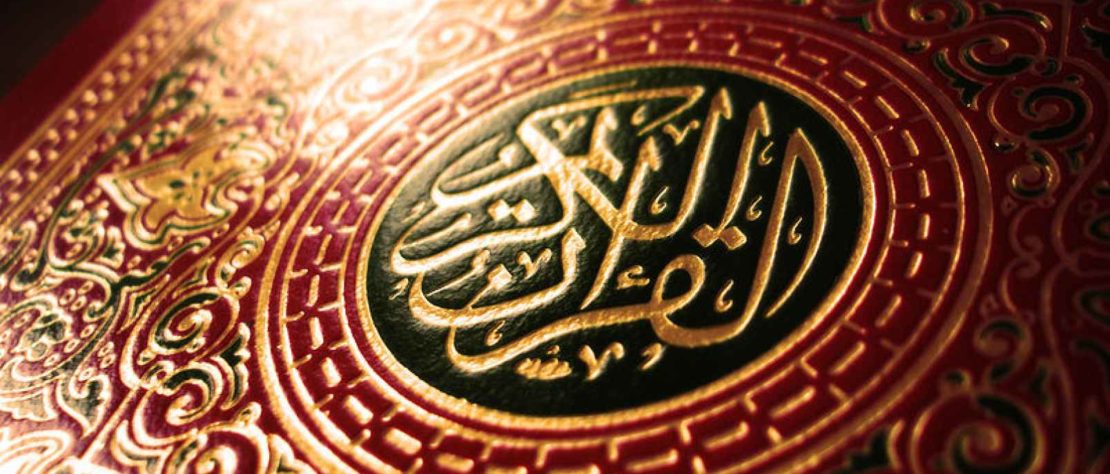
More than 1400 years ago, Islam have outlined specifically the regulations concerning inheritance via the Holy Qur'an. Mais de 1400 anos atrás, o Islam tem delineado especificamente os regulamentos relativos a herança, através do Alcorão Sagrado. The regulation set in the Book is used as the basis of distribution of the deceased properties in Islam. O regulamento definido no livro é usado como base de distribuição das propriedades falecido no Islã. The O question pergunta is whether or not Islam dealt fairly with this matter, especially with regards to the distribution to women heirs? é ou não o Islã tratados de forma justa com esta matéria, especialmente no que diz respeito à distribuição aos herdeiros as mulheres? Firstly, whether or not Muslim women can inherit at all out of what is left behind by their family is not an issue, as the Holy Qur'an clearly stated: Em primeiro lugar, ou não as mulheres muçulmanas podem herdar a todos de que é deixado para trás pela sua família não é um problema, como o Alcorão claramente:
“From what is left by parents and those nearest related there is a share for men and a share for women , whether the property be small or large, a determinate share.” (Qur'? An-Nisa': 7) "De que é deixado pelos pais e mais próximos os relacionados há uma quota para os homens e de uma quota para as mulheres, se a propriedade ser pequena ou grande, uma parte determinada." (Qur '? An-Nisa': 7)
And that is the clear revolution brought by Islam, as compared to the situation prior to the Islamic era. E essa é a revolução trazida pelo Islã claro, em comparação com a situação antes da era islâmica. Before the Qur'?c injunction on inheritance, the Arabs tradition, in line with the early civilizations in the world, gave the entitlement on inheritance of the deceased properties exclusively to the male relatives. Antes do Qur '? C liminar sobre a herança, a tradição árabe, de acordo com as primeiras civilizações do mundo, deu o direito sobre a herança do falecido propriedades exclusivamente aos parentes do sexo masculino. While the jahiliyah tradition in Arab during that time considered a woman as an object that can be inherited and can be easily abused, Islam improved the status of a woman with regards to inheritance by giving her the right to inherit properties from her family. Enquanto a tradição jahiliyah em árabe durante esse tempo considerada uma mulher como um objeto que pode ser herdada e pode ser facilmente abusado, Islam melhorou o status de uma mulher que diz respeito à herança, dando-lhe o direito de herdar propriedades de sua família. In light of this situation, we would see clearly how Islam via the divine revelation revealed to Prophet À luz desta situação, gostaríamos de ver claramente como o Islão através da revelação divina revelada ao Profeta Muhammad Muhammad (PBUH) managed to overcome the problem of unfair treatment of the early societies, long before any modern society can create an unbiased law on inheritance which will benefit both men and women alike. (PECE) conseguiu superar o problema do tratamento injusto das sociedades cedo, muito antes de qualquer sociedade moderna pode criar uma lei imparcial sobre a herança que irá beneficiar tanto os homens e mulheres.
A comparison can also be established between this rule on inheritance as set in the Holy Qur'? A comparação também pode ser estabelecida entre esta regra sobre a herança tal como previsto no Alcorão Sagrado "? with that of the other sister religions. com que as religiões de outra irmã. Let us see the Biblical injunction on this matter, via the revelation to Moses in the Old Testament. Vejamos a injunção bíblica sobre este assunto, através da revelação a Moisés no Antigo Testamento.
“Moses brought their case before the Lord. "Moisés levou o seu caso perante o Senhor. And the Lord spoke to Moses, saying : The daughters of Zelophehad are right in what they are saying, you shall indeed let them possess inheritance among their father's brothers and pass the inheritance of their father on to them, You shall also say to the Israelites, 'If a man dies, and has no son, then you shall pass his inheritance on to his daughter. If he has no daughter, then you shall give his inheritance to his brothers. E o Senhor falou a Moisés, dizendo: "As filhas de Zelofeade têm razão no que estão dizendo, você deve realmente deixá-los possuir herança entre pai, seus irmãos e transmitir a herança de seu pai para eles, você deve também dizer aos israelitas "Se um homem morre e não tem filho, então você deve passar a sua herança para sua filha. Se ele não tem filha, então você deve dar a sua herança a seus irmãos. If he has no brothers, then you shall give his inheritance to his father's brothers. Se ele não tem irmãos, então dareis a sua herança aos irmãos de seu pai. And if his father has no brothers, then you shall give his inheritance to the nearest kinsman of his clan, and he shall possess it. E se seu pai não tiver irmãos, então dareis a sua herança para o mais próximo parente de seu clã, e ele deve possuir. It shall be for the Israelites a statute and ordinance, as the Lord commanded Moses.” (Numbers 27: 5-11) Deve ser para os israelitas uma lei e decreto, como o Senhor ordenara a Moisés. "(Números 27: 5-11)
Looking at the injunction in the above verses, a daughter can only inherit his father's property in the absence of a son. Olhando a liminar nos versos acima, a filha só pode herdar de seu pai, na ausência de um filho. In the case, when there is even one son left, the rights of the daughter will be denied altogether. No caso, quando houver mesmo um filho da esquerda, os direitos da filha vai ser negados. This treatment is somewhat quite biased. Este tratamento é algo enviesadas. In addition, the most important question is, where are the rights of the widow? Numbers 27 continues to outline the list of heirs entitled for the properties left, without a single woman mentioned as the legal heir, not even the widow. Além disso, a questão mais importante é, onde estão os direitos da viúva? Números 27 continua a delinear a lista de herdeiros têm direito para as propriedades esquerda, sem uma única mulher citada como o herdeiro legal, nem a viúva. One would ask, what is the future of the widow when she is left with no means of support? Alguém poderia perguntar: qual é o futuro da viúva, quando ela fica sem meios de subsistência?
Now we shall compare this to the injunction via the revelation in the Holy Qur'? Agora vamos comparar isso com a liminar através da revelação do Alcorão Sagrado "?
“God (thus) direct you as regards your children's (inheritance) : to the male, a portion equal to that of two females. "Deus (assim) dirigi-lo no que diz respeito a herança de seus filhos (): para o sexo masculino, uma porção igual ao de duas fêmeas. If only daughters, two or more, their share is two-thirds of the inheritance. Se somente filhas, dois ou mais, a sua quota é de dois terços da herança. If only one, her share is a half. Se apenas um, sua parte é uma meia. For parents, a sixth share of the inheritance to each, if the deceased left children. Para os pais, uma parte sexto da herança para cada um, se o falecido deixou filhos. If no children, and the parents are the (only) heirs, the mother has a third. Se não houver filhos, e os pais são os únicos) herdeiros (a mãe tem um terço. If the deceased has brothers (or sisters) the mother has a sixth. Se o falecido tiver irmãos (ou irmãs) que a mãe tem um sexto. After payment of legacy and Após o pagamento do legado e debts dívidas . . Ye know not whether the parents or your children are nearest to you in benefit. Ye não sei se os pais ou seus filhos estão mais perto de si em benefício. These are settled portions ordained by God, and God is All Knowing, All Wise.” (An-Nisa': 11) Estes são resolvidos porções ordenado por Deus, e Deus é Sapiente, Prudentíssimo. "(An-Nisa ': 11)
The above verse clearly protects the right of both male and female heirs, whereby it guarantees the right of the sons, daughters, parents as well as brothers and sisters, in a manner not available in Numbers 27. O versículo acima claramente protege o direito de ambos os sexos masculino e feminino herdeiros, pelo que garante o direito dos filhos, filhas, pais, bem como irmãos e irmãs, de uma forma não disponível em Números 27. The Holy Qur'?continues by outlining the following: O Santo Qur? Continua, descrevendo o seguinte:
“In what your wives leave, your share is a half, if they leave no child. "Em que deixarem as vossas esposas, sua parte é uma meia, se deixar nenhuma criança. But if they leave a child, ye get a fourth, after payment of legacies and debt. Mas se deixar uma criança, ye obter um quarto, depois de pagas as doações e dívidas. In what ye leave, their share is a fourth, if ye leave no child. Em que vos deixar, sua participação é um quarto, se vos deixar nenhuma criança. But if ye leave a child, they get an eight, after payment of legacies and debts. Mas se vos deixar uma criança, elas são um oito, depois de pagas as doações e dívidas. If the man or woman whose inheritance is in question, has left neither ascendants nor descendants, but has left a brother or a sister, each one of the two gets a sixth. Se o homem ou a mulher cuja herança está em questão, deixou nem ascendentes nem descendentes, mas deixou um irmão ou uma irmã, cada um dos dois recebe um sexto. But if more than two, they share in a third, after payment of legacies and debts, so that no loss is caused. Mas, se mais de dois, eles compartilham de um terceiro, depois de pagas as doações e dívidas, de modo que nenhuma perda é causada. Thus is it ordained by God, and God is All-knowing, Most Forbearing.” (An-Nisa': 12 ) Assim, é ordenado por Deus, e Deus é Sapiente, Tolerante. "(An-Nisa ': 12)
In contrast to the Biblical injunction via Numbers 27, Qur'?specifically includes the right of the widow together in this verse. Em contraste com a injunção bíblica através dos números 27, Qur '? Especificamente inclui o direito da viúva juntos neste versículo. This verse, together with verse 176 of the same sura also outlines the distribution in the situation where there is no ascendants or descendants of the deceased, in which it still gives a fair right to both male and female. Este versículo, juntamente com o versículo 176 da mesma sura também descreve a distribuição na situação em que não há ascendentes ou descendentes do falecido, em que ainda dá um direito justo para ambos os sexos masculino e feminino. Needless to say, the rules on inheritance stated via the Qur'?is complete, and the most important factor, is that it protects the right of both male and female heirs, the quality in which is not available prior to the Islamic era. Escusado será dizer que as regras sobre herança declarou através do Qur '? É completa, eo fator mais importante, é que ela protege o direito de ambos os sexos masculino e feminino herdeiros, a qualidade do que não está disponível antes da era islâmica.
The attacks upon the Islamic inheritance law however concentrates on the issue of the “inequality” between the share inherited by a man and the share inherited by a woman, as stated via verse 11 and 12 of An-Nisa'. Os ataques contra o direito sucessório islâmico porém concentra-se na questão da desigualdade "entre as partes herdado por um homem ea parte herdado por uma mulher, como já via o versículo 11 e 12 do An-Nisa '. Looking at these verses in isolation, it is easy for the ignorant critics to conclude that while the Qur'?still protects the right of the women heirs, it is being done “unfairly” by giving lesser right than that enjoyed by men heirs (although this so-called “unfair” treatment only applies to the children, while parents and siblings are treated equally in both verses regardless of gender). Olhando para estes versos em isolamento, é fácil para os críticos ignorantes concluir que, embora o Qur '? Ainda protege o direito dos herdeiros mulheres, está sendo feito "injustamente", dando menor direito de que gozam os homens herdeiros (embora este assim chamado "tratamento" desleal se aplica apenas às crianças, enquanto os pais e irmãos são tratados da mesma forma em ambos os versos, independentemente do género).
However, we shall examine this rule together with other rules set by Islam in relation to properties to see the balance and the value behind the regulations outlined in An-Nisa' verse 11-12. No entanto, vamos analisar esta regra, juntamente com outras regras estabelecidas pelo Islã em relação às propriedades para ver o saldo eo valor por trás das regras descritas no verso An-Nisa '11-12. First, we have to see the overall responsibilities of a man with regard to woman in Islamic context: Em primeiro lugar, temos de ver as responsabilidades gerais de um homem em relação à mulher no contexto islâmico:
“Men are the protectors and maintainers of women, because God has give the one more (strength) than the other, and because they support them from their means.” (An-Nisa':34) "Os homens são os protetores das mulheres, porque Deus tem dado a mais (força) do que os outros, e porque o apoio deles a partir de seus meios." (An-Nisa ': 34)
The Holy Qur'?made it clear in the above verse that the provision for maintenance of a woman is the responsibility of a man. O Santo Qur? Claro no versículo acima que a disposição para a manutenção de uma mulher é a responsabilidade de um homem. Under the sharia' law: Sob a sharia "lei:
a) For a single woman, the maintenance should be provided by her father. a) Para uma mulher solteira, a manutenção deverá ser prestada por seu pai. In the absence of her father, her male relatives, including brothers, grandfather and uncles, are responsible for the provision of her maintenance. Na ausência de seu pai, seus parentes, incluindo irmãos, avô e tios, são responsáveis pela prestação da sua manutenção.
b) The provision for maintenance of a married woman is exclusively the responsibility of her husband (An-Nisa':5), and a husband is required to pay the dowry for his wife upon marriage (An-Nisa':4). b) A provisão para manutenção de uma mulher casada é da exclusiva responsabilidade do marido (An-Nisa ', 5), e um marido é obrigado a pagar o dote de sua esposa após o casamento (An-Nisa': 4). This dowry is exclusively owned by the wife, and the husband has no right to take it back even upon divorce (An-Nisa':20-21) Este dote é de propriedade exclusiva da mulher, o marido não tem direito de levá-la de volta, mesmo após o divórcio (An-Nisa ':20-21)
c) A woman has no financial obligation at all, and whatever she earns or inherits is exclusively her own property. c) A mulher não tem nenhuma obrigação financeira em tudo, e tudo o que ganha ou herda é exclusivamente sua propriedade. She is free to spend her treasure the way she wants it, and a husband has no right to take even a single cent, except what is willingly given by her. Ela é livre para gastar o seu tesouro do jeito que ela quer, e um marido tem o direito de tomar um único centavo sequer, exceto o que é de bom grado dado por ela.
d) Upon divorce, a husband is required to pay for her mut'ah (Al-Baqarah:241 ) and maintenance during 'iddah (Al-Talaq : 6). d) Em caso de divórcio, o marido é obrigado a pagar por ela mut'ah (Al-Baqarah: 241) e manutenção durante o 'iddah (Al-Talaq: 6). The responsibility for the maintenance of the children upon divorce is on the shoulder of the husband (Al-Baqarah:233) A responsabilidade pela manutenção dos filhos após o divórcio é no ombro do marido (Al-Baqarah: 233)
By examining the points as stated above, one could see how heavy is the financial responsibility assigned to a man, with regards to the maintenance of a woman, while woman has very little, and more often than not, no financial obligation at all. Ao examinar os pontos como indicado acima, pode-se ver como é pesada a responsabilidade financeira atribuída a um homem, no que diz respeito à manutenção de uma mulher, enquanto mulher tem muito pouco, e mais frequentemente do que não, qualquer obrigação financeira em tudo. If the right of a woman to inherit is denied, it would be unfair for her as she's related to the deceased. Se o direito de uma mulher para herdar é negado, seria injusto para ela como ela está relacionada com o falecido. The right is still given to the women, as a protection to the women in case of any dispute, which may result in the insecurity or oppression to the women themselves. O direito ainda é dada às mulheres, como uma proteção às mulheres em caso de litígio, o que pode resultar em insegurança ou opressão às próprias mulheres. However, if the share of the properties assigned equally between a man and a woman, it will be unjust for the man as he has greater financial responsibility than the woman. No entanto, se a quota das propriedades divididos igualmente entre um homem e uma mulher, será injusto para o homem como ele tem uma maior responsabilidade financeira do que a mulher. This is the value behind this injunction, in which most critics failed to consider. Este é o valor subjacente a esta liminar, em que a maioria dos críticos não consideram. Islam outlines this matter beautifully, by creating a balance between the rights enjoyed by both men and women. Islam define este assunto maravilhosamente, criando um equilíbrio entre os direitos dos homens e mulheres. It is clear that, no one is therefore worse off as a result of this rule. É claro que ninguém é, portanto, pior, como resultado desta regra.
The accusations of inequality and unfairness of the Islamic law on inheritance therefore stands with no basis for the claims. As acusações da desigualdade e da injustiça da lei islâmica na herança, portanto, fica sem base para as reivindicações. While the modern society struggles to define the best way to protect the rights of both men and women alike, Islam is a step ahead by outlining the most refined and specific rules on inheritance that is known to the civilised world, 1300 years in Enquanto a sociedade moderna se esforça para definir a melhor maneira de proteger os direitos dos homens e mulheres, o Islão é um passo à frente, definindo as regras mais refinados e específicos sobre a herança que é conhecido para o mundo civilizado, em 1.300 anos advance avanço . . What is more amazing is that while Islam emerge at the time when the status of a woman was at an all-time low and her rights were totally deprived, Islam has never failed to gradually improve the status of the women to the highest standard by giving a fair treatment to them, which is beyond imagination if the situation 1400 years ago is taken into consideration. O que é mais surpreendente é que, enquanto o Islã emerge no momento em que o status de uma mulher foi a um mais baixo de sempre e os seus direitos foram totalmente privados, o Islão nunca falhou a melhorar gradualmente a situação das mulheres no mais elevado padrão, dando- um tratamento justo para eles, que está além da imaginação, se a situação de 1.400 anos é levado em consideração.
And only God knows best! E só Deus sabe melhor!
3 Responses for 3 Respostas para "The Issue On Inheritance for Women" "A questão sobre a herança para as Mulheres"
You must be Você deve ser logged in logado to post a comment. postar um comentário.
To prove that Islamic Inheritance Law has nothing to do with male superiority, lets give the example of a deceased person, who's only inheritors are his child and mother and father. Para provar que a lei islâmica de herança não tem nada a ver com a superioridade masculina, vamos dar o exemplo de uma pessoa falecida, que somente são herdeiros seu filho e sua mãe e pai. According to the Missionary's theory, the father should get double that of the mother. Segundo a teoria do missionário, o pai deve ter o dobro da mãe. But the Holy Quran stipulates that both the Mother and the father each get a sixth of the inheritance. Mas o Alcorão estabelece que tanto a mãe eo pai receber cada um sexto da herança.
Professor Almaric Rumsey (1825-1899) of King's College, London; Barrister-at-law, stated that the Muslim law of inheritance, “comprises beyond question the most refined and elaborate system of rules for the devolution of property that is known to the civilised world.” Professor Almaric Rumsey (1825-1899) do King's College, de Londres, barrister, do Governo, afirmou que a lei islâmica de herança, "compreende além da questão o mais requintado e elaborado sistema de regras para a devolução dos bens que é conhecido para o mundo civilizado ".
——————————————————————————————- -------------------------------
United Nations document: Documento das Nações Unidas:
“The Islamic inheritance rules despite their apparent discriminatory nature, where they are implemented in letter and spirit and construed holistically, provide a solid starting point for women – and other members of the family – in asserting the full range of their property rights.” "As regras de herança islâmica apesar da sua aparente natureza discriminatória, onde são executadas na letra e no espírito e interpretado de forma holística, fornecer um sólido ponto de partida para as mulheres - e outros membros da família - em afirmar a gama completa de seus direitos de propriedade."
http://www.unhabitat.org/downl.....LP%206.doc http://www.unhabitat.org/downl.....LP% 206.doc
The Biblical Inheritance Laws have been described by Rabbi Louis Epstein in his book about Jewish Marriages where he states: “The continuous and unbroken tradition since the Biblical days gives the female members of the household, wife and daughters, no right of succession to the family estate” A herança bíblica Leis têm sido descritas pelo rabino Louis Epstein em seu livro sobre os casamentos judaicos, onde ele afirma: "A tradição contínua e ininterrupta desde os tempos bíblicos não dão aos membros femininos da família, esposa e filhas, o direito de sucessão da família imobiliário "
And this tradition has been followed by the Christians until about 100 years ago, when the secular governments of Europe began to give females the same rights that were given to Muslim ladies over 1400 years ago!! E esta tradição foi seguida pelos cristãos até cerca de 100 anos atrás, quando os governos seculares da Europa começaram a dar para as mulheres os mesmos direitos que foram dadas a mulheres muçulmanas mais de 1400 anos atrás!