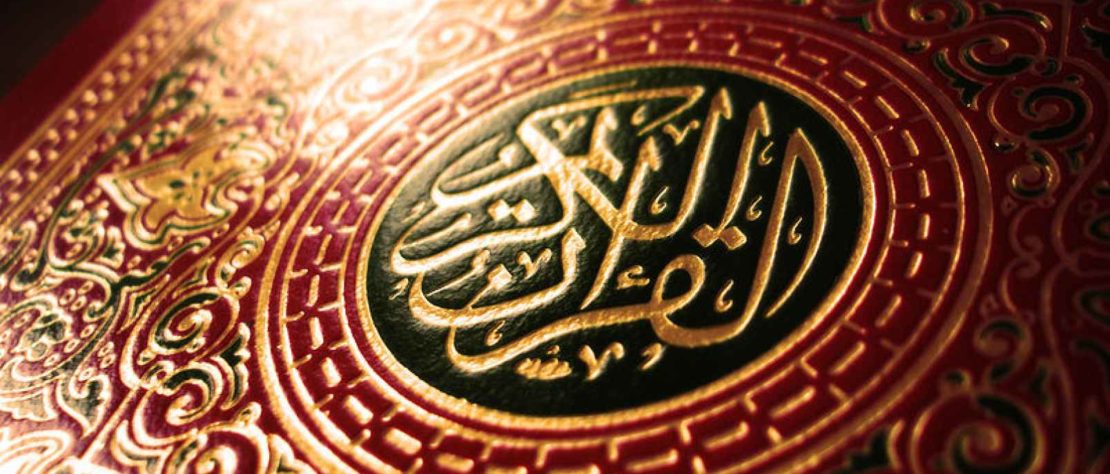
Рассказ творения расположен в первом книге Ветхого завета, т.е. в предыдущих главах происхождения. Повесть Ветхого завета почти как storybook; следовательно оно start off с рассказом творения как начало рассказа mankind. Qur' дает по-разному представление к своим идее и сообщению with regard to рассказ творения. Рассказ творения расположен в различных местах в пределах Qur', such as в al-Baqarah Sura', Sura' Как-Sajdah, Sura' Yassin и так далее. Ветхий завет относит рассказ о боге создавая землю и человек в 6 днях (происхождении, 1) и тот бог приняли остальные на седьмой день (происхождение, 1-3). Qur' также упоминает что творение осуществляет в пределах «6 дней»1 но никогда не говорит что бог должен принять остальные на седьмой день. (Al-Sajdah: 4, Al-A' raf: 54). Ветхий завет относит специфически на бог создал на каждый день творения. На первый день, бог создал рай и землю с светлой и темнотой, которая упомянута как день и ноча. Это случилось даже прежде чем бог создал солнце и луну! На второй день бог создал небо и океаны. На третий день бог дал жизнь земли. После этого, в following днях бог создал солнце и луну, последованные за рыбами и птицами и одичалыми животными, гадами и скотинами. Окончательно бог создал человека (происхождения, 1). Эта последовательность творения некоторо имеет несколько научных проблем с ей; glaring был учетом творения заводов перед творением солнца, которое противоположно с мы знаем о науке сегодня.
In contrast to библия, Qur' не имеет NIKAKое несоответствие с установленными науками и общим людским чувством. What appears to be a fundamental importance in the matter is that the Holy Qur’an does not mention specifically the sequence of Creation or the manner in how God created the world. In Sura’ Yassin, verse 33, we are told that God gave life to the earth that is dead, without mentioning on which day it had happened. “A sign for them is the earth that is dead: We do give it life, and produce grain therefrom, of which ye do eat.” 36: 33 There is also absolutely fundamental data concerning the existence of an initial gaseous mass (dukhan) which is unique and whose elements, although at first fused together (ratq) subsequently became separated (fatq). This is expressed in Sura’ Fussilat: “Then turned He to the heavens when it was smoke.” 41: 11 And the same is expressed in Sura’ al-Anbiya’: “Do not the Unbelievers see that the heavens and the earth were joined together [as one unit of creation] before We clove them asunder?” 21: 30 All this is in perfect agreement with modern ideas on the existence of primary nebula and the process of secondary separation of elements that has formed the initial unique mass; this separation (known as the Big Bang) resulted in the formation of galaxies and then, when these divided, of stars from which the planets were to be born. All these information are distinguishable from the Biblical text with its successive phases that are totally unacceptable.2 Regarding the creation of Adam(P), the Old Testament informs us that God invited the angels to join Him in creating man. In fact God was quoted to have said: “Let us make a man, someone like ourselves…” (Genesis, 1:26) However, in the Qur’an God Almighty informed the angels that He would create man without asking for the angels’ approval to join him. And further, there is a conversation between God and His angels where the angels questioned why would God want to create man and He answered: “I know what you do not know.” (Al-Baqarah: 30) Furthermore, the Old Testament says that God made Adam(P) in His image or “like his Maker” (Genesis, 1:27). The Qur’an is in agreement with the Jewish and Christian views in this aspect (Qur’an, 15:29), but also stresses that Adam(P) was made from clay (Ar-Rahman: 14, Al-Hijr: 28). Only later in the Old Testament do we see that this is mentioned, “God formed a man’s body from the dust of the ground.” (Genesis, 2:7) The Qur’an and the Old Testament are similar in the case of God appointing Adam(P) as His representative on the earth. But the Qur’an has made clearer this statement than the Old Testament, moreso when God said to His angels that He wants to create a vicegerent (khalifah) on the earth (Al-Baqarah: 30, Genesis, 1:26). This status did not change even when Adam(P) committed a misdeed, repented and was forgiven for it. (Qur’an, 2:37). Man is not “fallen” from the Qur’anic perspective and hence there is no need to “save” or ransom him. In the Christian view however, Adam’s(P) misdeed is the basis for the doctrine of Original Sin, the beginning of mankind’s fall into a state of sin, a flowing from faith in a salvic drama that happened in the past.3 In conclusion, the Old Testament contains a collection of literary works produced over the centuries by unknown authors who had considerable influence in the actual composition of the text. The Qur’anic Revelation has a history that is in total contrast to the Bible and was preserved both orally and in writing during the lifetime of the Prophet Muhammad(P) himself. Therefore the Qur’an does not pose any problem of authenticity as a Revelation from God Almighty and this is why its story of the Creation remains consistent with modern scientific knowledge. And only God knows best.
Subscribe
Subscribe Articles With
Bloglines, Google Reader, My MSN, Netvibes, Newsburst
Newsgator, Odeo, Pluck, Podnova, Rojo, My Yahoo!, Desktop Reader
Leave a Reply
You must be logged in to post a comment.