
“Ripetizioni inutili„ nella preghiera? Exegesis su Matthew 6:7


15 ottobre 2005

Mohd Elfie Nieshaem Juferi

Un missionario cristiano ha scritto quello:

Jesus detto: “E quando pregate, non usi le ripetizioni inutili come il heathen. Per pensano che siano sentiti per le loro molte parole.„ (6:7 opaco)

Dimostri a me che non usate le ripetizioni inutili e molte parole nel vostro RITUALE della preghiera (esattamente che Jesus avvertito circa).

Risposta

Purtroppo, i reclami del missionario non tiene semplicemente l'acqua. Il reclamo del missionario è quello secondo Jesus (P) in Matthew 6:7, cristiani non dovrebbe chiedere a onnipotente del dio più di una volta che cosa quasi uguala, perché soltanto i heathens si esercitano in quello. Ma guardiamo che Jesus (P) egli stesso esercitato in quando ha cominciato pregare al dio:

    Matthew 16:36 - 44:

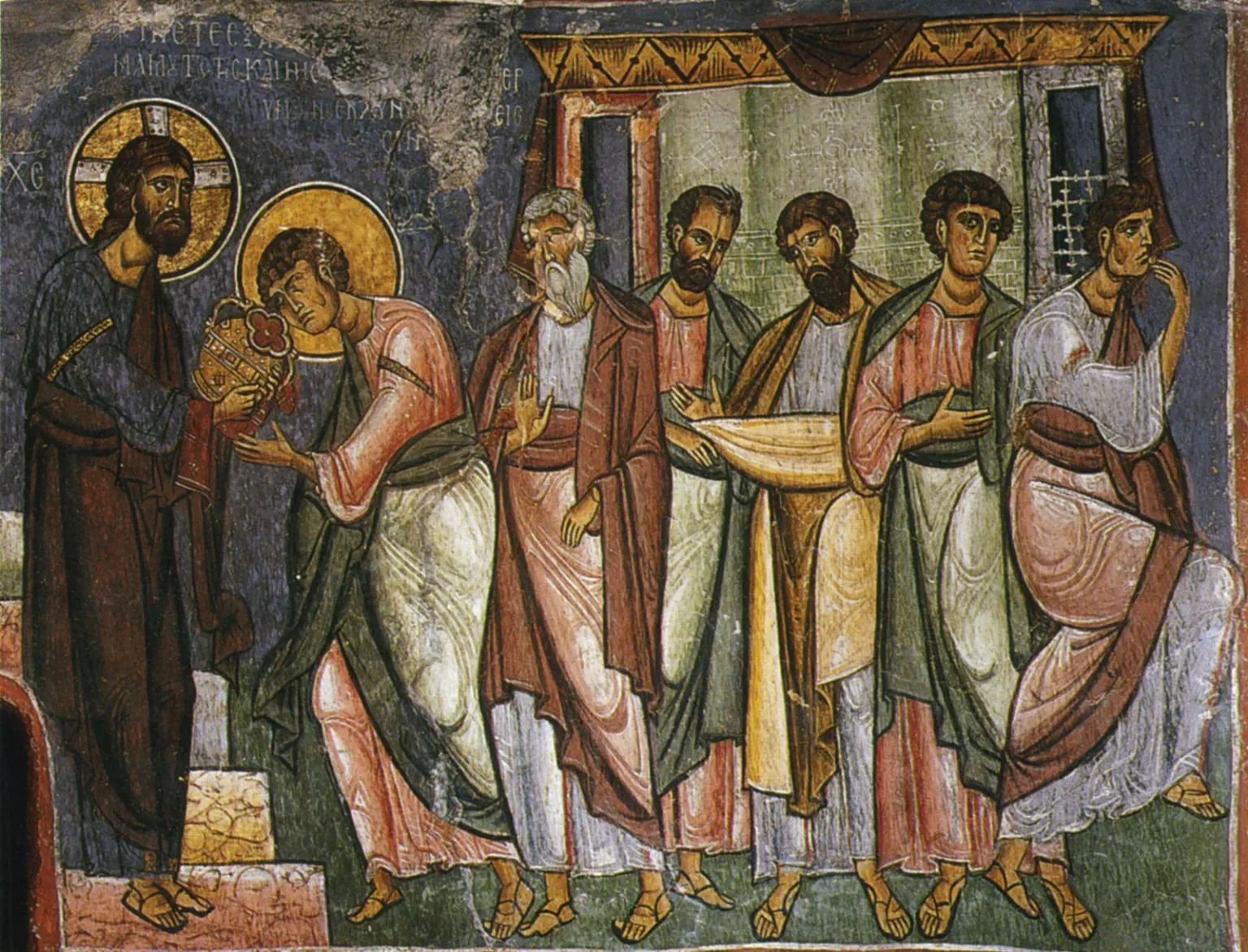
    36. Allora Jesus è andato con i suoi disciples ad un posto denominato Gethsemane ed ha detto a loro, “sieda qui mentre vado là e prego.„
    37. Ha preso Peter ed i due figli di Zebedee con lui ed ha cominciato ad essere doloroso e si è disturbato.
    38. Allora ha detto a loro, “la mia anima è soprafata con dispiacere al punto della morte. Rimanga qui e mantengami la vigilanza con.„
    39. Andando poco un più lontano, è caduto con la sua faccia alla terra ed ha pregato, “il mio padre, se è possibile, può questa tazza essere preso da me. Tuttavia non come volontà, ma come voi.„
    40. Allora ha rinviato ai suoi disciples e che ha scoperto che loro dormono. “Potreste che gli uomini non mi mantengono la vigilanza con per un'ora?„ ha chiesto a Peter.
    41. “Guardi e preghi in modo che non cadiate nella tentazione. Lo spirito è disposto, ma il corpo è debole.„
    42. È andato via una seconda volta ed ha pregato, “il mio padre, se per questa tazza non è possibile essere tolto a meno che la beverà, può la vostra volontà essere fatto.„
    43. Quando ha ritornato, ha scoperto ancora che loro dormono, perché i loro occhi erano pesanti.
    44. Così li ha lasciati ed è andato via una volta di più ed ha pregato la terza volta, ad esempio la stessa cosa.

Quante volte Jesus (P) hanno ripetuto la preghiera in così piccolo periodo di tempo? 3 volte! Since we are discussing about “vain repetitions”, Jesus(P) is apparently making some “vain repetitions”, according to the missionary “logic” in interpreting Matthew 6:7!

But let us rescue this missionary from his predicament. Henry’s Concise Commentary states the following about the interpretation of Matthew 6:5-8.

[5-8] It is taken for granted that all who are disciples of Christ pray. You may as soon find a living man that does not breathe, as a living Christian that does not pray. If prayerless, then graceless. The Scribes and Pharisees were guilty of two great faults in prayer, vain-glory and vain repetitions. “Verily they have their reward;” if in so great a matter as is between us and God, when we are at prayer, we can look to so poor a thing as the praise of men, it is just that it should be all our reward. Yet there is not a secret, sudden breathing after God, but he observes it. It is called a reward, but it is of grace, not of debt; what merit can there be in begging? If he does not give his people what they ask, it is because he knows they do not need it, and that it is not for their good. So far is God from being wrought upon by the length or words of our prayers, that the most powerful intercessions are those which are made with groanings that cannot be uttered. Let us well study what is shown of the frame of mind in which our prayers should be offered, and learn daily from Christ how to pray.[1]

We also read the following in The Wycliffe Bible Commentary:

Vain repetitions (i.e., babbling speech) are characteristic of pagan (heathen or Gentile) praying, as ostentation is of hypocrites. Such action regards prayer as an effort to overcome God’s unwillingness to respond by wearying him with words. Yet it is not mere length nor repetition that Christ condemns (Jesus prayed all night, Luke 6:12, and repeated his petitions, Matt 26:44), but the unworthy motive that prompts such religious acts.[2]

The following appears in the HarperCollins Bible Commentary:

Jesus affirms that God does reward those who practice piety “in secret” . . . The theme of heavenly reward is present elsewhere in Matthew . . . and is more prominent in this Gospel than in the others. Three instances of piety are mentioned: almsgiving (6:2-4), prayer (6:7-15), and fasting (6:16-18). The assumption is that Jesus’ followers will do all these things. Almsgiving referred to charitable contributions above and beyond the stipulated tithes and offerings everyone was expected to make. Prayer included the practice of reciting certain memorized or liturgical prayers at key times of the day (the Shema was to be said twice; the Eighteen Benedictions, three times). The section on praying is interrupted by a presentation of the Lord’s Prayer. Fasting meant going without food entirely or, sometimes, adopting a restricted diet in penitence for one’s sin, in observance of a national day, as an expression of mourning, or simply as a way of strengthening one’s communion with God….[3]

In other words, Jesus (P) was not criticising “repetitions” of prayer, but rather, the excessive, repetitive noise of groanings that the Scribes and Pharisees during Jesus’ (P) time were fond of doing in prayer. A study of the historical context within what Jesus(P) said should be examined before the missionary make these accusations of “vain repetitions” towards the Muslims!

And only God knows best.

References

[1] Matthew Henry’s Commentary on the Whole Bible: New Modern Edition, Electronic Database. Copyright (c) 1991 by Hendrickson Publishers, Inc.

[2] The Wycliffe Bible Commentary, Electronic Database. Copyright (c) 1962 by Moody Press.

[3] HarperCollins Bible Commentary, Revised Edition. General Editor James L. Mays, 2000 pp. 876

Leave a Reply

You must be logged in to post a comment.