The Myth of “The Myth of Moderate Islam”
In a recent article in The Spectator magazine in the UK, the evangelical leader Patrick Sookhdeo takes a swipe at…

Nabeel Qureshi died at the age of 34 years old in 2017 from a “rare and deadly form of stomach cancer" on 16th of September 2017 with mixed reactions.
Read more
In a recent article in The Spectator magazine in the UK, the evangelical leader Patrick Sookhdeo takes a swipe at…

There is an ongoing slander campaign against Islam, claiming that it is a religion that promotes violence and hinting that…

Having been on both sides of the veil, I can tell you that Western male politicians and journalists have no…

This study dismantles the al-zuṭṭ hadith polemic through close reading, lexicography, and narrative control. By restoring context to yarkabūn, examining transmission variants, and comparing Semitic…
Read moreThis study dismantles the al-zuṭṭ hadith polemic through close reading, lexicography, and narrative control. By restoring context to yarkabūn, examining…
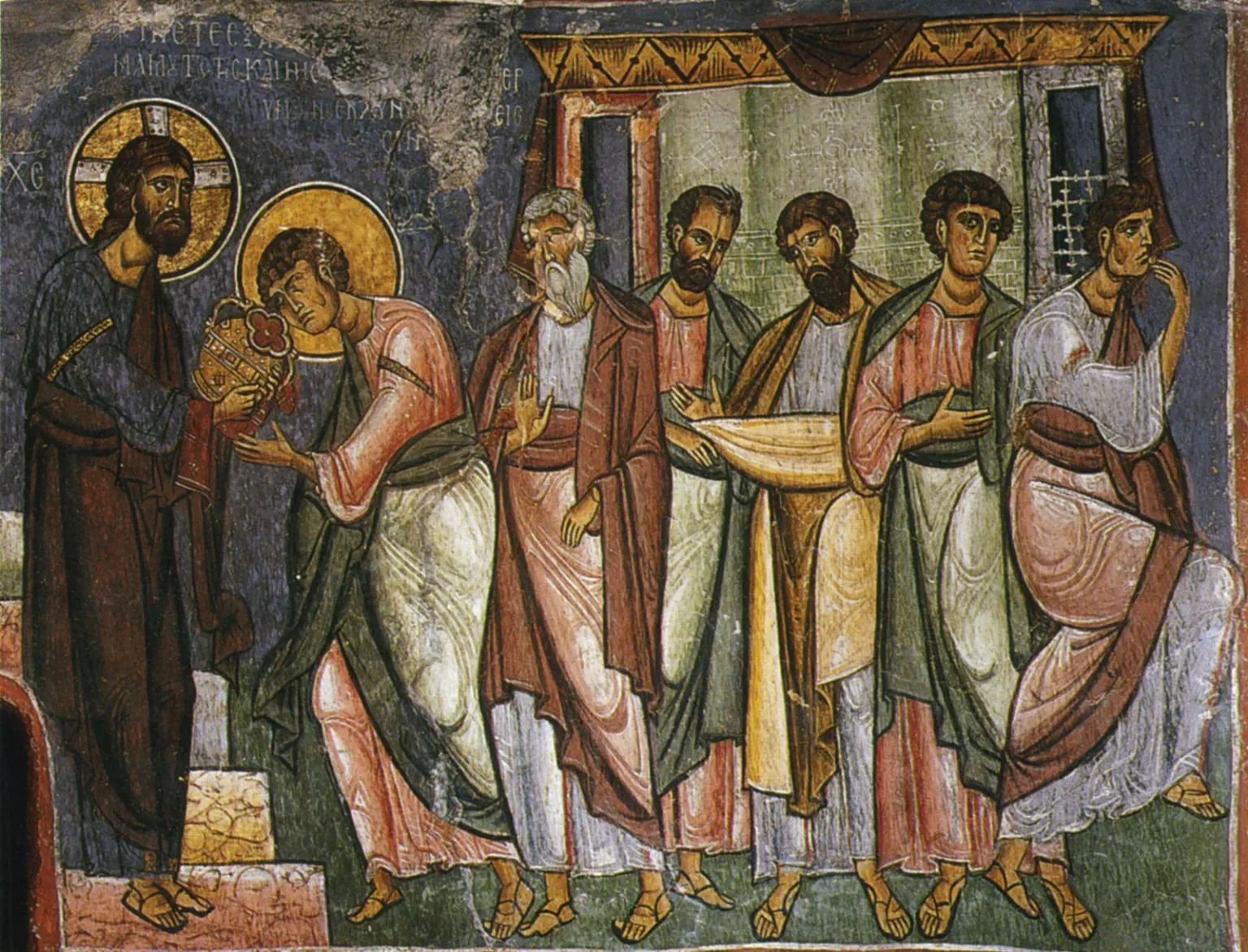
Early Christianity lacked a single, unified theology. This article shows how later “orthodoxy” emerged through historical consolidation rather than original…

The death of Muhammad ﷺ examined through Qur’anic language, hadith context, and history, exposing how poison claims rely on misreading…

Nabeel Qureshi died at the age of 34 years old in 2017 from a “rare and deadly form of stomach…
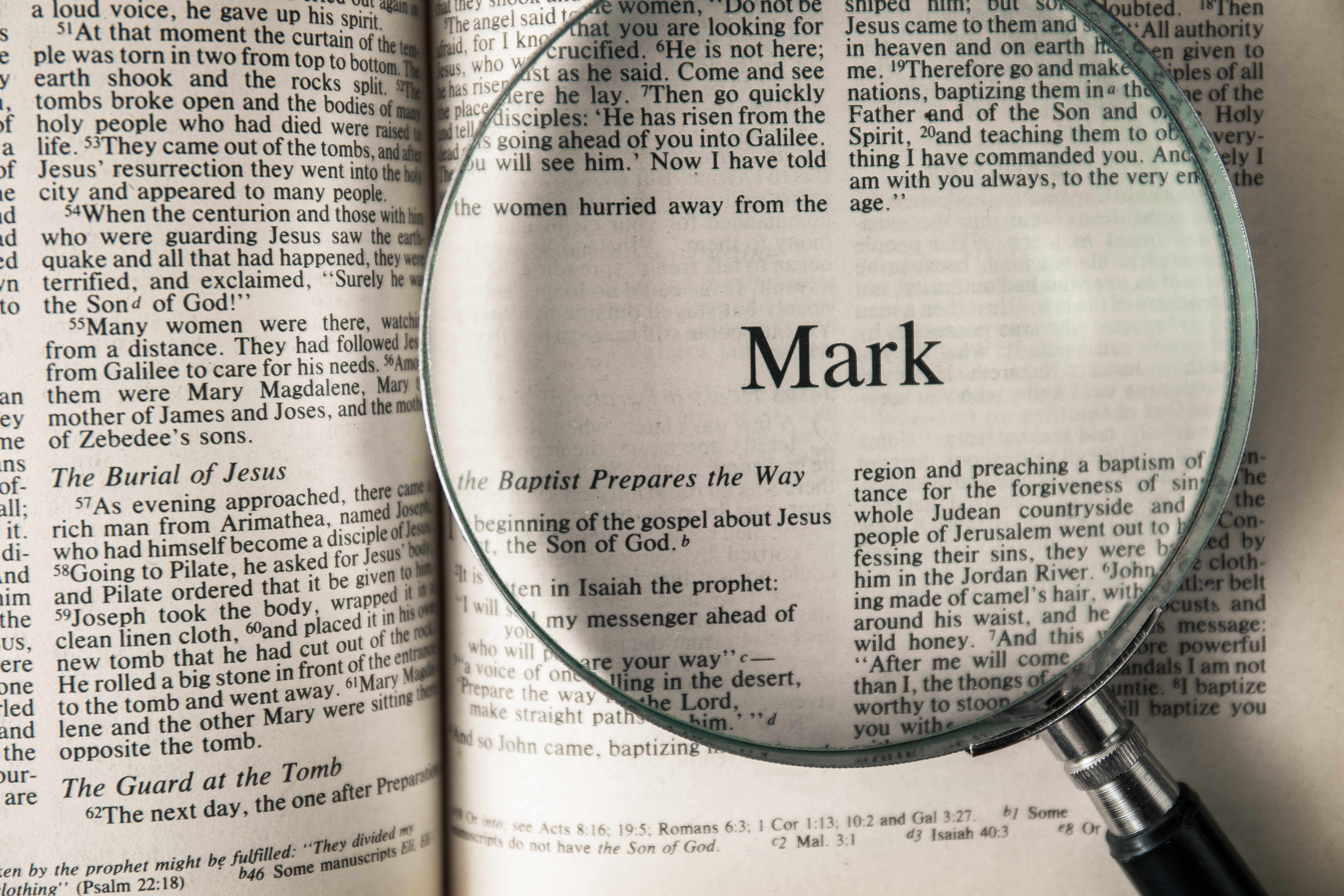
But the first of the four gospels, i.e., the Gospel according to Mark, apparently did not receive Paul’s memo. And…
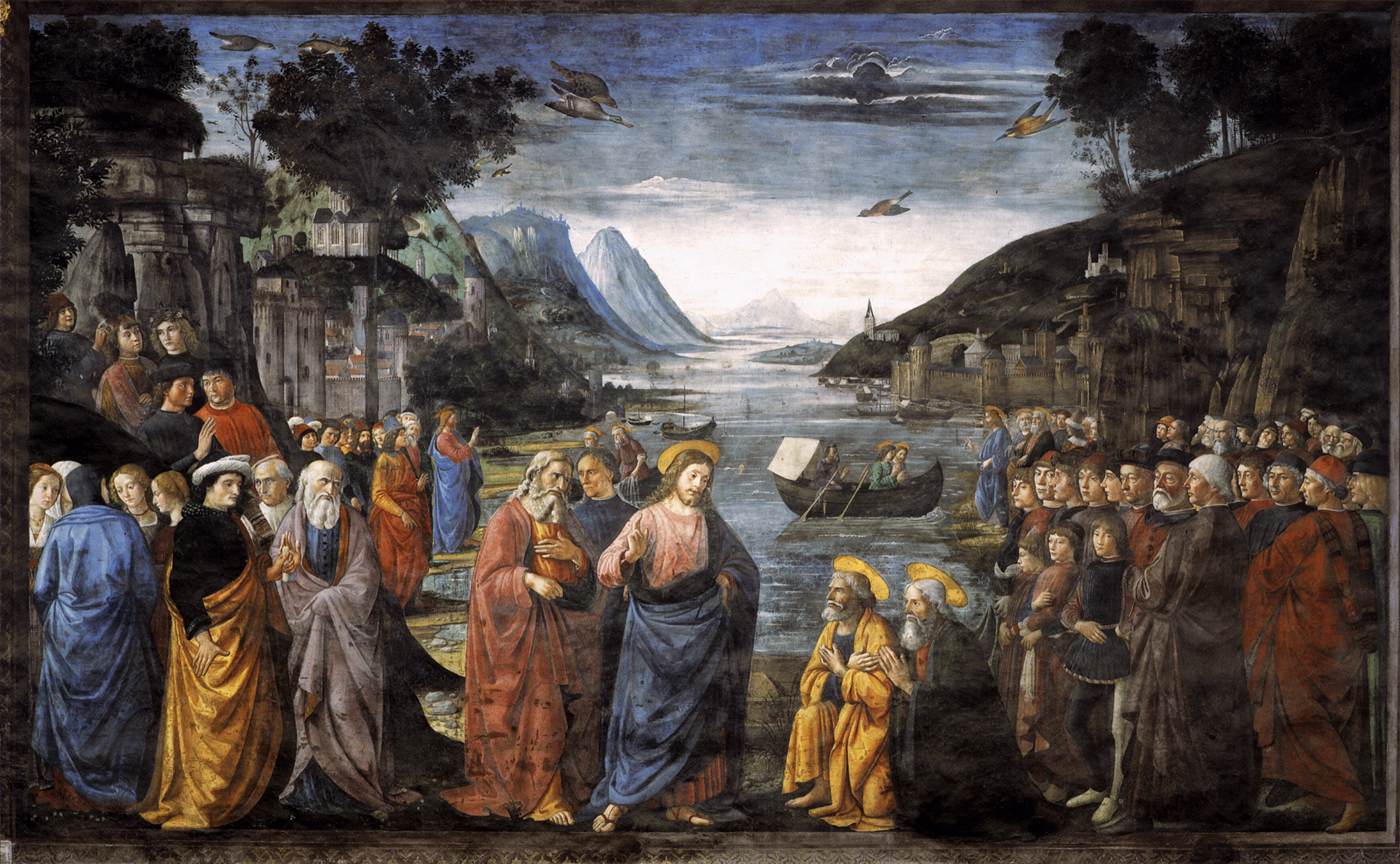
So which is the correct Gospel account concerning the choice of Jesus' first apostles? The following Bible contradiction was extracted…