Christmas and its pagan origins Vianoce a ich pohanské korene

Published on: Publikované dňa:

Monday 25 Dec, 2006 Pondelok 25 decembra 2006

Email This PostPrint This Post

If you're new here, you may want to get regular updates via Ak ste tu nový, možno budete chcieť získať pravidelné aktualizácie cez RSS feed RSS feed . . Thank you for visiting! Ďakujeme vám za návštevu!

Exar Kun Exar Kun

Few people realize that the origins of a form of Christmas was pagan and celebrated in Europe long before anyone there had heard of Len málo ľudí si uvedomiť, že pôvod formy vianočné bola pohanská a oslávila v Európe, dlho predtým, než tam niekto počul Jesus Ježiš (P). (P). No one knows what day Jesus (P) was born on. Nikto nevie, čo deň Ježiš (P) sa narodila. From the Biblical description, most historians believe that his birth probably occurred in September, approximately six months after Passover. Z biblického opisu, väčšina historikov verí, že jeho narodenia pravdepodobne nastal v septembri, zhruba šesť mesiacov po pesach. One thing they agree on is that it is very unlikely that Jesus was born in December, since the Jedna vec sa dohodnú na je, že je veľmi nepravdepodobné, že Ježiš sa narodil v decembri, pretože Bible Biblie records shepherds tending their sheep in the fields on that night. This is quite unlikely to have happened during a cold Judean winter. záznamy pastieri inklinovať svoje ovce do polí na tú noc. To je dosť pravdepodobné, že by sa stalo, počas studenej zimy Júdu. So why do we celebrate Christ's birthday as Christmas, on December 25th? Tak prečo slávime Kristovo narodenie ako vianočný, 25. decembra?

The answer lies in the pagan origins of Christmas. In ancient Babylon, the feast of the Son of Isis (goddess of nature) was celebrated on December 25. Raucous partying, gluttonous eating, drinking and gift-giving were traditions of this feast. Odpoveď spočíva v pohanské korene Vianoc. V starovekom Babylone, sviatok Syn Isis (bohyne prírody), bol oslavovaný 25. decembra. Chrapľavý párty, nenásytný jedlom, pitím a dar-dávať boli tradície tohto sviatku.

In Rome, the Winter Solstice was celebrated many years before the birth of Christ. The Romans called their winter holiday V Ríme, zimný slnovrat bol oslavovaný mnoho rokov pred narodením Krista. Rimania nazývali svoju zimnú dovolenku “Saturnalia” "Saturnalia" , honoring Saturn, the god of agriculture. In January, they observed the Kalends of January, which represented the triumph of life over death. , Ctiť Saturn, boh poľnohospodárstva. V januári, pozorovali Kalends januára, čo predstavovalo víťazstvo života nad smrťou. This whole season was called Dies Natalis Invicti Solis , Celá tahle sezóna bola len Dies Natalis Solis Invicta, the birthday narodeniny of the Unconquered Sun. z unconquered nie.

The festival season was marked by much merrymaking. Festivalová sezóna bola poznamenaná veľmi veselí. It is in ancient Rome that the tradition of the Mummers was born. Je v starovekom Ríme, že tradície Maskary sa narodil. The Mummers were groups of costumed singers and dancers who traveled from house to house entertaining their neighbors. Maskary boli skupiny kostýmoch spevákov a tanečníkov, ktorí cestovali od domu k domu zábavné svojich susedov. From this, the Christmas tradition of caroling was born. Z tejto, narodil sa tradície vianočné koledování.

In northern Europe, many other traditions that we now consider part of Christmas worship were begun long before the participants had ever heard of Christ. The pagans of northern Europe celebrated their own winter solstice, known as V severnej Európe, veľa iných tradícií, ktoré teraz považujú za súčasť uctievania Vianoce začali dlho predtým, než účastníci počulo o Kristovi. Pohania severnej Európy oslávila svoje vlastné zimného slnovratu, známy ako Yule Vianoce . Yule was symbolic of the pagan sun god, Mithras, being born, and was observed on the shortest day of the year . . Yule bol symbolom boha slnka pohana, Mithras, rodia, a bol pozorovaný na najkratší deň v roku. As the sun god grew and matured, the days became longer and warmer. Ako boh slnka rástol a zrel, sa stal dni dlhšie a teplejšie. It was customary to light a candle to encourage Mithras and the sun to reappear next year. To bolo obvyklé svetlo sviečky na podporu Mithras a slnko sa znovu objaví v budúcom roku. Huge Yule logs were burned in honor of the sun. Obrovské Yule Záznamy boli spálené na počesť slnka. The word Yule itself means “wheel”, the wheel being a pagan symbol for the sun. Slovo Yule sám znamená "koleso", bicykel je pohanský symbol slnka. Mistletoe was considered a sacred plant, and the custom of kissing under the mistletoe began as a fertility ritual. Imelo bolo považované za posvätné rastliny, a zvyk bozkávanie pod imelom začal ako plodnosť rituál. Holly berries were thought to be a food of the gods. Holly bobule boli považované za jedlo bohov.

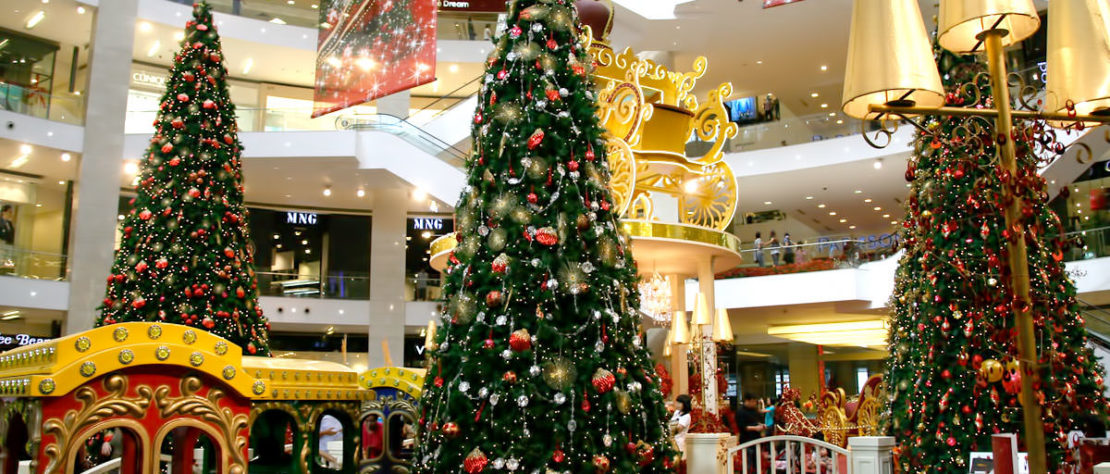
The tree is the one symbol that unites almost all the northern European winter solstices. Strom je jeden symbol, ktorý spája takmer všetky severnej európskej zimy slnovrat. Live evergreen trees were often brought into homes during the harsh winters as a reminder to inhabitants that soon their crops would grow again. Live vždyzelené stromy boli často uvedené do domovov počas krutej zimy ako pripomienka na obyvateľa, že čoskoro ich plodiny by sa znovu rast. Evergreen boughs were sometimes carried as totems of good luck and were often present at weddings, representing fertility. Evergreen vetvy boli niekedy vykonali ako totemy šťastie a bol často prítomný na svadbách, čo predstavuje plodnosť. The Druids used the tree as a religious symbol, holding their sacred ceremonies while surrounding and worshipping huge trees. Druids používané strom ako náboženský symbol, držia svoje posvätné obrady, zatiaľ čo okolité a uctievanie obrovské stromy.

In the year 350 AD, Pope Julius I declared that Christ's birth would be celebrated on December 25. V roku 350 nášho letopočtu, pápež Julius som deklaroval, že Kristovho narodenia by sa oslavuje 25. decembra. There is little doubt that he was trying to make it as painless as possible for pagan Romans (who remained a majority at that time) to convert to Nie je pochýb o tom, že sa snaží, aby ju bezbolestne čo najviac pohana Rimanmi (kto zostal väčšinou v tej dobe), previesť na Christianity Kresťanstvo . The new religion went down a but easier, knowing that their feasts would not be taken away from them . . Nového náboženstva išla dole, ale jednoduchšie, pretože vedel, že ich sviatky by nemali byť brané preč od nich. Christmas ( Christ-Mass ) as we know it today, most historians agree, began in Germany, though Catholics and Lutherans still disagree about which church celebrated it first. Vianoce (Christ-Mass), ako ho poznáme dnes, väčšina historikov súhlasí, začala v Nemecku, aj keď katolíci a luteráni stále nezhodujú na tom, ktorý cirkev oslavuje ako prvý. The earliest record of an evergreen being decorated in a Christian celebration was in 1521 in the Alsace region of Germany. Najstarší záznam o evergreen sú vyzdobené v kresťanskej oslavy bol v roku 1521 v Alsasku Nemecka. A prominent Lutheran minister of the day cried blasphemy: “Better that they should look to the true tree of life, Christ” The controversy continues even today in some fundamentalist sects. Prominentnú Lutheran minister deň volal rúhanie: "Lepšie, že by mali pozrieť na skutočný strom života, Krista" kontroverzia pokračuje aj dnes v niektorých fundamentalistických siekt.

  • Digg
  • Facebook
  • Google Bookmarks
  • LinkedIn
  • del.icio.us
  • MySpace
  • Live
  • NewsVine
  • Propeller
  • Reddit
  • BlinkList
  • Sphinn
  • StumbleUpon
  • SphereIt
  • Technorati
  • Tumblr
  • Fark
  • Yahoo! Buzz
  • Posterous
  • Twitter

2 Responses for 2 Citlivosť prístroja pre "Christmas and its pagan origins" "Vianoce a pohanské korene"

  1. Shadowofears says: Shadowofears hovorí:

    Christmas festivals today incorporate many other pagan customs, such as the use of holly, mistletoe, Yule logs, and wassail bowls. Vianočné sviatky dnes obsahujú mnoho ďalších pohanské zvyky, ako napríklad využitie Holly, imelo, vianočné logami a radovánky misy. The Christmas tree itself is the most obvious aspect of ancient pagan celebrations which were later incorporated into church rites. Vianočný strom sám o sebe je tou najnápadnejší aspekt starovekých pohanských slávností, ktoré boli neskôr začlenené do kostola obrady. Scholars believe that the Christian celebration was originally derived in part from rites held by pre-Christian Germanic and Celtic peoples to celebrate the winter solstice. Učenci sa domnievajú, že kresťanská oslava bola pôvodne čiastočne odvodená od rituálov v držbe pre-kresťanské germánske a keltské národy, aby oslávili zimný slnovrat. The Christmas tree, an evergreen trimmed with lights and other decorations, because it keeps its green needles throughout the winter months, was believed by pre-Christian pagans to have special powers of protection against the forces of nature and evil spirits. Vianočný strom, evergreen zdobené so svetlami a ďalšie dekorácie, pretože udržiava svoje zelené ihlice po celé zimné obdobie mesiaca, bol veril pre-kresťanské pohania majú špeciálne právomoci ochrany proti silám prírody a zlých duchov. The end of December marked the onset of a visible lengthening of daylight hours – the return of warmth and light and defeat of those evil forces of cold and darkness. Konci decembra označil nástup viditeľné predĺženie denného svetla - návrat tepla a svetla a zabitie tých zlých síl chladu a tme. The Christmas tree is derived from the so-called paradise tree, symbolizing Eden, of German mystery plays. Vianočný stromček je odvodený od takzvaný raja strom symbolizujúca Eden, nemeckých Pašijových hier. The use of a Christmas tree began early in the 17th century, in Strasbourg, France, spreading from there through Germany, into northern Europe and Great Britain, and then on to the United States. Použitie vianočný stromček začala na začiatku 17. storočia, v Štrasburgu, Francúzsko, šírenie odtiaľ cez Nemecko, do severnej Európe a Veľkej Británii, a potom na Spojené štáty.

    Christmas is not the only Christian festival which was borrowed from ancient paganism and foisted upon the religion of Jesus . Vianoce nie sú len kresťanské sviatky, ktorý bol požičal si od starovekého pohanstva a vnútený na náboženstvo Ježiša. There is also Easter, the Feast of St. John, the Holy communion, the Annunciation of the virgin, the assumption of the virgin, and many others have their roots in ancient pagan worship. Tam je tiež Veľká noc, sviatok sv John, spoločenstvo svätého, Zvestovania Panny Márie, Nanebovzatie Panny Márie, a mnoho ďalších majú svoje korene v dávnych pohanských bohoslužieb. Since we can not get into the details here, therefore, the interested reader is encouraged to consult the above books. Vzhľadom k tomu nemôžeme dostať do podrobnosti tu, a preto je záujem čitateľa vyzývajú, aby prekonzultovať vyššie uvedenej knihy.

    Many people object to people who advise them not to introduce new and innovative practices into their religion, even if they were only to be festivals and celebrations. Mnoho ľudí proti ľuďom, ktorí im radia, aby zavádzanie nových a inovatívnych postupov do svojho náboženstva, aj keď oni boli len aby bol festivaly a oslavy. They object “what could it hurt if I were to worship God and thank Him for his blessings on this day when pagans performed their worship? Oni objekt ", čo by to bolelo, keby som k uctievanie Boha a poďakovať mu za jeho požehnanie v tento deň, keď pohania vykonáva ich uctievanie? I am not worshipping idols.” For this we only need to read the very explicit prohibition of God in this regard which He Himself emphatically declared in the Bible: Nejsem uctievať idoly. "Na to stačí prečítať veľmi explicitný zákaz Boha v tomto smere, ktoré on sám dôrazne vyhlásil v Biblii:

    “Take heed to thyself that thou be not snared by following them (pagans), after that they be destroyed from before thee; and that thou inquire not after their gods, saying, How did these nations serve their gods? "Chráň sa, abys byť zrazeného po nich (pohania), po tom byť zničené pred tebou, a že tie pýtať nie po bohoch svojich, vraveli: Ako slúžili tieto národy svojim bohom? even so will I do likewise. Aj tak budem postupovať rovnako. (Deuteronomy 12:30)” (Deuteronómium 12:30) "

    There is a good reason why God commands us to do things. Existuje dobrý dôvod, prečo Boh prikazuje nám robiť veci. Just because we do not know the wisdom behind a prohibition does not give us the freedom to disregard it. Len preto, že nevieme, či je múdre za zákaz nedáva nám slobodu neprihliadať. Indeed, it is exactly such willingness to “adapt” and “compromise” which eventually lead to the loss of the message of Jesus. V skutočnosti je to presne taká ochota "prispôsobiť sa" a "kompromis", ktorý nakoniec viesť k strate posolstvo Ježiša.

  2. Tarek Tarek says: hovorí:

    From Od http://www.guidetosalvation.com http://www.guidetosalvation.com This is part of the article, it is very in-depth with illustrations. Toto je časť tohto článku, je veľmi in-hĺbka s ilustráciami.

    “Event by event, we found we were able to construct Jesus' supposed biography from mythic motifs previously relating to Osiris-Dionysus: "Udalosť v prípade, sme zistili, sme boli schopní postaviť Ježiša 'má biografie od mýtické motívy predtým týkajúce sa Osiris-Dionysus:
    ?Osiris-Dionysus is God made flesh, the savior and “Son of God.” ? Osiris-Dionysus je Boh stvoril telo, záchranca a "Syn Boží."

    ?His father is God and his mother is a mortal Virgin. ? Jeho otec je boh a jeho matka je smrteľný Virgin.

    ?He is born in a cave or humble cowshed on December 25 before three Shepard's. ? On sa narodil v jaskyni alebo pokorným Kravín 25. decembra pred tromi Shepard je.

    ?He offers his followers the chance to be born again through the rites of baptism. ? On ponúka svoje nasledovníkmi šancu sa narodiť znova prostredníctvom obradov krstu.

    ?He miraculously turns water into wine at a marriage ceremony. ? Ako zázrakom zmení vodu na víno pri svadobný obrad.

    ?He rides triumphantly into town on a donkey while people wave palm leaves to honor him. ? Jede víťazne do mesta na oslovi, zatiaľ čo ľudia vlna palmové listy ctiť ho.

    ?He dies at Eastertime as a sacrifice for the sins of the world. ? Zomiera na Eastertime ako obeť za hriechy sveta.

    ?After his death he descends to hell, then on the third day he rises from the dead and ascends to heave in glory. ? Po jeho smrti sa zostupuje do pekla, potom na tretí deň, keď sa zdvihne z mŕtvych a stúpa k objaviť sa na sláve.

    ?His followers await his return as the judge during the Last Days. ? Jeho nasledovníci vyčkať jeho návratu ako sudca počas posledných dní.

    ?His death and resurrection are celebrated by a ritual meal of bread and wine, which symbolizes his body and blood. ? Jeho smrť a vzkriesenie sa oslavuje od rituálne jedlo chleba a vína, ktoré symbolizuje jeho telo a krv.

    These are just some of the motifs shared between the tales of Osiris-Dionysus and the biography of Jesus. To sú len niektoré z motívov rozdelená medzi príbehy Osiris-Dionysus a životopis Ježiša. Why are these remarkable similarities not common knowledge? Prečo sú tieto pozoruhodné podobnosti nie je všeobecne známe? Because, as we were to discover later, the early Roman Church did everything in its power to prevent us perceiving them. Vzhľadom k tomu, ako sme mali objaviť neskôr, na začiatku rímskej cirkvi urobil všetko, čo je v jej silách, aby sa zabránilo nás vnímajú. It systematically destroyed Pagan sacred literature in a brutal program of eradicating the Mysteries, a task it performed so completely that today Paganism is regarded as a “dead” religion. Je systematicky ničiť Pagan posvätnej literatúry v brutálny program vykoreniť tajomstvo, úlohu vykonať tak dokonale, že dnes pohanstva je považovaný za "mŕtvy" náboženstvo.

    Although surprising to us now, to writers of the first few centuries CE these similarities between the new Christian religion and the ancient Mysteries were extremely obvious. Hoci prekvapujúce pre nás teraz, na spisovatelia prvých storočí CE tieto podobnosti medzi nové kresťanské náboženstvo a starovekých mystérií boli veľmi jasné. Pagan critics of Christianity, such as the satirist Celsus, complained that this recent religion was nothing more than a pale reflection of their own ancient teachings. Pagan kritiky kresťanstvo ako satirik Celsus, si sťažoval, že táto nedávna náboženstvo nie je nič viac ako bledý odraz ich vlastných dávnych učenia. Early “Church fathers,” such as Justin Martyr, Tertullian, and Irenaeus, were understandably disturbed and resorted to the desperate claim that these similarities were the result of diabolical mimicry. Predčasné "cirkevných otcov", ako sú Justin mučeník, Tertullian a Irenaeus, boli pochopiteľne narušený, a uchýlil sa k zúfalým tvrdenie, že tieto podobnosti boli výsledkom diabolské mimikry. Using one of the most absurd arguments ever advanced, they accused the Devil of “plagiarism by anticipation,” of deviously copying the true story of Jesus before it had actually happened in an attempt to mislead the gullible. Pomocou jedného z najviac absurdné tvrdenia vôbec pokročilých, ktoré obvinili z Devil "plagiátorstvo podľa očakávania," z vychytrale kopírovanie skutočný príbeh Ježiša pred tým, než sa skutočne stalo v snahe uviesť do omylu naivný. These Church fathers struck as as no less devious than the Devil they hoped to incriminate.” Tieto cirkevní otcovia udrel as, nie menej ako nevyspytateľný Devil oni dúfali, že obviniť. "

    Leave a Reply Required

    You must be Tie musia byť logged in prihlásený to post a comment. aby ste mohli písať komentár.