If you're new here, you may want to get regular updates via Se siete nuovi qui, potrebbe essere utile per ottenere gli aggiornamenti regolari via RSS feed RSS feed . . Thank you for visiting! Grazie per la visita!
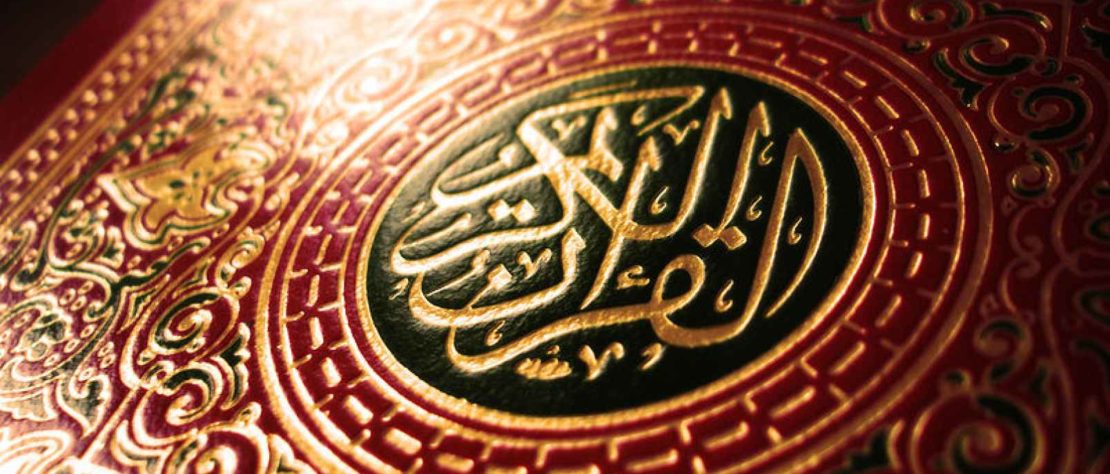
If you ask what is the best method of tafsir , the answer is that the best way is to explain the Qur'an through the Qur'an . Se chiedete quale sia il metodo migliore per Tafsir, la risposta è che il modo migliore è quello di spiegare il Corano attraverso il Corano. For, what the Qur'an alludes to at one place is explained at the other, and what it says in brief on one occasion is elaborated upon at the other. Infatti, ciò che il Corano allude a un luogo è spiegato l'altra, e ciò che dice in breve in una sola occasione è elaborato sulla dall'altra. But if this does not help you, you should turn to the Sunnah, because the Sunnah explains and elucidates the Qur'an. Ma se questo non ti aiuta, è necessario rivolgersi al Sunna, perché la Sunnah spiega e chiarisce il Corano. Imam Abu `Abd Allah L'imam Abu `Abd Allah Muhammad Muhammad ibn Idris al-Shafi`i has said: “All that the Prophet, peace be upon him, has said is what he has derived from the Qur'an.” ibn Idris al-Shafi `i ha detto:" Tutto quello che il Profeta, la pace sia su di lui, ha detto è quello che ha derivato dal Corano ".
Allah has said: Allah ha detto:
“We have sent down to you the book in truth that you may judge between men, as Allah guides you; so don't be an advocate for those who betray their trust.” (al-Qur'an, 4:105) "Ci hanno fatto scendere per voi il libro in verità che si può giudicare tra gli uomini, come guide Allah, così non essere uno avvocato per coloro che tradiscono i loro trust." (Al-Corano, 4:105)
“We have sent down to you the message that you may explain clearly to people what has been sent to them, and that they think over it.” (al-Qur'an, 16:44) "Abbiamo fatto scendere su di voi il messaggio che si può spiegare alla gente cosa è stata inviata a loro, e che pensano su di esso." (Al-Corano, 16:44)
“We sent down the Book to you for the express purpose that you should make clear to them those things in which they differ, and that it should be a guide and a mercy to those who believe.” (al-Qur'an, 16:64) "Abbiamo fatto scendere il Libro a voi per l'esplicito scopo che si deve mettere loro in evidenza quelle cose in cui si distinguono, e che dovrebbe essere una guida e misericordia per coloro che credono." (Al-Qur'an, 16 : 64)
This is why the Prophet(P) said: “Know that I have been given the Qur'an and something like it” È per questo che il Profeta (P) ha detto: "Sappi che mi è stato dato il Corano e qualcosa di simile"
1 1 , namely the Sunnah. , Vale a dire la Sunnah. In fact, the Sunnah, too has been given to him through wahy as the Qur'an, except that it has not been recited to him as the Qur'an. In effetti, la Sunna, troppo è stato dato a lui attraverso wahy come il Corano, salvo che non sia stato recitato a lui come il Corano. Imam al-Shafi`i and other scholars have advanced a number of arguments in support of this point; but this is not the place to quote them. Imam al-Shafi `i, e altri studiosi hanno avanzato una serie di argomenti a sostegno di questo punto, ma questo non è il luogo di proteggerli. 2 2
In order to understand the Qur'an, you should first look to the Qur'an itself. Al fine di comprendere il Corano, è necessario innanzitutto guardare al Corano stesso. If that does not help, then turn to the Sunnah. Se questo non aiuta, quindi girare a Sunnah. The Prophet(P) sent Mu`adh(R) to Yemen and asked him: “How will you judge the cases (that come to you)?” He replied: “I will judge according to the Book of Allah”. Il Profeta (P) ha inviato Mu `adh (R) per lo Yemen e gli chiese:" Come vi giudicheranno i casi (che vengono a voi)? "Egli rispose:" Io giudicare secondo il Libro di Allah ". “But if you do not get anything there, what will you do?”, the Prophet(P) asked. "Ma se non si ottiene nulla lì, che cosa farete?", Il Profeta (P) ha chiesto. He said: “I will refer to the Sunnah of the Prophet(P)”. Egli ha detto: "Mi farà riferimento al Sunnah del Profeta (P)". “But if you do not get it even there, what will you do?”, the Prophet(P) asked again. "Ma se non si ottiene ancora lì, che cosa farete?", Il Profeta (P) ha chiesto di nuovo. He replied: “I will exercise my judgment.” Hearing this the Prophet(P) patted Mu`adh(R) on the shoulder and said: “Praise be to Allah who has guided the Messenger of His Messenger to what pleases His Messenger.” This Egli rispose: "Io esercitare il mio giudizio». Udendo questo il Profeta (P) accarezzò Mu `adh (R) sulla spalla e disse:" Lode ad Allah che ha guidato il Messaggero di Suo Messaggero di quanto piace il Suo Messaggero. "Questo hadith hadith has been reported in the Musnad and Sunan collections of hadith with a good isnad . è stata riportata nel Musnad e raccolte di hadith Sunan con un Isnad bene. 3 3
When you do not get any help from the Qur'an or the Sunnah, turn to the words of the companions. Quando non si ottiene alcun aiuto dal Corano o della Sunna, a sua volta le parole dei compagni. For they know the Qur'an better: they have witnessed its revelation, and passed through the situations in which it was revealed: and know it and understand it fully. Perché conoscono il Corano meglio: hanno testimoniato la sua rivelazione, e passata attraverso le situazioni in cui è stato rivelato: e conoscerla e comprenderla pienamente. This is particularly true of the scholars and leaders such as the Four Righteous Caliphs and `Abdullah ibn Mas`ud. Ciò è particolarmente vero per gli studiosi e leader come Giusti quattro califfi e `Mas Abdullah ibn` ud. Imam Abu Ja`afar Muhammad ibn Jair al-Tabari reports: Abu Karayb narrated to us, saying: Jabir ibn Nuh informed us that: al-A`mash informed us from Abu Duha: from Masruq that `Abdullah ibn Mas`ud said: “By the one besides whom there none having the right to be worshipped, there is no verse in the Qur'an about which I do not know in whose case and at what place was it revealed. Imam Abu Ja `lontano Muhammad ibn relazioni Jair al-Tabari: Abu Karayb narrato a noi dicendo: Jabir ibn Nuh ci ha informato che: al-A» mash ci ha informato di Abu Duha: da Masruq che «Mas` ud ibn Abd Allah ha detto: "Con l'una, a parte che nessuno ci abbia diritto ad essere adorato, non vi è nessun versetto del Corano di cui non so in cui caso e in quale luogo è stato rivelato. If I were aware that anyone knew the Qur'an more than me, and I could reach him, I would certainly have gone to see him.” Se fossi consapevole del fatto che nessuno sapeva il Corano più di me, ed io riuscivo a raggiungere, sarei sicuramente andato a vederlo. " 4 4 Al-A`mash has also reported through Abu Wa`il that Ibn Mas`ud said: “When anyone of us learned ten verses of the Qur'an, he did not proceed further unless he had known what they meant and what action they demanded.” Al-A »mash ha inoltre segnalato attraverso Abu Wa` il che Ibn Mas `ud ha detto:" Quando qualcuno di noi hanno imparato dieci versetti del Corano, non procedere ulteriormente a meno che non avesse saputo che cosa hanno significato e l'azione che richiesto. "
Another great scholar is `Abdullah ibn `Abbas(R), the nephew of the Prophet (P) and the commentator of the Qur'an. Un altro grande studioso è `Abdullah ibn` Abbas (R), il nipote del Profeta (P) e il commentatore del Corano. He attained that stature in virtue of the Prophet's prayer: “O Allah! Ha raggiunto la statura in virtù della preghiera del Profeta: "O Allah! Give him knowledge of Dategli la conoscenza delle Islam Islam and teach him the meaning of the Qur'an.” e insegnargli il significato del Corano ". 5 5 Muhammad ibn Bashshir narrated to us, that Waki` informed us, that Sufyan informed us from al-A`mash: from Musim (ibn Sabah Abu Duha) from Masruq: that `Abdullah ibn Mas`ud(R) said: “What a good interpreter of the Qur'an Ibn `Abbas is!” Ibn Jarir has also reported this hadith through Yahya ibn Dawud, from Ishaq al-Azraq, from Sufyan, from al-A`mash, from Muslim ibn Sabah Abu Duha, from al-Masruq with slightly different words: “What a good interpreter Ibn `Abbas is of the Qur'an!” He has also reported the same words through Bundar, from Ja`far ibn `Awn from al-A`mash. Muhammad ibn Bashshir narrato a noi, che ci ha informato »Waki, che ci ha informato di Sufyan al-A` mosto: da Musim (Ibn Sabah Abu Duha) da Masruq: che «Mas Abdullah ibn` ud (R) ha detto: "Che buon interprete del Corano, Ibn `Abbas è!" Ibn Jarir ha anche segnalato questo hadith attraverso Dawud ibn Yahya, da Ishaq al-Azraq, da Sufyan, da al-A `mash, da musulmano Ibn Sabah Abu Duha, da al -Masruq leggermente con parole diverse: "Che un buon interprete Ibn` Abbas è del Corano! "Egli ha inoltre riferito le stesse parole attraverso Bundar, da Ja` lontano `Awn ibn al-A» mash. These words are, therefore, the actual words of Ibn Mas`ud(R) which he said about Ibn `Abbas(R). Queste parole sono, pertanto, i termini reali di Ibn Mas `ud (R), che ha detto riguardo a Ibn` Abbas (R). Ibn Mas`ud(R) died, most probably, in 33 AH Ibn `Abbas(R) lived for thirty six years after him, and added a lot to the treasury of Islamic knowledge. Ibn Mas `ud (R) è morto, molto probabilmente, in 33 AH Ibn` Abbas (R) ha vissuto per trenta sei anni dopo di lui, e ha aggiunto molto al tesoro della conoscenza islamica.
Al-A`mash quotes from Abu Wa`il that Ibn `Abbas(R) was appointed leader of the Hajj by `Ali(R); he delivered a sermon and read from Surah al-Baqarah, or Surah al-Nasr according to another report, and explained it in such a way that had the Romans, Turks and the Dalamites heard it, they would have embraced Islam. Al-A »cita mash da Abu Wa` il che Ibn `Abbas (R) è stato nominato capo del Hajj da` Ali (R), ha pronunciato un sermone e leggere da Sura al-Baqarah, o Sura al-Nasr secondo un altro rapporto, e ha spiegato in modo tale che aveva i Romani, Turchi e la Dalamites sentito, avrebbero abbracciato l'Islam. This is the reason why most of what Isma`il ibn `Abd al-Rahman Saddi has written in tafsir consists of the explanations of these two scholars: Ibn Mas`ud(R) and Ibn `Abbas(R). Questo è il motivo per cui la maggior parte di ciò che Isma `Il ibn` Abd al-Rahman Saddi ha scritto nel tafsir consiste nella spiegazione di questi due studiosi: Mas Ibn `ud (R) e Ibn` Abbas (R).
An Introduction to the Principles of Tafsir , 1993 al-Hidaayah. Introduzione ai principi della Tafsir, 1993 al-Hidaayah. Taken from Tratto da Islaam.com Islaam.com