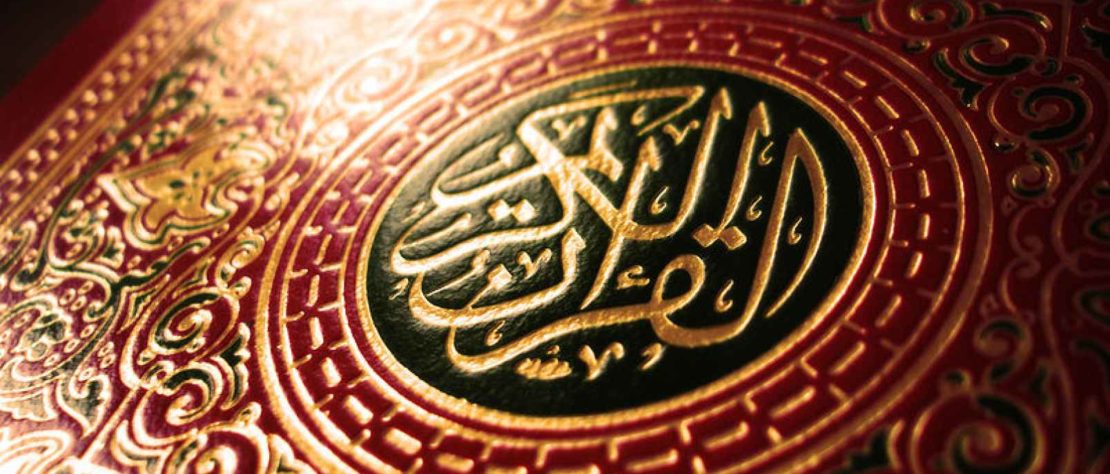
Se você perguntar o que é o mais melhor método tafsir, a resposta é que a mais melhor maneira é para explicar o Qur' com o Qur'. Para, o que o Qur' alludes em um lugar é explicado no outro, e o que diz no sumário em uma ocasião é elaborado upon na outra. Mas se isto não lhe ajudar, você deve girar para o Sunnah, porque o Sunnah explica e elucidates o Qur'. O `i do al-Shafi de Idris do ibn de Abd Allah Muhammad do `de Imam Abu disse: “Tudo que o Prophet, paz fosse em cima dele, disse é o que se derivou do Qur'.” Allah disse: “Nós emitimos-lhe para baixo o livro na verdade que você pode julgar entre homens, porque Allah o guia; assim não seja um advogado para aqueles que betray sua confiança.” (al-Qur', 4:105) “Nós emitimos-lhe para baixo a mensagem que você pode explicar claramente aos povos o que lhe foram emitidas, e que pensa sobre ele.” (al-Qur', 16:44) “Nós emitimos abaixo o livro a você para a finalidade expressa que você deve fazer claramente a eles 2 aquelas coisas em que diferem, e em que deve ser uma guia e uma mercê àqueles que acreditam.” (al-Qur', 16:64) Isto é porque o Prophet (P) dito: “Saiba que eu estive dado o Qur' e algo como ele”
A fim compreender o Qur', você deve primeiramente olhar ao Qur' próprio. Se isso não ajudar, gire então para o Sunnah. O Prophet (P) emitiu o `alimentador automático do papel de Mu (R) a Yemen e perguntou-lhe: “Como você julgará os casos (que lhe vêm)?” Respondeu: “Eu julgarei de acordo com o livro de Allah”. “Mas se você não começar qualquer coisa lá, que você fará? ”, o Prophet (P) perguntado.
Disse: “I will refer to the Sunnah of the Prophet(P)”. “But if you do not get it even there, what will you do?”, the Prophet(P) asked again. He replied: “I will exercise my judgment.” Hearing this the Prophet(P) patted Mu`adh(R) on the shoulder and said: “Praise be to Allah who has guided the Messenger of His Messenger to what pleases His Messenger.” This hadith has been reported in the Musnad and Sunan collections of hadith with a good isnad.3 When you do not get any help from the Qur’an or the Sunnah, turn to the words of the companions. For they know the Qur’an better: they have witnessed its revelation, and passed through the situations in which it was revealed: and know it and understand it fully. This is particularly true of the scholars and leaders such as the Four Righteous Caliphs and `Abdullah ibn Mas`ud. Imam Abu Ja`afar Muhammad ibn Jair al-Tabari reports: Abu Karayb narrated to us, saying: Jabir ibn Nuh informed us that: al-A`mash informed us from Abu Duha: from Masruq that `Abdullah ibn Mas`ud said: “By the one besides whom there none having the right to be worshipped, there is no verse in the Qur’an about which I do not know in whose case and at what place was it revealed. If I were aware that anyone knew the Qur’an more than me, and I could reach him, I would certainly have gone to see him.”4 Al-A`mash has also reported through Abu Wa`il that Ibn Mas`ud said: “When anyone of us learned ten verses of the Qur’an, he did not proceed further unless he had known what they meant and what action they demanded.” Another great scholar is `Abdullah ibn `Abbas(R), the nephew of the Prophet (P) and the commentator of the Qur’an. He attained that stature in virtue of the Prophet’s prayer: “O Allah! Give him knowledge of Islam and teach him the meaning of the Qur’an.”5 Muhammad ibn Bashshir narrated to us, that Waki` informed us, that Sufyan informed us from al-A`mash: from Musim (ibn Sabah Abu Duha) from Masruq: that `Abdullah ibn Mas`ud(R) said: “What a good interpreter of the Qur’an Ibn `Abbas is!” Ibn Jarir has also reported this hadith through Yahya ibn Dawud, from Ishaq al-Azraq, from Sufyan, from al-A`mash, from Muslim ibn Sabah Abu Duha, from al-Masruq with slightly different words: “What a good interpreter Ibn `Abbas is of the Qur’an!” He has also reported the same words through Bundar, from Ja`far ibn `Awn from al-A`mash. These words are, therefore, the actual words of Ibn Mas`ud(R) which he said about Ibn `Abbas(R). Ibn Mas`ud(R) died, most probably, in 33 A.H. Ibn `Abbas(R) lived for thirty six years after him, and added a lot to the treasury of Islamic knowledge. Al-A`mash quotes from Abu Wa`il that Ibn `Abbas(R) was appointed leader of the Hajj by `Ali(R); he delivered a sermon and read from Surah al-Baqarah, or Surah al-Nasr according to another report, and explained it in such a way that had the Romans, Turks and the Dalamites heard it, they would have embraced Islam. This is the reason why most of what Isma`il ibn `Abd al-Rahman Saddi has written in tafsir consists of the explanations of these two scholars: Ibn Mas`ud(R) and Ibn `Abbas(R). An Introduction to the Principles of Tafsir, 1993 al-Hidaayah. Taken from Islaam.com
1, a saber o Sunnah. No fato, o Sunnah, foi-lhe dado demasiado completamente wahy como o Qur', exceto aquele que não foi recited a ele como o Qur'. O `i do al-Shafi de Imam e outros scholars avançaram um número de argumentos na sustentação deste ponto; mas este não é o lugar para citá-los.2
Subscribe
Subscribe Articles With
Bloglines, Google Reader, My MSN, Netvibes, Newsburst
Newsgator, Odeo, Pluck, Podnova, Rojo, My Yahoo!, Desktop Reader
Leave a Reply
You must be logged in to post a comment.