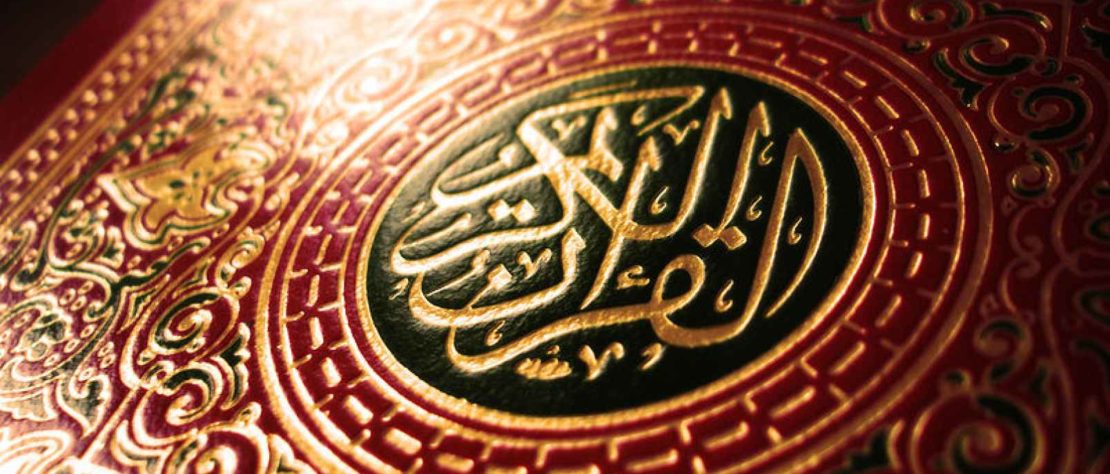
يكون هو يتلقّى دائما المبشرة تقليد أن ييقفز من واحدة إدعاء شنيعة إلى آخر في يحاول أن يوقن الطبيعة من "الله". يبدي نحن يتلقّى سابقا بعض من الأكثر نظريات عاديّة أنّ هم يستولدون, يتراوح من الله ([ت]) يكون ال "قمر إلهة" إلى [أر-رهمن] يكون عبارة ل "[بومغرنت]". أخيرة مبشرة زججت ادّعاء يتلقّى أيضا يكون ضدّ تحية [بتيفيك] من النبي [موهمّد] [سلّلّه] `[ألهي] [وا] [سلّم]. الآن جعلت مطالبة جديدة من المبشرة يتلقّى يكون داخل مادتهم , أيّ أنّ "الله" يكون مرادفة مع الإلهة [هوبل] من [مكّنس] [بغن]! هو ربّما كان فكرة جيّدة أن يقدّم القارئة إلى أولى يفسّر كيف وثنية في [أرب] [بر-يسلميك] كان مارست: تلقّى كلّ قبيلة معبودة مختلفة أيّ هو [وورشيبد]. عموما, انتسب أشياء العبادة إلى ثلاثة أنواع: معدنة وتماثيل خشبيّة, تماثيل حجريّة, و [مسّ] عديم شكل حجارة أيّ واحدة قبيلة أو آخر [كنسكرتد] لأنّ أصله كان فكّرت أن يكون مبهجة, حيث أنّ في حقيقة هو كان فقط قطعة من بركانيّة أو صخرة جوّيّة.1 بالتّالي اعترفت هو أنّ كلّ قبيلة عربيّة تلقّى ه خاصّة "معبودة رئيسيّة" إلى أيّ هم عبدوا. [ويث رغرد تو] الموقعة [هوبل], لاحظت هو أنّ: [هوبل] كان العضوة عظيمة من المدفن للعظماء عربيّة ويقيم في [مكّه], في ال [كا]' [به]. الرحّالة أتوا إلى [شرين] ه من كلّ أركان.2 بخصوص الطبيعة [هوبل], أيقنت هو يتلقّى يكون تقليديّا أنّ المعبودة [موأبيت] في أصل. مارتن [لينغ] دول [أس فولّووس]: هكذا `[أبد] استمرّ [أل-موتّليب] أن يحفر دون أيّ حركة حقيقيّة يكون يجعل أن يتوقّفه; وترك بعض من الالناس كان سابقا الملجأ عندما فجأة هو [ستروك] البئر غطاء حجريّة وروّج صرخة من [ثنكسجفينغ] إلى إلهة. أعاد الحشد وزاد; وعندما بدأ هو أن يحفر خارجا الثروة أيّ [جورهوم] كان قد دفن هناك, كلّ شخص ادّعى الحق أن يشارك في هو.
`[أبد] وافق [أل-موتّليب] أنّ حصص سوفت كنت صببت ل كلّ شيء, [أس تو وهثر] هو سوفت كنت حافظت في الملجأ أو ذهبت إلى ه شخصيّا أو كنت قسمت [أمونغست] القبيلة. This had become the recognised way of deciding an issue of doubt, and it was done by means of divining arrows inside the Ka’bah, in front of the Moabite idol Hubal…3 Hence it has always been known that the idol Hubal is a Moabite import (i.e. Baal), hence demolishing another of the missionary’s accusations. Hitti seems to concur with the Moabite origins of Hubal by stating that: Hubal (from Aram. for vapour, spirit), evidently the chief deity of al-Ka’bah, was represented in human form. Beside him stood ritual arrows used for divination by the soothsayer (kahin, from Aramaic) who drew lots by means of them. The tradition in ibn-Hisham, which makes ‘Amr ibn-Luhayy the importer of this idol from Moab or Mesopotamia, may have a kernel of truth in so far as it retains a memory of the Aramaic origin of the deity. At the conquest of Makkah by Muhammad Hubal shared the lot of the other idols and was destroyed.4 How was this postulated to be the one and the same with Allah is no doubt a mystery that only the missionaries are capable of understanding. Further, it is also admitted by Hitti that Hubal shared the fate of the other idols which were destroyed at the conquest of Makkah. Hence it is clear that there is nothing in the missionary diatribe that “seriously damages the Muslim claim regarding Allah in pre-Islamic times being the same God of Abraham” nor does the missionary reliance on Psalms and circular reasoning is “evidence linking Allah with Hubal”. As we have already noted before, Hubal was the principal idol of the Quraysh, as was Al-Lat the principle idol of the Ta’ifans. Despite their declination into idolatry, it is amazing, as one scholar remarks5, that the Quraysh have never lost sight of Allah as the Supreme Lord of the Universe. What is obviously clear from the evidence we have presented is that it is the worship of Hubal that was later imported into the present beliefs of the Makkans who had earlier already acknowledged the existence of Allah as the Only God. Indeed, Islam has identified itself with the other Semitic religions (Judaism and Christianity) and called upon them in these words: “Say [O Prophet]: ‘O People of the Book! Let us come together on a fair and noble principle common to both of us, never to worship or serve aught but God, never to associate any other being with Him, and never to take one another as Lords besides God.” (Qur’an, 3:64) This is indeed the religio naturalis of which Islam asserts as first principle that all mankind are endowned with this innate religiousity. As for the rest of the inconsequential polemic of the missionary which deals with the ephitet Ar-Rahman and digressed from the nature of Hubal in pre-Islamic Arab consciousness, an exposition of this term may be seen here. It is interesting to note that despite the propagation of this ridiculous theory that Allah = Hubal, the missionary still feel it fit to put up the following “disclaimer” in his Addendum section: It is an obvious escape tactic for someone who was never sure about the “position” of Hubal in the worship of pre-Islamic consciousness and wanted to leave the back door open if anything “disastrous” happens to the theory he propagates. Well, the disaster has certainly arrived! And only Allah(T) knows best, for only He alone is worthy of worship.
Hence, even if the Quranic mention of Baal turns out to be a reference to Hubal, this would only show that Muhammad disassociated Allah from Hubal by turning the former into the true universal God.
Subscribe
Subscribe Articles With
Bloglines, Google Reader, My MSN, Netvibes, Newsburst
Newsgator, Odeo, Pluck, Podnova, Rojo, My Yahoo!, Desktop Reader
swisscheese said on 27 September 2008:
I would like to invite all of you to read:
http://www.sharifian-history.info , especially
Part III, Revelation on Title Aji & Idols
Thank you.