Sura' al-Fatihah and the Missionary's “Straight Path” Al Sura '-Fatihah y del misionero "Camino Recto"

Published on: Publicado el:

Friday 29 Dec, 2006 Viernes 29 de diciembre 2006

Email This PostPrint This Post

If you're new here, you may want to get regular updates via Si eres nuevo aquí, puede que desee para obtener actualizaciones regulares a través de RSS feed RSS feed . . Thank you for visiting! Gracias por su visita!

Mohd Elfie Nieshaem Juferi Mohd Elfie JUFERI Nieshaem

As-salaamu ala' man ittaba'a al-huda ; Como "hombre ala ittaba'a al salaamu--Huda;

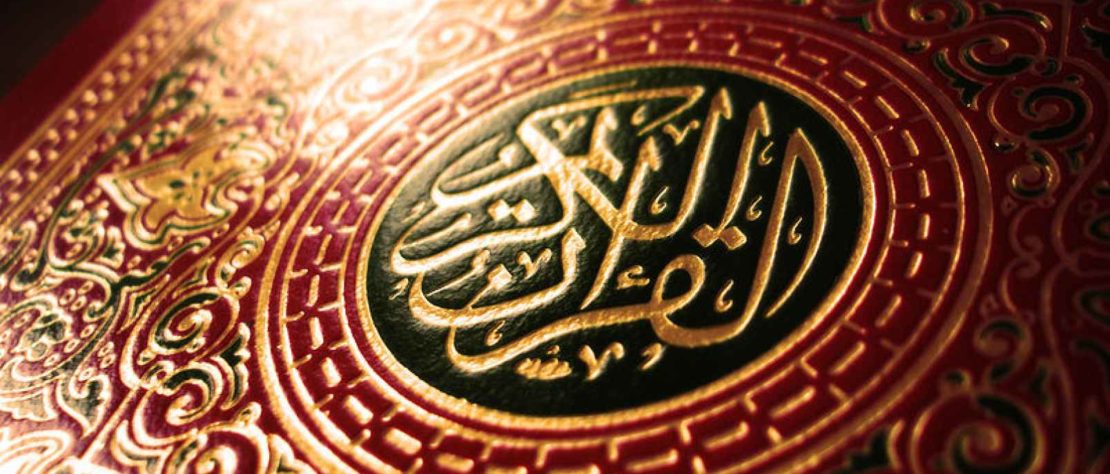
Some Christian missionaries have the inherent fantasy that Sura' al-Fatihah (the first Sura' of the Qur'an) somehow supports their false pagan doctrine of the Trinity. Algunos misioneros cristianos tienen la fantasía inherente que al Sura '-Fatihah (la primera sura "del Corán) de alguna manera apoya su falsa doctrina pagana de la Trinidad.

sura fatiha Sura al Fatihah and the Missionarys Straight Path

The translation of La traducción de this Sura esta Sura is as follows: es el siguiente:

1) In the Name of Allaah, the Most Beneficent, the Most Merciful. 1) En el Nombre de Allah, el Compasivo, el Misericordioso.
2) All the praises and thanks are for Allaah the Lord of the Universe. 2) Todas las alabanzas y gracias son para Allah el Señor del Universo.
3) The Most Beneficent, The Most Merciful. 3) El Compasivo, el Misericordioso.
4) Master of the Day of Recompense. 4) Dueño del día del Juicio.
5) You Alone we worship, and You Alone we ask for help. 5) Usted sólo nosotros culto, y sólo usted nos pida ayuda.
6) Guide us to the Straight Path. 6) nos guía al camino recto.
7) The Path of those on whom You have bestowed your grace, not the Path of those who earned your Anger, nor of those that went astray. 7) El camino de aquellos a quienes has concedido tu gracia, no el camino de aquellos que obtuvieron su ira, ni de los que se extravió.

The missionaries, having an inherent disease in their hearts, are unable to appreciate the Pure Monotheism which the Sura expounds. Los misioneros, que tengan una enfermedad inherente a su corazón, son incapaces de apreciar el monoteísmo puro que la expone Sura. They will first cite the whole ayaat (keep in mind that their main contention is with Qur'an, 1:6 — “Guide us to the straight path “) and then twist this interpretation to suit their false doctrine. Ellos citan el primer conjunto aleyas (tener en cuenta que su argumento principal es con el Corán, 1:6 - "Guíanos por el camino recto") y haz girar esta interpretación de acuerdo con sus falsas doctrinas. t seems to be a common tactic which is not alien to Christian missionary propaganda, as befitting the tactics of their Satanic apostle from Tarsus. No parece ser una táctica común que no es ajeno a la propaganda misionera cristiana, como corresponde a la táctica de su apóstol de Tarso satánicos. Let us now deal with this latest polemic in the following paragraphs, insha'allah. Abordemos ahora con esta última polémica en los párrafos siguientes, insha'Allah.

As one Christian polemicist had Como un polemista cristiano había claimed afirmó : :

    This is the daiy [sic] prayer recited by the Muslim every time they pray. Esta es la oración] [sic daiy recitada por los musulmanes cada vez que oramos. Everyday, they are asking God to show them the straight way – this wil go on and on the rest of their lives! Todos los días, que están pidiendo a Dios que les muestre el camino recto - esta Wil seguir y seguir el resto de sus vidas! As I read the Al-Qur'an myself, I then found the Straight Way that they are looking for. Al leer el Corán Al-yo, entonces me encontró una vía recta que busca.

Then the Christian missionary “conveniently” proceeds to selectively quote verses related to Luego, el misionero cristiano "convenientemente" procede a citar versos de forma selectiva en relación con Jesus Jesús alaihissalam and the imagined “straight way”. alaihissalam y lo imaginado "camino recto". And of course, that “Straight Way” the Christian has in mind is then transposed to the verse in John 14:6. Y por supuesto, que "Straight Way" el cristiano tiene en mente es entonces incorporado al verso en Juan 14:6.

Jesus saith unto him, I am the way, the truth, and the life: no man cometh unto the Father, but by me. Jesús le dijo: Yo soy el camino, la verdad y la vida: nadie viene al Padre sino por mí.

By this erroneous “transposition”, their claim is two-fold: De esta errónea "transposición", su pretensión es doble:

(1) The Qur'an speaks of a “straight path”. (1) El Corán habla de un "camino recto".
(2) Jesus (and implicitly, (2) Jesús (e implícitamente, Christianity Cristianismo and y Christian doctrines doctrinas cristianas ) is the “straight path”. ) Es el "camino recto".

With such fantasies that these Christians have, it is amazing that their stupidity always precedes their profound ignorance. Con esas fantasías que estos cristianos tienen, es asombroso que su estupidez siempre precede a su profunda ignorancia.

It should of course be noted that while the Qur'an does speak favourably of Jesus (P) and the message that he had preached, it is always depicted that Jesus (P) is a Prophet of God and His servant. Hay, por supuesto, tener en cuenta que mientras que el Corán habla favorablemente de Jesús (P) y el mensaje que había predicado, es siempre representado que Jesús (P) es un profeta de Dios y Su siervo. It is thus quite convenient for the missionary to leave out verses which stressed upon Jesus' (P) humanity in the Qur'an, for example: Por lo tanto, muy conveniente para el misionero a dejar de lado los versos que se hizo hincapié sobre Jesús (P) la humanidad en el Corán, por ejemplo:

“Christ, the son of Mary, was no more than a Messenger; many were the Messengers that passed away before him. His mother was a woman of truth. "Cristo, el Hijo de María, no era más que un mensajero, y muchos fueron los Mensajeros que falleció antes que él. Su madre era una mujer de verdad. They had both to eat their (daily) food. Los dos habían de comer su (diario) de alimentos. See how Allah doth make His Signs clear to them; yet see in what ways they are deluded away from the truth!” ¡Mira cómo les explicamos los signos a los mismos; ¡Y mira cómo son desviados de la verdad! " 1 1

More of such verses on Jesus (P) can be Más de tales versos sobre Jesús (P) se puede found here encontrar aquí . . It is thus clear that the missionary had selectively done a “pick and choose” on the verses that the missionary “feels” support their Trinitarian doctrine. Es claro entonces que el misionero había hecho una selección selectiva "y seleccione" en los versos que el misionero "siente" el apoyo de su doctrina trinitaria. However, as the evidence dictates, this is far from the truth. Sin embargo, como dicta la evidencia, esto está lejos de la verdad.

Here is Aquí está a full commentary un comentario completo of Sura al-Fatihah from Ibn Kathir, specifically Qur'an, 1:6 — Ihdeena siraatul mustaqeem (“Guide us on the straight path”). de la sura al-Fatihah de Ibn Kathir, específicamente Corán, 1:6 - siraatul mustaqim Ihdeena ("Guíanos por el camino recto").

On this passage, Ibn Kathir says: En este pasaje, Ibn Kathir dice:

The saying of the Exalted, 'You Alone we ask for help': meaning that we do not seek aid from anyone but You because the command/affair in it's totality is under Your control Alone, no one else has even an atoms weight of control over it. El dicho de la Exaltado, 'You Alone pedimos ayuda »: el sentido de que no buscamos la ayuda de nadie más que usted porque totalidad el comando / asunto en el que está bajo su control Solo, nadie más tiene siquiera un peso átomos de control sobre él. And in this statement's following His saying, 'You Alone we worship' lies an indication that it is not permissible to put our trust in anyone except the One that deserves worship because no one else has control over the command/affair. Y en esta declaración tras sus palabras, 'You Alone adoramos "se encuentra una muestra de que no está permitido poner nuestra confianza en nadie, excepto al Uno que merece ser adorado porque nadie más tiene el control sobre el comando / asunto. This meaning which is indicated here is clearly explained in other verses, like His sayings, Este significado que se indica que aquí se explica claramente en otros versos, al igual que sus dichos,

'So worship Him and put your trust in Him' (12:123) "Así que le adoran y pon tu confianza en Él" (12:123)

'But if they turn away, say: Allaah is sufficient for me, none has the right to be worshipped but Him, in Him I put my trust' (9:129) "Pero si vuelven la espalda, dicen: Allah es suficiente para mí, nadie tiene derecho a ser adorado sino Él, en Él he puesto mi confianza" (9:129)

'The Lord of the East and the West, none deserves to be worshipped but Him, so take Him as the Disposer of your affairs' (73:9) «El Señor del Oriente y Occidente, ninguno merece ser adorado sino Él, por lo que le recibiera como responsable de la eliminación de sus asuntos" (73:9)

'Say: He is the Most Beneficent, we have believed in Him and put our trust in Him' (67:29) "Di: Él es el Más Compasivo, hemos creído en Él y pongamos nuestra confianza en Él" (67:29)

When one reads the commentary, it is obvious that there is hardly any mention of Jesus (P) being God or that he is the Son of God; that all Muslims should just convert en masse to Christianity and be Trinitarian worshippers. Cuando uno lee el comentario, es evidente que casi no hay mención de Jesús (P) siendo Dios o que él es el Hijo de Dios, para que todos los musulmanes sólo debe convertir en masa al cristianismo y ser fieles trinitaria. Such allusions are simply ridiculous, to put it quite bluntly. Tales alusiones son simplemente ridículas, para decirlo sin rodeos.

Interestingly though, the missionary left out the last verse of the Sura. Curiosamente, sin embargo, la izquierda misionera a cabo el último verso de la Sura. It refers to people who have earned God's wrath and people who have gone astray . Se refiere a las personas que se han ganado la ira de Dios y el pueblo que se han extraviado. So who are those people that the Sura' is referring to? ¿Quiénes son esas personas que la Sura "se refiere a? Here is the answer: Aquí está la respuesta:

The saying of the Exalted, 'not the Path of those who have earned Your Anger, nor of those that went astray': the majority of the scholars of tafseer said that 'those who have earned Your Anger' are the Jews, and 'those that went astray' are the Christians , and there is the hadeeth of the Messenger of Allaah (SAW) reported from Adee bin Haatim (RA) concerning this. El dicho de la Exaltado, no "el camino de aquellos que se han ganado su ira, ni de los que se extravió ': la mayoría de los estudiosos de la exégesis, dijo que" los que han ganado la Ira, "son los Judios, y" aquellos que se extravió "son los cristianos, y no es el hadiz del Mensajero de Allah (SAW) informó de Adee bin Hatim (RA) con respecto a este. And the Jews and the Christians even though both of them are misguided and both of them have Allaah's Anger on them – the Anger is specified to the Jews, even though the Christians share this with them, because the Jews knew the truth and rejected it and deliberately came with falsehood, so the Anger (of Allaah being upon them) was the description most befitting them. Y los Judios y los cristianos a pesar de que ambos están equivocados y ambos tienen la ira de Allah en ellas - la ira se especifica a los Judios, a pesar de que los cristianos compartir esto con ellos, porque los Judios sabía la verdad y la rechazó y deliberadamente se incluye con la falsedad, por lo que el odio (de Allah está con ellos) fue la descripción que más les conviene. And the Christians were ignorant, not knowing the truth, so misguidance was the description most befitting them. Y los cristianos eran ignorantes, sin saber la verdad, por lo que la desorientación es la descripción que más les conviene.

It is the Christians! Es a los cristianos! The Christians are denounced as those “who have gone astray”. Obviously logic dictates that if the Christians are the ones who are denounced in this verse of the Sura, it does not make any sense for the Qur'an to be supporting any of the Christian doctrines . Los cristianos son denunciados como aquellos "que han ido por mal camino". Es evidente que la lógica dicta que si los cristianos son los que se denuncian en este versículo de la sura, no tiene ningún sentido para el Corán de apoyar a cualquiera de los doctrinas cristianas. Thus we see how obviously fallacious the claims of the missionary are and with this exposure, their arguments fall to the ground. Así, vemos cómo obviamente falaces las afirmaciones del misionero son y con esta exposición, sus argumentos caen al suelo.

In conclusion, rather than supporting their beliefs Sura' al-Fatihah actually attacks their doctrines and disputes their claim that they are the guided ones. En conclusión, en lugar de apoyar sus creencias al sura '-Fatihah realmente ataca sus doctrinas y las disputas su afirmación de que ellos son los guiados. The Christian missionaries should thus stop dreaming that the Qur'an will ever support their lies. Los misioneros cristianos por lo tanto debe dejar de soñar que el Corán nunca apoyará sus mentiras. It never had and never will. Nunca tuvo y nunca lo hará. As far as the Muslims are concerned, Guidance is in Al-Huda (Islam), the Straight Path, and it certainly does not belong to the Christians. En cuanto a los musulmanes se refiere, es de Orientación en Al-Huda (Islam), el Camino Recto, y ciertamente no pertenece a los cristianos.

In the end, we are reminded to put our trust in the following verse: Al final, se nos recuerda de poner nuestra confianza en el siguiente verso:

“And they say: “None shall enter Paradise unless he be a Jew or a Christian”. Those are their [vain] desires. "Y dicen:« Nadie entrará en el Paraíso a menos que sea un Judio o un cristiano ". Esos son sus deseos vanos []. Say: “Produce your proof if you are truthful! Di: «vuestra prueba, si sois consecuentes!" 2 2

We are rest assured that the Christians will never be able to produce their evidence apart from twisting their facts, and their destination is no doubt the Hellfire. Estamos estar seguro de que los cristianos nunca será capaz de producir sus pruebas, aparte de torcer sus hechos, y su destino es sin duda el fuego del infierno. And only God knows best! Y sólo Dios sabe mejor! bismika tombstone Sura al Fatihah and the Missionarys Straight Path

  1. Qur'an, 5:75 [ Corán, 5:75 [ back espalda ] ]
  2. Qur'an, 2: 111 [ Corán, 2: 111 [ back espalda ] ]
  • Digg
  • Facebook
  • Google Bookmarks
  • LinkedIn
  • del.icio.us
  • MySpace
  • Live
  • NewsVine
  • Propeller
  • Reddit
  • BlinkList
  • Sphinn
  • StumbleUpon
  • SphereIt
  • Technorati
  • Tumblr
  • Fark
  • Yahoo! Buzz
  • Posterous
  • Twitter
  1. Tarek Tarek says: dice:

    This is part of the article found here: Esto es parte del artículo encontrar aquí: http://www.guidetosalvation.co.....erbody.htm http://www.guidetosalvation.co.....erbody.htm

    When reading the Bible, one of the first things we learn in the book of Genesis is that God made the following covenant with Abraham (pbuh): Al leer la Biblia, una de las primeras cosas que aprendemos en el libro del Génesis es que Dios hizo el siguiente pacto con Abraham (paz sea con él):

    Genesis 17:10This is my covenant, which ye shall keep, between me and you and thy seed after thee; Every man child among you shall be circumcised.11And ye shall circumcise the flesh of your foreskin; and it shall be a token of the covenant betwixt me and you. Génesis 17:10 Este es mi pacto, que se os guardaréis entre mí y vosotros y tu descendencia después de ti: todo varón de entre vosotros será circumcised.11And habéis de circuncidar a la carne de vuestro prepucio, y será una muestra de la pacto entre mí y vosotros. 12And he that is eight days old shall be circumcised among you, every man child in your generations, he that is born in the house, or bought with money of any stranger, which is not of thy seed. 12 Y el que es de ocho días será circuncidado entre vosotros todo varón por vuestras generaciones, que ha nacido en la casa, y el comprado por dinero a cualquier extranjero, que no fuere de tu linaje. 13He that is born in thy house, and he that is bought with thy money, must needs be circumcised: and my covenant shall be in your flesh for an everlasting covenant. 13He que nace en tu casa, y el comprado por tu dinero; Debe ser circuncidado, y mi pacto será en vuestra carne por pacto perpetuo.

    We learn from these verses that this covenant was meant to be everlasting. Nosotros aprendemos de estos versos que este pacto estaba destinado a ser eterno. As we continue reading into the New Testament, we also discover the following: A medida que continuamos la lectura en el Nuevo Testamento, también descubrimos lo siguiente:

    Luke 2:21And when eight days were accomplished for the circumcising of the child, his name was called JESUS, which was so named of the angel before he was conceived in the womb. Lucas 2:21 Y cuando se cumplieron ocho días para circuncidar al niño, le pusieron por nombre JESÚS, que se llamó así por el ángel antes que fuese concebido en el vientre.

    So here we see that Jesus (pbuh) was also circumcised, in keeping with the covenant God made with Abraham (pbuh). Así que aquí vemos que Jesús (paz sea con él) fue circuncidado también, de acuerdo con el pacto que Dios hizo con Abraham (paz sea con él). And continuing on to the book of John, we also learn: Y de continuar con el libro de Juan, también aprenderá:

    John 7:22Moses therefore gave unto you circumcision; (not because it is of Moses, but of the fathers;) and ye on the sabbath day circumcise a man. Juan 7:22 Y Moisés os dio la circuncisión (no porque sea de Moisés, sino de los padres;) y vosotros en el día de reposo circuncidar a un hombre.

    Here Jesus (pbuh) reaffirms the necessity of this covenant. Aquí Jesús (paz sea con él), se reafirma la necesidad de este pacto. After making it past the gospels, we come to the books of Paul, but here, things suddenly change: Después de lo que es pasado, los evangelios, llegamos a los libros de Pablo, pero aquí, las cosas cambian de repente:

    Galatians 5: 2Behold, I Paul say unto you, that if ye be circumcised, Christ shall profit you nothing. Gálatas 5: 2Behold, yo Pablo os digo, que si sois circuncidados, Cristo será tu ganancia nada. 3For I testify again to every man that is circumcised, that he is a debtor to do the whole law. 3Para otra vez testifico a todo hombre que se circuncida, que está obligado a guardar toda la ley. 4Christ is become of no effect unto you, whosoever of you are justified by the law; ye are fallen from grace. 4Christ ha sido de ningún efecto hasta que, el que de vosotros se justifican por la ley; habéis caído en desgracia.

    Galatians 2: 7But contrariwise, when they saw that the gospel of the uncircumcision was committed unto me, as the gospel of the circumcision was unto Peter; Gálatas 2: 7 Pero al contrario, cuando vieron que el evangelio de la incircuncisión se cometió a mí, como el evangelio de la circuncisión fue a Pedro;

    Paul now says that circumcision is not necessary. Pablo ahora dice que la circuncisión no es necesaria. This causes a problem: Was this covenant meant to be everlasting? Esto causa un problema: ¿Fue este pacto destinado a ser eterno? How can Paul single-handedly end an everlasting covenant from God? ¿Cómo puede Pablo en solitario final un pacto eterno de Dios? So how did the Apostles take this? Entonces, ¿cómo los Apóstoles aguantar esto? Let us find out: Vamos a encontrar:

    Galatians 2:11 But when Cephas came to Antioch, I opposed him to his face, because he stood self-condemned; 12for until certain people came from James, he used to eat with the Gentiles. Gálatas 2:11 Pero cuando Cefas vino a Antioquía, le opuso a la cara, porque él estaba auto-condenado; 12 para hasta que la gente no fue cierta parte de Jacobo, comía con los gentiles. But after they came, he drew back and kept himself separate for fear of the circumcision faction. Pero después vinieron, se echó atrás y se mantuvo separado por temor a la facción de la circuncisión. 13And the other Jews joined him in this hypocrisy, so that even Barnabas was led astray by their hypocrisy. 13 Y los Judios otros se le unieron en esta hipocresía, de manera que aun Bernabé fue desviado por su hipocresía.

    Galatians 2:14But when I saw that they walked not uprightly according to the truth of the gospel, I said unto Peter before them all, If thou, being a Jew, livest after the manner of Gentiles, and not as do the Jews, why compellest thou the Gentiles to live as do the Jews? Gálatas 2:14 Pero cuando vi que no andaban rectamente conforme a la verdad del evangelio, dije a Pedro delante de todos: Si tú, siendo Judio, vives a la manera de los gentiles, y no como lo hacen los Judios, ¿por qué constriñes á los gentiles a vivir como lo hacen los Judios?

    So, obvious by the above verses, they did not agree with Paul. Así pues, obvio por los versículos anteriores, que no estaba de acuerdo con Pablo. So what does Paul do? Entonces, ¿qué Pablo? He calls them hypocrites and not upright. Él los llama hipócritas y de pie no. These are apostles that were with Jesus (pbuh), and Paul, who never in his life met Jesus (pbuh) is calling them misguided hypocrites. Estos son los apóstoles que estaban con Jesús (paz sea con él), y Pablo, que nunca en su vida conoció a Jesús (paz sea con él) los llama hipócritas equivocada. Keep in mind that Barnabas was the teacher and protector of Paul, peter the rock (Matt 16:18And I say also unto thee, That thou art Peter, and upon this rock I will build my church; and the gates of hell shall not prevail against it. ) And James the Just. Tenga en cuenta que Bernabé era el maestro y protector de Pablo, Pedro la roca (Mateo 16:18 Y yo también te digo, que tú eres Pedro y sobre esta roca edificaré mi iglesia, y las puertas del infierno no prevalecerán en contra de ella.) Y Santiago lo justo. Regarding James, the following comes from wikipedia: En cuanto a Santiago, el siguiente proviene de la wikipedia:

    The Gospel of the Hebrews fragment 21 relates the risen Jesus' appearance to James. El Evangelio del fragmento Hebreos 21 se refiere a Jesús resucitado "aparición a Santiago. The Gospel of Thomas (one of the works included in the Nag Hammadi library), saying 12, relates that the disciples asked Jesus, “We are aware that you will depart from us. El Evangelio de Tomás (una de las obras incluidas en la biblioteca de Nag Hammadi), diciendo: 12, relata que los discípulos preguntaron a Jesús: "Somos conscientes de que se apartará de nosotros. Who will be our leader?” Jesus said to him, “No matter where you come [from] it is to James the Just that you shall go, for whose sake heaven and earth have come to exist.” ¿Quién será nuestro líder? "Jesús le dijo:" No importa de donde vienes [de] que es Santiago el Justo que se vaya, por quien el cielo y la tierra han llegado a existir. "

  2. The Straight Path is described in Surat-al-Fatiha as { The Path of those on whom You have bestowed your grace, not the Path of those who earned your Anger, nor of those that went astray } El Camino Recto es descrito en Surat-al-Fatiha como (El camino de aquellos a quienes has concedido tu gracia, no el camino de aquellos que obtuvieron su ira, ni de los que se extravió)

    And the Messenger of Allah (peace be upon him) says: Those who earned God's Anger are Jews and those that went astray are Christians. Y el Mensajero de Allah (la paz sea con él) dice: "Aquellos que se ganó la ira de Dios son Judios y los que se han perdido son los cristianos.

    This hadith is well accepted by all scholars who made consensus upon this explanation of the verse, the eminent scholar Ibn Abi Hatem notes: I am not aware of any disagreement regarding this interpretation. Este hadiz es bien aceptado por todos los eruditos que hicieron el consenso sobre esta explicación del verso, el eminente estudioso observa Ibn Abi Hatem: Yo no tengo conocimiento de ningún desacuerdo en relación con esta interpretación.

    In conclusion, the Straight Path is not the Path of Jews, nor of Christians. En conclusión, la vía recta no es el Sendero de los Judios, ni de los cristianos.

  3. jeff says: Jeff dice:

    I would like to post a few comments to the original article “Sura al-Fatihah and the Missionary's Straight Path” and the first reply. Me gustaría publicar un par de comentarios del artículo original "Sura al-Fatihah y El camino recto del misionero" y la primera respuesta.

    First I would like to say that I could not agree more with the article's premise that the Qur'an does not support the doctrines of Christianity in any way. En primer lugar me gustaría decir que yo no podía estar más de acuerdo con la premisa del artículo es que el Corán no es compatible con las doctrinas del cristianismo de ninguna manera. I can sympathize with the author's irritation at certain Missionary's attempts at using the Qur'an as a “tool” for converting muslims to Christianity. Puedo simpatizar con la irritación del autor en los intentos de ciertos Misionero en el uso del Corán como una "herramienta" para la conversión de musulmanes al cristianismo. Indeed, to me it would seem like playing with fire. De hecho, a mí me parece como jugar con fuego. I firmly believe that all support and substantiation for the doctrines of Christianity rest firmly in the Bible and nowhere else. Creo firmemente que todo el apoyo y la fundamentación de las doctrinas del cristianismo resto firmemente en la Biblia y no en otra parte. If someone were to come to me with a Bible and try to convert me to Islam using passages from it as text supports, he/she would have a very difficult time indeed, and so I can also sympathize with the author's feelings of contempt for the intelligence of these missionaries. Si alguien viene a mí con una Biblia y tratan de convertirse al Islam con pasajes de la misma como soporte de texto, él / ella tendría un momento muy difícil, por lo que también puede simpatizar con los sentimientos del autor de desprecio por la inteligencia de estos misioneros. It does seem a foolhardy thing for them to do. Parece una cosa temerario para que ellos hagan. However, I believe the things they are trying to support; ie the doctrine of the Trinity, the doctrine of Christ, and the doctrine of Salvation are not lies as the author claims, but rather truths. Sin embargo, creo que las cosas que están tratando de apoyar, es decir, la doctrina de la Trinidad, la doctrina de Cristo, y la doctrina de la salvación no son mentiras como afirma el autor, sino más bien verdades. I believe that placing faith in Jesus Christ is the only way for Salvation, and I believe the BIBLE supports this. Yo creo que la fe puesta en Jesús Cristo es la única forma de salvación, y creo que la Biblia lo admite. (John 14:6 and Romans 6:23 are just 2 examples) I would enjoy discussing with the author further about these doctrines and if he (or anyone else) feels inclined to do so, do not hesitate to contact me at my email address. (Juan 14:6 y Romanos 6:23 son sólo dos ejemplos) Me gustaría mucho discutir con el autor acerca de estas doctrinas, y si él (o cualquier otra persona) se siente inclinado a hacerlo, no dude en ponerse en contacto conmigo en mi dirección de correo electrónico . I will not go into my doctrinal supports further here but will await an invitation. No voy a entrar en mis apoyos doctrinales más aquí sino que prefiere aguardar una invitación. However, one can rest assured that I will not be using the Qur'an as a support! Sin embargo, uno puede estar seguro de que no va a utilizar el Corán como un apoyo! In the end, it all boils down to FAITH. Al final, todo se reduce a la fe. Christians believe in Jesus Christ and HIS WORD, and the Muslims belive in Muhammed and his teachings. Los cristianos creen en Jesucristo y Su Palabra, y los musulmanes creemos en Mahoma y sus enseñanzas. Which one is the truth? ¿Cuál es la verdad? That's a discussion for another time but one that is of Eternal Significance. Esa es una discusión para otro momento, pero uno que es de importancia eterna.

    In response to the respondent that “exposed” the contradiction between Jesus, Peter and Paul and the Covenant of Circumcision I say this: You are opening up a deep subject…one that includes both Judaism and Christianity, and I don't think that you are really up for a discussion on that one. En respuesta a la parte demandada que "expuesto" la contradicción entre Jesús, Pedro y Pablo y en el Pacto de la Circuncisión digo esto: Usted está abriendo un tema muy profundo ... que incluye tanto el judaísmo y el cristianismo, y no creo que son realmente para un debate sobre eso. You say (and rightly so) that Peter and Paul disagreed on the subject…this however does not mean Paul was wrong just because he disagreed with Peter. Usted dice (y con razón) que Pedro y Pablo no estuvo de acuerdo sobre el tema ... sin embargo, esto no significa que Pablo estaba mal porque no estaba de acuerdo con Peter. Peter was a man, just like all of us and he was not perfect…he made mistakes too…Paul just called him on one of them. Pedro era un hombre, al igual que todos nosotros y que él no era perfecto ... que cometió errores demasiado ... Pablo sólo le pidió a uno de ellos. Also, your supporting text where Jesus supposedly affirms the covenant is not a proof text for the covenant. Además, su texto de apoyo, donde Jesús afirma que supuestamente el pacto no es un texto de prueba para el pacto. If you actually look at the context of that verse you will see that Jesus had been accused of breaking the Law by healing a man on the Sabbath. Si realmente se ven en el contexto de ese versículo verá que Jesús había sido acusado de violar la Ley por la curación de un hombre en sábado. He (Jesus) posed a rebuttal for that by stating that according to the Law (of Moses) one could (and needed to) circumcise a boy if the 8th day fell on the Sabbath. Él (Jesús) que plantea una refutación de que al afirmar que, de acuerdo a la Ley (de Moisés) se podía (y debía) circuncidar a un niño si el día octavo cayó en sábado. The arguement was that if it was ok to do the “work” of Circumcision on the Sabbath, was it not also lawful to do the “work” of healing? El argumento era que si se puede hacer el "trabajo" de la circuncisión en sábado, ¿no era también lícito hacer el "trabajo" de la curación? This text has nothing to do with the covenant of circumcision…please don't take verses out of context. Este texto no tiene nada que ver con el pacto de la circuncisión ... por favor no tome versículos fuera de contexto. I belive that the respondent's goal in this arguement was to show the errancy of the BIBLE and thus render it useless and without authority. I belive que el objetivo del demandado en este argumento era mostrar la errancia de la Biblia y hacer que por lo tanto, inútil y sin autorización. There are many apparent “contradictions” in the Bible, but that is just what they are…apparent. Hay muchos aparentes "contradicciones" en la Biblia, pero eso es sólo lo que son ... aparente. Not actual. No real. Again, if the respondent wishes to discuss this further I am open to a dialog. De nuevo, si el demandado desea seguir debatiendo esto, estoy abierto a un diálogo.

    Thanks for letting me make my comments. Gracias por dejarme hacer mis comentarios.

  4. Shadowofears says: Shadowofears dice:

    In fact I will not hold the Christians responsible for such deceit, but I will hold the holy spirit responsible. De hecho no hago a los cristianos responsables de tal engaño, pero voy a mantener el espíritu santo responsable. Christians claim the holy spirit inspires them, if that is true then the holy spirit is inspiring them to be untruthful, and to be distorters of truth, and to try and make up a lie. Cristianos afirman que el Espíritu Santo les inspire, si eso es verdad entonces el Espíritu Santo inspira a ser falsa, y ser tergiversadores de la verdad, y para tratar de inventar una mentira. And such actions cannot be coming from a holy being, rather such action is inspired by someone called Iblis, who is shaytan, because only shaytan inspires people to make a lie against Allah and his Noble Quran. Y estas acciones no puede venir de un ser sagrado, en lugar dicha acción se inspira en alguien llamado Iblis, que es Satán, Satán, porque sólo inspira a la gente para hacer una mentira contra Alá y su Noble Corán.

    Leave a Reply Deja una respuesta

    You must be Usted debe ser logged in se conectó to post a comment. en publicar un comentario.