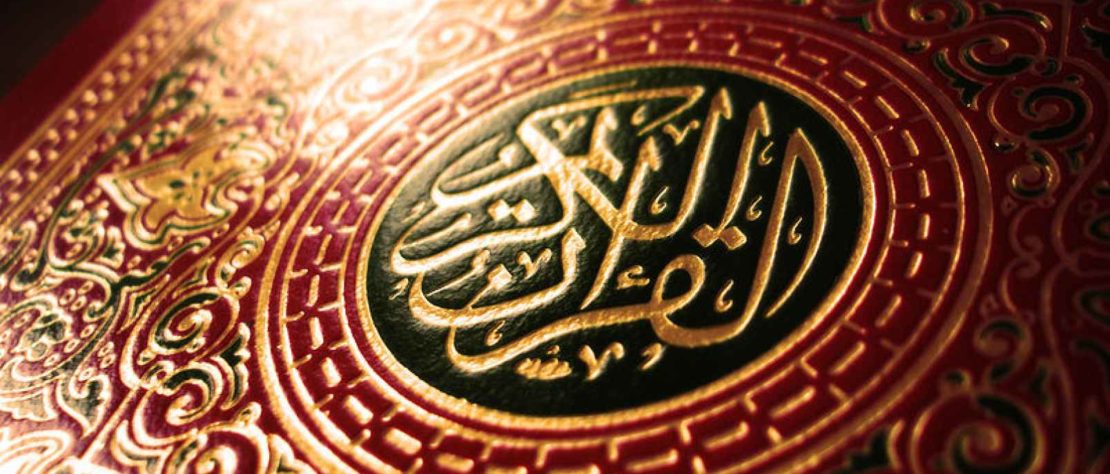
In Praise of Muhammad, the Mercy to All the Worlds In Praise Muhameda, Mercy visām pasaulēm

Published on: Publicēts:

Thursday 05 Apr, 2007 Ceturtdiena aprīlis 5, 2007

Email This PostPrint This Post

If you're new here, you may want to get regular updates via Ja esat jauna šeit, jūs varat saņemt regulārus atjauninājumus, izmantojot RSS feed RSS feed . . Thank you for visiting! Paldies par apmeklējot!

Hamza Yusuf Hamza Yusuf

Twenty-six years ago I became a Muslim largely because I fell in love with a beautiful human being. Divdesmit sešus gadus atpakaļ es kļuvu par musulmaņu lielā mērā tāpēc, ka es iemīlēja ar skaistu cilvēku. “I was only sent to perfect noble character,” said the man declared as a “mercy to all the worlds.” "Man bija tikai nosūtīts ideāls noble raksturu," sacīja vīrietis deklarēta kā "žēlsirdība visu pasauli."

As time passed, this love grew as my knowledge of him increased. Kā pagājis laiks, šī mīlestība pieauga kā manas zināšanas par viņu palielinājies. I painfully watched his religion hijacked by some for their own ends distorting his message and forgetting that he was indeed a mercy to all the worlds. Es sāpīgi skatīties viņa reliģijas nolaupītas aptuveni par savām mērķiem kropļo viņa ziņu un aizmirst, ka viņš tiešām žēlastība visiem pasaulēm. I am troubled by the media's portrayal of him sometimes in the worst of lights. Es esmu satraukumu par plašsaziņas līdzekļu atveidojumu no viņa dažreiz sliktākajā gaismu. How could the man I came to know and love be so vilified and maligned by those who claim to represent him and also by those who aim to be unbiased interpreters? Kā var cilvēks es atbraucu zināt un mīlestība ir tik vilified un maligned ar tiem, kas apgalvo, kas pārstāv viņu un arī tie, kuri mērķis ir būt objektīvu tulku?

Muhammad Muhammad , peace be upon him, was a shy, reticent man who lived among his people with such high moral character they called him al-Amîn — the Trustworthy. , Mieru būt tai, bija kautrīgam, atturīgs cilvēks, kas dzīvoja starp viņa cilvēkiem ar tik augstas morālās īpašības viņi sauc viņu al-Amin - Ticama.

The Prophet of Pravietis ir Islam Islams was born in the city of Mecca, Arabia, into a poor but noble branch of an aristocratic clan known as Quraysh, a people who despised treachery, lies and stupidity, while honouring bravery in battle, generosity in partying, and cleverness in poetry. dzimis pilsētas makaha, Arābija, uz sliktu bet noble filiāle aristokrātisks klana pazīstams kā Quraysh, cilvēki, kas nicināja nodevību, melus un stulbums, bet godinot drosmi kaujas, devība ar partying, un dzejas gudrība.

Some families, were so ashamed of their baby girls, that they would bury them alive instead of suffering the possible indignity of future dishonour. Dažas ģimenes, bija tik kauns par savu bērnu meitenēm, ka viņi apglabāt tos dzīvs, nevis ciešanas iespējamo necienība nākotnē negods. The religion of the Arabs at the time was a hodge-podge of superstition, divination and idolatry. No arābiem reliģijas tajā laikā bija Hodge-podge māņticība, zīlēšana un elku pielūgšana. To them, man's life ended with his death and his afterlife was based on his military exploits might be immortalized by a poets tongue. Tiem, cilvēka dzīve beidzās ar viņa nāvi un viņa afterlife bija balstītas uz viņa militāro izmanto varētu iemūžinātas ar dzejnieku valodā.

The Prophet Muhammad, peace be upon him, was born into this world on April 9th, 570, Christian era in the lunar month of Rabi'a al-Awwal. Pareģis Muhammad, mieru būt tai, bija dzimis šajā pasaulē gada 9 aprīlī, 570, Christian era šajā Lunar mēnesī Rabi'a al-Awwal. His father, Abdallah died during his mother's pregnancy. Viņa tēvs, Abdallah miris laikā viņa mātes grūtniecības laikā. And for the first four years he was raised in the relative purity of the desert by a Bedouin woman named Halimah. Un pirmo četru gadu laikā viņš bija izvirzīti relatīvo tīrību tuksnesī ar beduīns sieviete nosauca Halimah. After which he returned to his mother, Aminah. Pēc kura viņš atgriezās viņa māte, Aminah. But in his seventh year, his mother died leaving him in the care of his grandfather. Bet viņa septītajā gadā, viņa māte nomira atstājot viņu aprūpē viņa vectēvs.

At the age of twenty-five, he was employed as a commercial agent by Lady Khadijah, a successful widow from his own clan. Vecumā no 25, viņš bija nodarbināts kā tirdzniecības pārstāvis ar Lady Khadijah, veiksmīgu atraitne no sava klana. She soon recognized his honesty and good nature and proposed marriage. Viņa drīz atzīta viņa godīgumu un labu raksturu un ierosināja laulību. Although fifteen years younger than she was, he accepted her proposal, and fathered six of his seven children with her. Lai gan piecpadsmit gadus jaunāks nekā viņa bija, viņš piekrita viņas priekšlikumu un fathered seši viņa septiņiem bērniem ar viņu.

At the age of forty, it had become his custom to escape the idolatry of Meccan society by seeking solitude in a cave on the mountain known as “the Mountain of Light.” In the solitary confines of his small cave a voice pierced his consciousness declaring: “Recite!” Gadu vecumā četrdesmit, tas bija kļuvis viņa pasūtījuma, lai izvairītos no elku pielūgšana no Meccan sabiedrības, meklējot vientulības ir ala par kalnu pazīstama kā "kalnu Light." Attiecībā vientuļnieks aprobežojas viņa mazo ala balss caurdurtās viņa apziņa atzīst : "deklamēt!"

Alarmed and shivering he fled to his wife, begging her to wrap him in a cloak. Satraukts un drebuļi, viņš bēga uz viņa sieva, ubagošanā viņai wrap viņam mēteli. He feared for his sanity, concerned that a desert spirit or poetic muse might be pursuing him. Viņš baidījās par viņa veselība, bažas, ka tuksnesis spirts vai dzejas mūza varētu turpināt viņu. More revelations soon followed and Muhammad came to the understanding that he was not only a prophet in a long line of prophets, but that he was the last of them who was sent with a universal message. Vairāk atklājumiem drīz sekoja un Muhammad atnāca uz izpratni, ka viņš bija ne tikai pravietis, kas ilgu līnija praviešiem, bet, ka viņš bija pēdējais no tiem, kurš tika nosūtīts ar universālu vēstījumu.

As the days passed his revelations increased and they were powerfully rhythmic punctuated with intoxicating messages that challenged listeners to reflect on everyday miracles such as the alternation of the night and day Tā kā dienas pagājis viņa atklājumiem pieaudzis, un tie bija spēcīgi ritmiskajai pārtraukta ar apreibinoši ziņas, kas apstrīdēja klausītāju, lai atspoguļotu uz ikdienas brīnumus, piemēram, pārmaiņus ar dienu un nakti

These revelations revealed to Muhammad, peace and blessings be upon him, came to be known as the Qur'an, the Muslim holy book. Šos atklājumus atklāta Muhammad, mieru un blessings būt tai atnāca, kas zināma kā Qur'an, musulmaņu svēts grāmatu. For thirteen years he invited his clan to worship one God, sit with slaves in spiritual solidarity, respect women as soul-full equals and the source of human mercy, care for the widow, the orphan, the weak and the oppressed. Par trīspadsmit gadus viņš aicināja viņa klana uz dievkalpojumu vienu Dievu, sēdēt ar vergiem, kas garīgā solidaritāte, cieņa sievietes dvēseles pilnīgi vienāds un cilvēka žēlsirdības avots, rūpes par atraitne, bārenis, vāja un apspiesto.

At first people ridiculed his message and accused him of attempting “to make the gods one.” His message threatened his people's financial control of the markets of Mecca where pilgrims from all over Arabia came to spend their wealth. Sākumā cilvēki ridiculed viņa ziņu un apsūdzēja viņu par mēģinājumu ", lai padarītu dieviem vienu" Viņa ziņu apdraud viņa tautas finanšu kontroli uz Mekas tirgu, kur svētceļnieku no visas Arābija nāca pavadīt savu bagātību..

When his clan failed to stop his preaching they plotted to kill him in his sleep. Kad viņa klana nespēja pārtraukt viņa sprediķis viņi zīmē, lai nogalinātu viņu viņa miegu. But he was warned by the Angel Gabriel and told to flee in the cover of darkness to Madina with his beloved friend and lifelong companion Abu Bakr. Bet viņš brīdināja, ko Angel Gabriel un teicis, lai bēgt, kas attiecas uz tumsas uz Madina ar savu mīļoto draugu un mūža biedrs Abu Bakr.

Setting out, the two sought refuge in a cave to escape the skilled trackers of Mecca hot on their trail. Kurā izklāstīts, divi meklēja patvērumu kādā ala, lai izvairītos no kvalificētu trakeru Mekā karstu par to liecības. The bounty hunters quickly came upon the cave, but a spider's web had already covered the entrance and a dove with her young rested in a nest above it. Devība mednieki ātri ieradās uz alas, bet zirnekļa tīmekļa jau aptvēra ieeja un balodis kopā ar savu jauno atpūtušies kādā ligzdu virs tās.

When the posse left and the two felt safe again, they continued their journey to the city of Yathrib. Kad policisti pa kreisi un divas filca droši atkal, viņi turpināja savu braucienu uz pilsētas Yathrib. And as they entered it the young girls and children of Bani Najjar came out chanting lines of poetry which is still sung all over the world in remembrance of this auspicious occasion. Un, tā kā viņi ieradušies to jauno meiteņu un bērnu Bani Najjar radās chanting līnijām dzeja, kas joprojām ir Sung visā pasaulē atcerēšanās šīs auspicious gadījumā.

The name Yathrib was changed to Medina, city of hope. Nosaukums Yathrib tika nomainīts uz Medina, pilsēta cerību. It became a city founded on the brotherhood of virtue. Tā kļuva par pilsētu balstās uz brālība tikumības. The Prophet, peace and blessings be upon him, enacted a treaty uniting the once warring groups. Pareģis, mieru un blessings būt tai, kas pieņemti līgumu, apvienojot vienreiz karojošās grupas. He secured the rights of the Jewish minority by granting them full citizenship and freedom to practice their religion without constraint. Viņš nodrošinātas tiesības uz ebreju minoritāti, piešķirot viņiem pilnu pilsonību un brīvība praktizēt savu reliģiju bez ierobežojumiem.

Days after his arrival in Medina he began the construction of a mosque, a sanctuary of prayer and meditation, in the centre of the city. Dienas pēc viņa ierašanās Medina viņš sāka celtniecību mošeja, lūgšanu un meditāciju patvērumu, jo pilsētas centrā. And he had his companions; the Muslims create their own marketplace in order to ensure economic strength. Un viņš bija viņa companions, musulmaņi izveidot savu tirgū, lai nodrošinātu ekonomisko spēku.

The Meccans, sensing that a rising power was now emerging in the peninsula, plotted ways of subverting the Prophet, peace and blessings be upon him, and his growing community of believers. Meccans, uzrādi, ka pieaug jauda tagad rodas pussalu, attēlo veidi subverting pareģis, mieru un blessings būt tai, un viņa arvien kopienā ticīgie.

And the Prophet, peace and blessings be upon him, who had practiced a strict pacifism in Mecca for thirteen years and disliked the use of coercive force, was now given permission by God to defend against any attacks by his enemies. Un pareģis, mieru un blessings būt tai, kas bija praktizētās stingru pacifisms in makaha par trīspadsmit gadiem un nepatika izmantot piespiedu spēku, tagad dota atļauja, ko Dievs aizstāvēt pret jebkuru viņa ienaidnieku uzbrukumiem. The Qur'an declared, “Fighting has been prescribed for you and you detest it, but perhaps you detest something and in it is much good. Qur'an deklarētas, "Cīņa ir parakstītas jums un jūs ienīst, bet varbūt jūs ienīst kaut ko, un tas ir daudz laba. And perhaps you love something and in it is much harm, and God knows and you do not know.” Un varbūt jums patīk kaut kas, un tas ir daudz kaitēt, un Dievs zina un jūs nezināt. " 1 1

The Prophet, peace and blessings be upon him, said, “Never desire to meet your enemies, rather ask God for peace and well-being; but should you be forced to meet them, then act courageously.” Pareģis, mieru un blessings būt tai, teica: "Nekad vēlas, lai sasniegtu jūsu ienaidniekiem, bet lūgt Dievu par mieru un labklājību, bet jums būtu spiesti atbilst tiem, pēc tam rīkoties drosmīgi." 2 2

Muslims are not ashamed of their Prophet's teaching about war. Musulmaņi nav kauns no savas pareģis ir mācību par karu. On the contrary, for us it is a great source of pride. Gluži pretēji, mums tā ir lieliska avots lepnums. He was courageous as a great lion against the strong and oppressive yet gentle as a shepherd with the weak and the oppressed. Viņš bija drosmīgs kā lielisku lauva pret spēcīgu un nomācošs vēl maigu kā gans ar vāju un apspiesto.

The true object of war fought for God should always be peace. Patiesais mērķis kara cīnījās par Dievu vienmēr būtu miers. What the Prophet, peace and blessings be upon him, taught is that Muslims fight for a just cause only. Ko pareģis, mieru un blessings būt tai, mācīts, ka musulmaņi cīnās par taisnīgu izraisīt tikai. In this world, there are only two choices: two sides, truth and justice or falsehood and oppression. Šajā pasaulē, ir tikai divas izvēles: divas puses, patiesības un taisnīguma vai meli un apspiešanu. You don't have to be a Muslim to understand that. Jums nav jābūt musulmaņu saprast, ka.

After years of conflict between members of his clan and his followers, the Prophet, peace and blessings be upon him, had a revelation that he should visit the sacred mosque. Pēc gadiem, konflikts starp locekļiem, viņa klana un viņa sekotāji, pareģis, mieru un blessings būt tai, bija atklāsme, ka viņam vajadzētu apmeklēt svēto mošeju. In the eighth year after his migration to Medina the Prophet, peace and blessings be upon him, set out for Mecca but his adversaries refused to allow him in. They sent out an arbitrator to strike an agreement that would bring the stand-off to an end. Astotajā gadā pēc viņa pāreju uz Medina pareģis, mieru un blessings būt tai, kas noteikti makaha bet viņa pretiniekiem atteicās atļaut viņam collas Tās izsūtīti šķīrējtiesnesi panākt vienošanos, kas dotu stand-off gada beigām. And on every point of this treaty the Prophet, peace and blessings be upon him, compromised his own position in pursuit of peace. Un par katru punktu šī līguma pareģis, mieru un blessings būt tai, kompromitēta savu nostāju, lai panāktu mieru.

On the journey back to Medina some of the companions were deeply troubled by what had just taken place and disappointed that they were thwarted from visiting the sanctuary. Par braucienu atpakaļ uz Medina daži biedri ir dziļi noraizējusies par to, ko tikko bija notikusi un sarūgtinājumu, ka tie ir mazināta, no apmeklējot patvērumu. When asked to explain, the Prophet, peace and blessings be upon him, replied, “Did I say it was going to be this year?” Kad lūgts paskaidrot, pareģis, mieru un blessings būt tai, atbildēja: "Vai es saku tas bija būs šogad?"

And so the following year, in accordance with the treaty, the Prophet, peace and blessings be upon him, and his followers performed a pilgrimage completely unmolested. Un tā nākamā gada, saskaņā ar līgumu, pareģis, mieru un blessings būt tai, un viņa sekotāji veica svētceļojumu pilnīgi unmolested. But soon his clan the Quraysh broke their end of the deal, massacring another clan with alliance to the Prophet, peace and blessings be upon him, attacking them even in the sacred precinct. Bet drīz viņa klana Quraysh lauza to beigām, darījumu, massacring citā klana ar aliansi ar pareģis, mieru un blessings būt tai, uzbrūkot tos pat svēta Precinct. Abu Sufyan, the head of the Prophet's enemies, attempted to restore the truce but it was too late. Abu Sufyan, vadītājs pareģis's ienaidniekiem, mēģināja atjaunot pamieru, bet tas bija pārāk vēlu. News of the massacre enraged the believers and the Prophet, peace and blessings be upon him, summoned all of the Muslims capable of bearing arms to march on Mecca. Ziņas no masveida satracināts ticīgie un pareģis, mieru un blessings būt tai, izsauc visas musulmaņiem var izturēt ieroču marta Meku. When the nearly ten thousand Muslims arrived on the outskirts of the city, the Quraysh realized they did not stand a chance and people either fled or stayed in their homes. Kad gandrīz desmit tūkstoši musulmaņi ieradās no pilsētas nomalē, Quraysh realizēts tās nav stand iespēja un cilvēkiem, vai nu aizbēguši vai apmeties savas mājas.

And so it was, after years of persecution, the Prophet, peace and blessings be upon him, marched triumphant into the city of his birth at the head of the largest army ever assembled in Arabian Un tā tas bija, pēc gadiem ilgas vajāšanas, pareģis, mieru un blessings būt tai, marched triumfējošs vērā pilsētas viņa dzimšanas kā galveno no lielākajiem armija arvien samontēt Arābijas history vēsture . . With his head bowed in humility he declared a general amnesty and granted war criminals refuge. Ar galvu nolieca pazemībā, viņš paziņoja vispārējā amnestija un piešķirt kara noziedzniekus patvērumu.

His overwhelming magnanimity of character led to a mass conversion among the citizens of Mecca. Viņa lielākā augstsirdība rakstzīmju izraisīja masu konversijas vidū Mekas pilsoņiem. Even Abu Sufyan, his archenemy, embraced the religion of the Prophet, peace and blessings be upon him. Pat Abu Sufyan, viņa sātans, paustās reliģija no pareģis, mieru un blessings būt tai. In the months that followed, almost all of Arabia dispatched representatives to swear allegiance to this Prophet, peace and blessings be upon him, and to enter in the faith of Islam. Tādējādi turpmākajos mēnešos, kas sekoja, tad gandrīz visas Arābija nosūtītas pārstāvjiem, lai zvēru lojalitāte uz šo pareģis, mieru un blessings būt tai, un ieraksta ticība islāmu. In a period of twenty-three years Muhammad, peace be upon him, had succeeded in uniting a feuding people trapped in cycles of violence into one people with a sense of destiny and a mission that would transform the world. Laikposmā divdesmit trim gadiem Muhammad, mieru būt tai, bija izdevies apvieno feuding cilvēki Ieslodzījuma ciklus vardarbību vienā cilvēkiem ar likteņa izjūta, un misiju, kas pārveido pasauli.

He elevated the low, and he lowered the elevated that they might meet in that middle place known as brotherhood. Viņš paaugstināts zemas, un viņš pazemināja paaugstināts, ka tie varētu atbilst šajā vidū vieta pazīstama kā brālība. He infused in them a love of learning unleashing a creative power that would lead to some of the most extraordinary scientific breakthroughs in human history. Viņš ievadīts jo viņiem mīlestība mācību atbrīvotu radošo spēku, kas varētu novest pie dažām no ārkārtas zinātnes atklājumiem cilvēces vēsturē.

He died on the same day he was born, in the same house he had lived in for ten years in Medina, on a small bed made of leather stuffed with palm fibres, in the arms of his beloved wife Aishah. Viņš nomira tajā pašā dienā viņš bija dzimis tajā pašā mājā viņš dzīvoja desmit gadus Medina, uz mazas gulta izgatavota no ādas pildījumu ar palmu šķiedrām, viņa mīļoto sievu Aishah rokās. His dying words were, “Treat your women well, and do not oppress your servants, the prayer, the prayer, don't be neglectful of the prayer. Viņa mirst vārdi bija, "apstrādā jūsu sievietēm labi, un nav deprimēt jūsu kalpi, lūgšanu, lūgšanu, nav jābūt nolaidīgs ar lūgšanu. O God, my highest companion, O highest companion.” O Dievs, mans augstākais biedrs, O augstākais biedrs. "

But the Prophet, peace and blessings be upon him, was more than just a great historical person, he was a father and friend, a husband, a companion and above all he was a human being. Bet pareģis, mieru un blessings būt tai, bija vairāk nekā tikai lielisku vēsturisku personu, viņš bija tēvs un draugs, vīrs, biedrs un, galvenais, viņš bija cilvēks. The Prophet's unique physical appearance, his high character and willingness to sacrifice for others, are often at the essence of any description of him. Pravietis unikālā fiziskais izskats, viņa augstu raksturu un vēlmi ziedot citiem, bieži vien pēc būtības ir jebkura apraksta viņu. He was once described by a contemporary in the following words: Viņš reiz tika aprakstīta ar mūsdienu ar šādiem vārdiem:

“The Messenger of God was imposing and majestic. "Messenger Dieva bija uzlikt un majestātiskie. His face was luminous like a full moon. Viņa seja bija gaismas, piemēram, pilns mēness. He was taller than medium but not excessive in height. Viņš bija augstāks nekā vidēji, bet ne pārlieku augstiem. He had wavy hair, which he parted and it never went beyond his shoulders. Viņš bija viļņveida matu, kurā viņš parted un tas nekad pārsniedza viņa pleciem. He was light-skinned with a high brow. Viņš bija gaismas āda ar augstu uzacs. He had full eyebrows and a small space between them. Viņš bija pilnīgi uzacis un neliela telpa starp tiem. He had a fine, aquiline nose. Viņam bija smalka, ērgļa deguns. His beard was full, his eyes black. Viņa bārda bija pilna, acis melnas. His physique was supple and lithe, with a full chest and broad shoulders. Viņa physique tika papildināta un lokans, ar pilnu krūškurvja un platiem pleciem. When he walked, he was determined and his pace was as if he was walking down hill. Kad viņš gāja, viņš noteica, un viņa gaita bija kā tad, ja viņš bija kājām uz leju kalna.

When he spoke he was always brief and reflective. Kad viņš runāja viņš vienmēr īss un pārdomāta. He spoke when he saw benefit and spent long periods in silent contemplation. Viņš runāja, kad viņš redzēja labums un izlietotās ilgi periodi pasīvās kontemplācija. His speech was comprehensive being neither wordy nor laconic. Savā runā bija visaptveroša nav ne izplūdis, ne lakoniski. He had a mild temperament and was never harsh nor cruel, coarse nor rude. Viņam bija vieglas temperaments un nekad nav bijis Krasā ne nežēlīga, rupja ne rupjš. He expressed gratitude for everything given to him no matter how insignificant. Viņš izteica pateicību par visu, jo viņam nav svarīgi, cik nenozīmīgs. When he spoke, his companions lowered their heads as if birds were perched upon them. Kad viņš runāja, viņa companions nolaistu galvu, it kā putni uzrāpušies uz tiem. When he was silent, they felt free to speak. Kad viņš bija kluss, viņi jutās brīvi runāt. He never criticized food or praised it excessively. Viņš nekad kritizēja pārtikas vai uzteica tas pārmērīgi. He never swore, nor did he find fault in people. Viņš nekad swore, ne arī viņš pelt cilvēkos. He did not flatter people but praised them when appropriate. Viņš nebija plakanāki cilvēkiem, bet uzteica tos, ja nepieciešams.

People entered his gatherings as seekers and left enlightened. Cilvēki ieraksta viņa pulcēšanās, kā meklētājiem un kreisajā pārdomātas. He would ask about his companions when they were absent often making inquiries about people's needs. Viņš lūgs par viņa companions, kad tie tika prom bieži sāktu izmeklēšanu par cilvēku vajadzībām. He never stood nor sat without mentioning the name of God. Viņš nekad bija ne Se neminot vārdu Dieva. He never reserved a special place for himself in a gathering and sat where space provided. Viņš nekad rezervētas īpašu vietu sevi apkopotu un Se kur paredzētajā vietā. He gave each of those who sat with him such full attention that everyone felt that he was the most important person in that gathering. Viņš katru no tiem, kas sēdēja ar viņu šāda pilnīga uzmanību, ka visi juta, ka viņš bija vissvarīgākais persona šajā vākšanu. Voices were never raised in his presence. Balsis nekad izvirzīti viņa klātbūtnē. The aged were respected for their age and the young were shown compassion for their youth.” Vecumā tika ievērotas viņu vecuma un jaunieši bija redzams līdzjūtība viņu jauniešiem. "

The Qur'an reminds Muslims that when they are slandered by those who reject them they should bear it patiently and be forgiving. Korāns atgādina musulmaņi, ka tad, kad tie slandered tie, kas tos noraidīt, tiem būtu jābūt tā pacietīgi un ir žēlsirdīgs. I yearn for a deeper understanding of this man, his gentleness towards children, his love of animals, his concern for the weak and oppressed, his sense of justice tempered always with mercy. I sērot par dziļāku izpratni par šo cilvēku, viņa nolaidenums pret bērniem, viņa mīlestība uz dzīvniekiem, viņa rūpes par vāju un apspiesto, viņa apziņu tiesiskuma rūdīta vienmēr ar žēlsirdība.

I personally love his humour and his sense of tomfoolery. Es personīgi mīlestība viņa humors un viņa sajūtu ākstīšanās. He said once, “I joke but always tell the truth.” His wife Aishah said, “he was always making us laugh in the house.” One of his names is ad-dahhak — the smiling one. Viņš teica reiz "Es joks, bet vienmēr pateikt patiesību mājā." Viņa sieva Aishah teica, "viņš vienmēr pieņemšanas mums smieties par." Viens no viņa vārdi ir ad-dahhak - smaidošā vienu. His humour and cheerfulness even in the face of the most difficult of times is so needed today in our troubled world. Viņa humors un mundrums pat sejas no visgrūtākajiem reizes ir tik nepieciešams šodien mūsu nemierīgajā pasaulē. I imagine him telling those of us who don't laugh enough to lighten up, to show more gratitude even in what appears to be difficulties. Es iztēlojos viņam stāsta tiem no mums, kuriem nav smieties pietiekami, lai atvieglotu augšu, izrādīt lielāku pateicību pat to, ko, šķiet, ir grūtības. And as for those who laugh too much and do so inappropriately, I imagine that he would ask that they reflect deeper on the condition of humanity and nurture compassion in their hearts. Un, tā kā tiem, kas smieties pārāk daudz un darīt nevietā, es iedomāties, ka viņš lūgs, ka tie atspoguļo dziļākas par stāvokli cilvēci un audzināt līdzjūtību viņu sirdis.

“Those who sin while laughing enter hell crying,” he once said. "Tie, kas grēks, kamēr smejošs ieiet ellē saucošs," viņš reiz teica.

Once an old woman asked him if she would enter paradise and he replied, “Old people don't go to heaven!” The woman was crestfallen with the answer he had provided, to which he added with a smile, “You shall enter paradise in the prime of your youth.” Kad vecā sieviete lūdza viņu, ja viņa stājas paradīze, un viņš atbildēja, "Vecā cilvēki nedodas uz debesīm!" Sieviete bija sašļucis ar atbildi viņš ir nodrošinātas, kuras viņš piebilda ar smaidu, "Tu stājas paradīze jo galvenais jūsu jaunatni. "

The Arabs believed dates made eye infections worse. Arābi uzskatīja, datumi, kas acu infekcijas sliktāka. His companion Suhayb was eating dates one day while his left eye was infected. Viņa biedrs Suhayb bija ēšanas datumiem vienu dienu, bet viņa kreisā acs bija inficēti. The Prophet, peace and blessings be upon him, said, “Suhayb do you eat dates and your eye is infected?” To which Suhayb said, “I am eating with my right eye only O Messenger of God.” To which the Prophet, peace be and blessings be upon him, laughed heartily. Pareģis, mieru un blessings būt tai, teica, "Suhayb jūs ēst datumiem un jūsu acs ir inficēti?" Uz ko Suhayb sacīja: "Es esmu ēšanas kopā ar savu labās acs tikai O Messenger Dieva." Lai kurā pareģis, mieru būt un blessings būt tai, iesmējās patiku.

And once a gruff desert Bedouin came into the mosque and prayed out loud saying, “O God forgive me and Muhammad and don't forgive anyone else.” Hearing this the Prophet, peace and blessings be upon him, laughed and said to him, “You are limiting the vast mercy of God.” Un reizi skarbs tuksnesis beduīns stājās mošeja un lūdza skaļi teica: "O Dievs piedot mani un Muhammad un nav piedot kāds cits" Hearing šo pareģis, mieru un blessings būt tai., Pasmējās un sacīja Viņam: "Tu esi ierobežot milzīgo žēlastību no Dieva."

I feel so incredibly grateful and blessed to have come to know him and to learn from him. Es jūtos tik neticami pateicīgs un laimīgs, ir pienācis zināt viņu un mācīties no viņa. A day of my life has not gone by that I haven't felt indebted to him for the wisdom he has given me in making sense of my life and my world. No manas dzīves diena nav pagājusi, ka man nav filcs parādi viņam par gudrību viņš ir devis man, padarot nozīmē manu dzīvi un manu pasaulē.

Every day my love for Muhammad, peace and blessings be upon him, increases. Katru dienu mana mīlestība uz Muhammad, mieru un blessings būt tai, palielinās. Like the vast majority of my fellow believers across the world and through times he is, indeed, the Beloved — the Praised One. Tāpat kā lielākā daļa no maniem kolēģiem ticīgie visā pasaulē, un ar laiku viņš ir, tiešām, mīļais - uzteica One.

To the solace of his name, simply saying Muhammad, has an incredibly soothing effect on me. Līdz mierinājums savu vārdu, vienkārši sakot, Muhammad, ir neticami nomierinošas ietekme uz mani. bismika tombstone In Praise of Muhammad, the Mercy to All the Worlds

  1. Qur'an 2:216 [ Korāns 2:216 [ back atpakaļ ] ]
  2. Sahih al-Bukhari [ Sahih al-Bukhari [ back atpakaļ ] ]
  • Digg
  • Facebook
  • Google Bookmarks
  • LinkedIn
  • del.icio.us
  • MySpace
  • Live
  • NewsVine
  • Propeller
  • Reddit
  • BlinkList
  • Sphinn
  • StumbleUpon
  • SphereIt
  • Technorati
  • Tumblr
  • Fark
  • Yahoo! Buzz
  • Posterous
  • Twitter
  1. islamispeace says: islamispeace saka:

    MashaAllah, an excellent and moving article. MashaAllah, lielisks un pārvietojas rakstu. Very well-written. Ļoti labi rakstīto. What kind of person could not love Muhammad, peace be upon him? Kādas personas nevar mīlēt Muhammad, mieru būt tai? Only a fool, I say. Tikai muļķis, es saku.

    Leave a Reply Atstāj atbildi

    You must be Jums jābūt logged in pieteicies to post a comment. lai ievietotu komentārus.