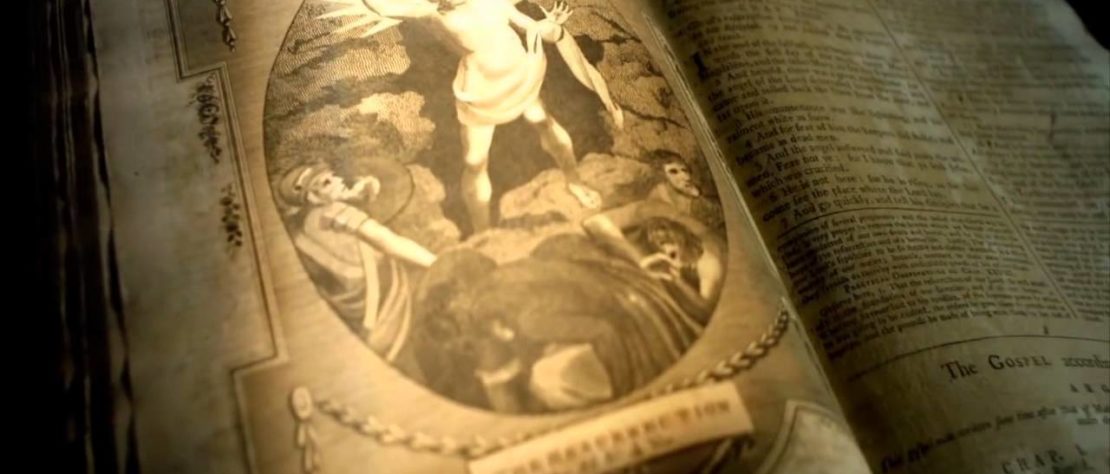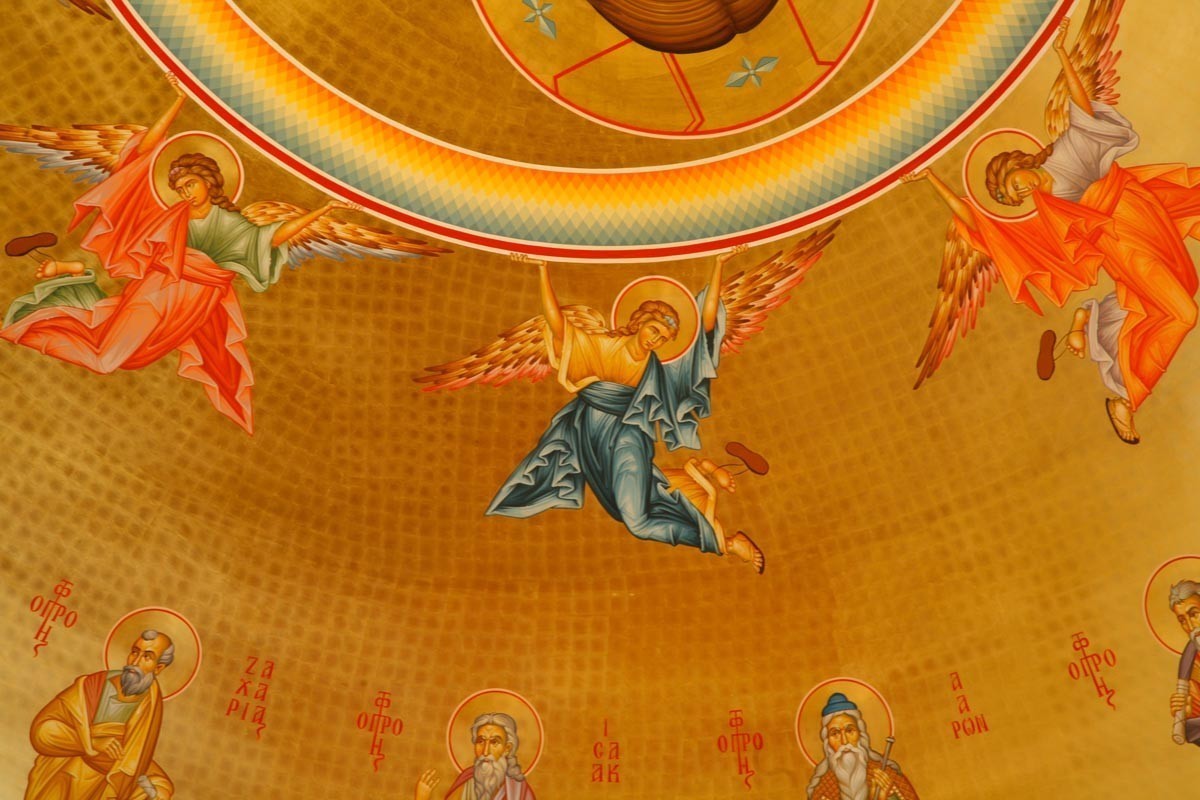

Une des grandes questions personne a demandé des nouvelles de Mel Gibson La passion du Christ est ce : Si la crucifixion était un événement et ainsi un central historiques à l'evangile chrétien, pourquoi est-elle cette là n'est-elle aucune évidence lesquels d'un homme sur une croix dans l'art chrétien et des monuments pendant presque sept siècles ? Pas jusqu'au CE 692, dans le règne de l'empereur Justinian II, était il a décrété que dorénavant au lieu d'un agneau (le signe zodiacal du Bélier) fixé sur la croix, la figure de Jésus soit placée là à la place. Une autre question : Comment ilse fait- il que la première figure connue de n'importe quel homme sur une croix vient d'environ 300 BCE et que la « personne » n'est pas Jésus mais Orphée, un soleil-dieu grec mythique ? Plus de manière significative, pourquoi y avait-il tellement beaucoup crucifiés ou les sauveur-dieux autrement mutilés dans l'antiquité ? On a penser seulement du découpage aux morceaux de l'Osiris ressuscité plus défunt, ou de Horus, ou Dionysus, ou Prometheus, ou beaucoup plus de héros-divinités pareillement torturées. Les tombes de créseau de disciple ont par le passé écrit un livre intitulé Le monde seize a crucifié des sauveurs : Christianisme avant le Christ. Le séminaire ne m'a pas indiqué cela. Sûrement la question doit se poser dans les esprits qui sont accoutumés à la pensée et pas simplement à accepter chaque histoire présentée par l'état, la religion, ou les médias à sa valeur extérieure : Pourrait-il y avoir une certaine signification plus profonde à ce mythe mourir-se levant entier d'un dieu qui saute vers le haut partout dans le monde antique ? La plus grande erreur de Mel Gibson n'était-elle pas le fuseau omniprésent et ever-so-carefully filmé dans son sermon de deux heures mais le fait qu'il a pris absolument littéralement quelque chose qui peut seulement être correctement comprise dans le contexte de quel symbolisme de crucifixion est tout environ ? Ne faites aucune erreur : Les sages antiques qui ont conçu les grands mythes de Sumer, Chaldea, l'Egypte, et la Grèce n'ont pas eu le plus léger intérêt pour l'histoire externe comme nous la savons. Leur souci principal était les vérités éternelles du coeur humain et des secrets de notre évolution intérieure et spirituelle.
Chaque dieu dans chaque religion antique a dû souffrir et mourir pour dépeindre deux réalités : Que chacun de nous est un porteur d'un fragment ou d'une étincelle de déité.
Dieu a la chair devenue dans chacun de nous. This is the God within or, in Christian terms, “the Christ in you.” It’s the inner meaning of the Christian doctrine of the Incarnation. This was a costly sacrifice, a divine outpouring in love and pity for the animal-human that could only be expressed symbolically as a tearing into pieces of God’s very being. The ancients said: “The gods distribute divinity.” The giving out of pieces of bread at a Eucharist ? an almost universal phenomenon globally in every early culture ? is precisely about this sacrificial distribution of divine energies. The body of humanity and the “body” of God are re-membered or put back into one grand harmony in this symbolic act. The same is true of the shared cup of wine ? a ritual partaking of the spiritual essence of God’s life. However, in the 3rd century CE, the Church succumbed to the temptation to pander to the ignorance of the masses and so took the old esoteric doctrine, simplified it and turned it into literalized history. The truth about God coming in man — i.e., into every human — to raise us up, became a literal story about God coming as a man. To make sure this story stuck, all pagan opposition was quelled with an unequaled fury. Mystery schools and philosophical academies were closed down, libraries of books were burned, and anathemas were hurled at all who dared to raise objections. Those who risked everything by pointing out that the Christians had taken over all the old Pagan myths, rites, and ceremonies but transformed them by literalizing everything were either banished or killed. That so-called “pious frauds,” forgery and deceit of every kind were widely used in a cover-up is testified to by some of the early Christian apologists themselves. Even the major church historian, Eusebius — as shifty a writer as one could imagine, according to Edward Gibbon — gloated over the fact that he managed (in his account) to “make everything right” for the Church. There is glorious good news at the heart of the Christian message but Gibson’s film with its ponderously literalist approach doesn’t even come close to it. It’s small wonder there is so much violence in the world if the God behind and through it all condones ? no, demands ? the literal kind of violence Gibson has proved himself so proficient at putting on the screen. But, it’s not only the violence that is so off-putting. It’s the misunderstanding of what the New Testament drama is actually about. One can’t blame Gibson. The Church itself has to face the enormity of the harm its failure to understand its own message has brought to millions through the centuries. Tom Harpur’s latest book is The Pagan Christ: Recovering the Lost Light (Thomas Allen)
Subscribe
Subscribe Articles With
Bloglines, Google Reader, My MSN, Netvibes, Newsburst
Newsgator, Odeo, Pluck, Podnova, Rojo, My Yahoo!, Desktop Reader
ABarton said on 18 May 2007: