
Saviour-боги покалеченные в течении древности


30-ое марта 2007

Tom Harpur

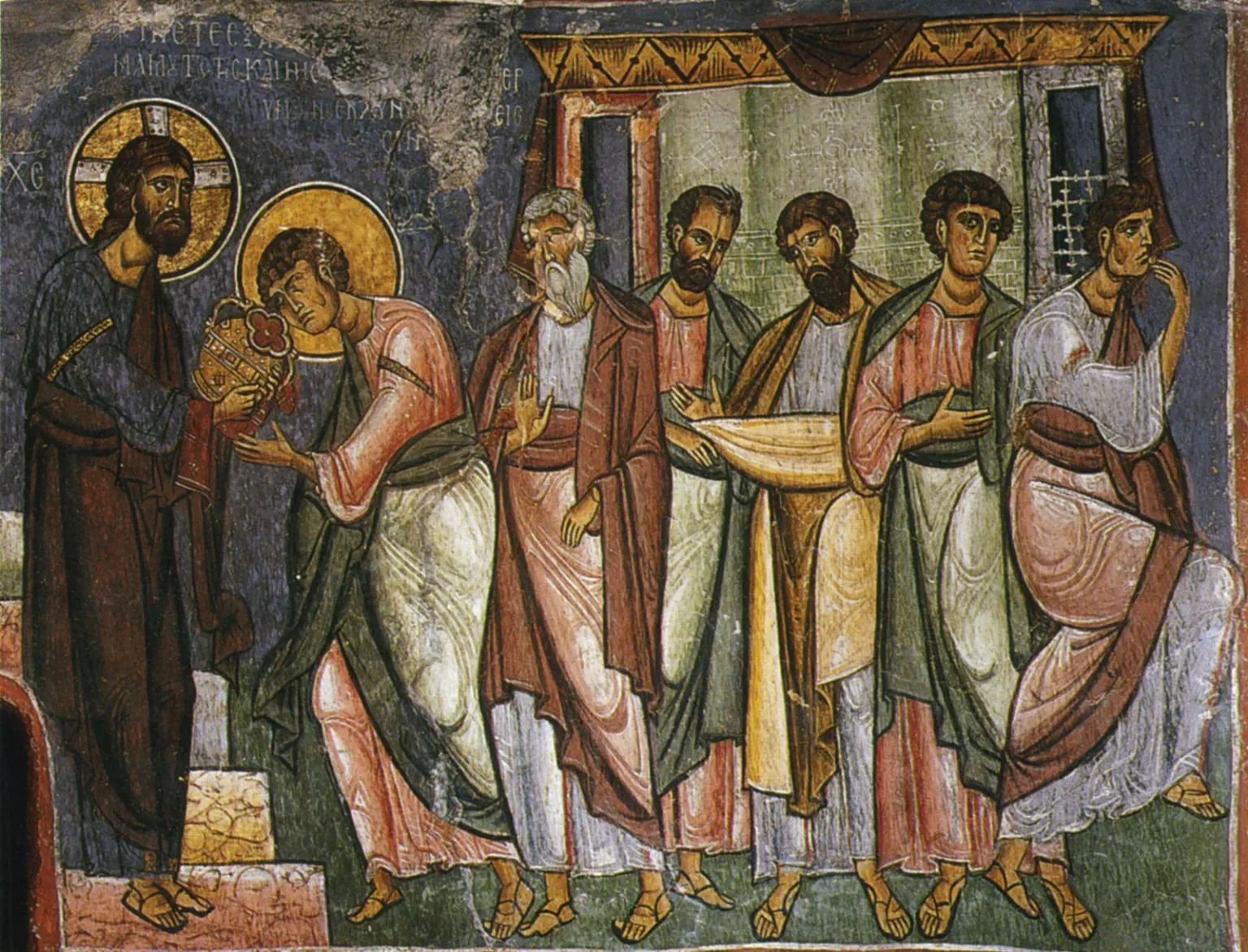
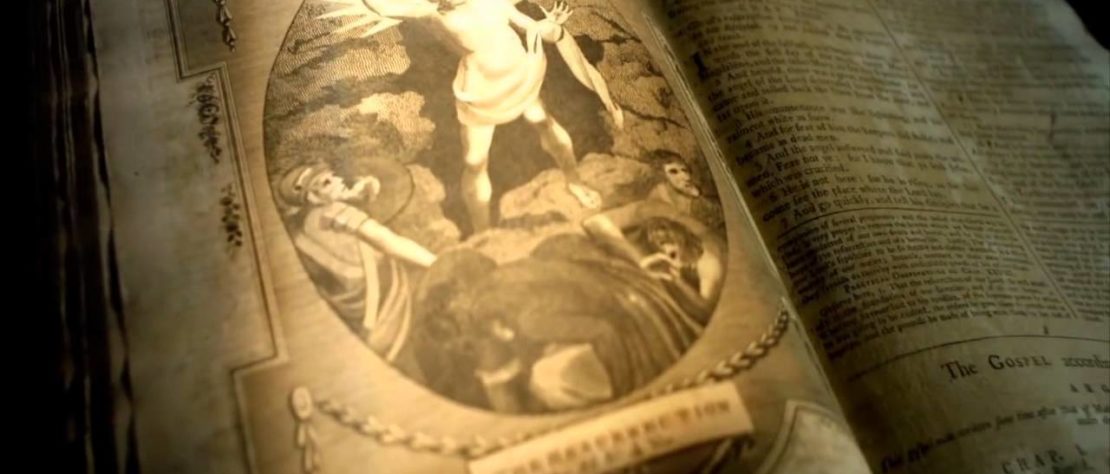
больших вопросов никто спрашивать о Mel Гибсон Страсть Christ это: Если crucifixion было историческими случаем и так централью к Кристиан Gospel, то почему оно то там будет никаким доказательством из человека на кресте в искусствое Кристиан и памятников на почти 7 столетий?

Не до CE 692, в царствовании Emperor Justinian II, не находиться оно постановило что henceforth вместо овечки, чтобы zodiacal знака Aries) зафиксированной на кресте, рисунок Иесус был помещен там вместо. Другой вопрос: Как оно что самый предыдущий известный рисунок любого человека на кресте приходит от около 300 BCE и что «персона» будет не Иесус а Orpheus, мифический греческий солнц-бог?

Более значительно, почему настолько были распянными много или в противном случае покалеченными saviour-богами в древности? Одно имеет только думать вырезывания к частям более последнего воскрешенного Osiris, или Horus, или Dionysus, или Prometheus, или many more подобно попытали героя-divinities. Могилы кирзы эрудита раз писали озаглавленную книгу 16 мира распяли Saviours: Христианство перед Christ. Seminary не сказало мне то.

Уверенно вопрос должен возникнуть в разумах привыкнуты к думать и как раз к признавать каждый рассказ представленный положением, вероисповеданием, или средствами на своем поверхностном значении: Смогло быть некоторая более глубокая смысль к этому всему умирать-поднимая мифу бога хлопает вверх везде в античном мире? Не была ошибкой Гибсон Mel большой ubiquitous и ever-so-carefully снятая ластовица в его 2-хой часов проповеди а факте что он принял совершенно буквальн что-то можно только правильн понять в смысле что символизм crucifixion совсем около?

Не совершейте никакая ошибка: Стародедовские sages изобрели большие мифы Sumer, Chaldea, Египт, и Греция не имели самый небольшой интерес в внешней истории по мере того как мы знаем ее. Их главной заботой были вечные истины людского сердца и секретов нашего внутреннего, духовного развития.

Каждый бог в каждом стародедовском вероисповедании должен вытерпеть и умереть для того чтобы показать 2 реальности:

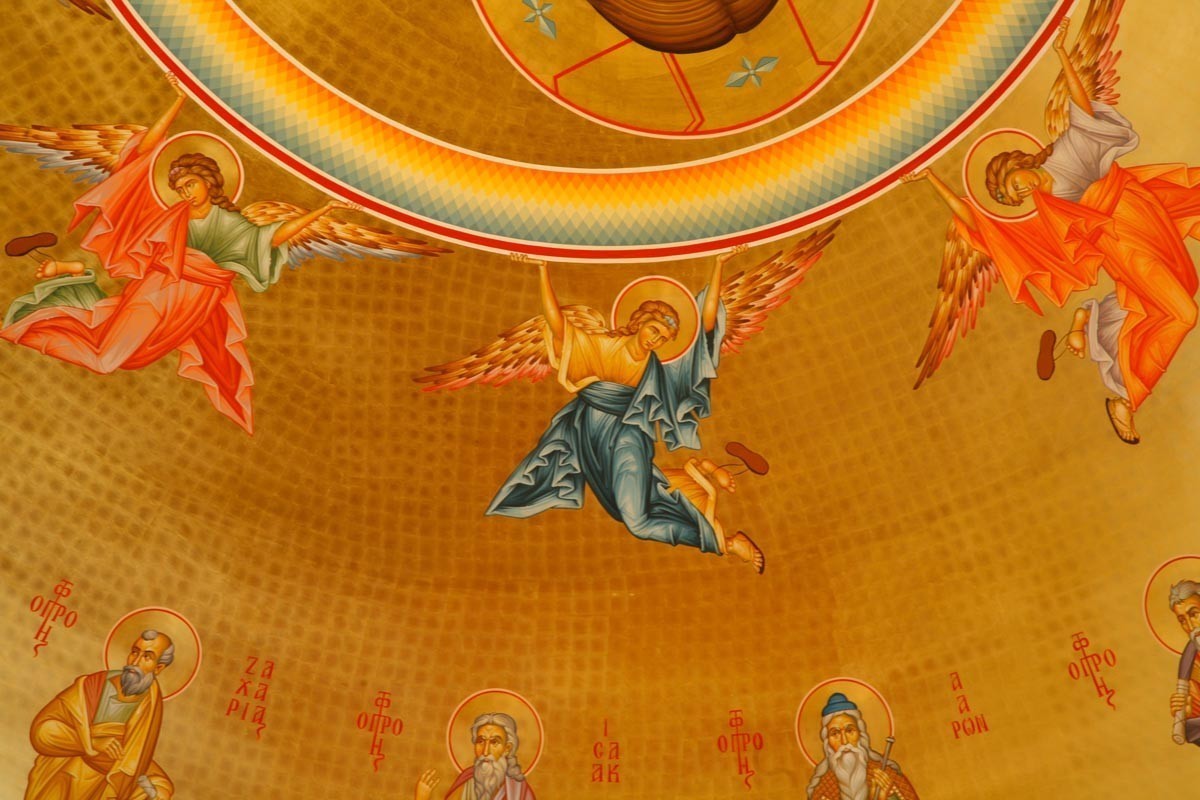
Что each of мы будем подателем части или искры deity. Бог имеет, котор стали плоть в each of мы. This is the God within or, in Christian terms, “the Christ in you.” It’s the inner meaning of the Christian doctrine of the Incarnation.

This was a costly sacrifice, a divine outpouring in love and pity for the animal-human that could only be expressed symbolically as a tearing into pieces of God’s very being. The ancients said: “The gods distribute divinity.” The giving out of pieces of bread at a Eucharist — an almost universal phenomenon globally in every early culture — is precisely about this sacrificial distribution of divine energies. The body of humanity and the “body” of God are re-membered or put back into one grand harmony in this symbolic act. The same is true of the shared cup of wine — a ritual partaking of the spiritual essence of God’s life.

However, in the 3rd century CE, the Church succumbed to the temptation to pander to the ignorance of the masses and so took the old esoteric doctrine, simplified it and turned it into literalized history. The truth about God coming in man — i.e., into every human — to raise us up, became a literal story about God coming as a man.

To make sure this story stuck, all pagan opposition was quelled with an unequaled fury. Mystery schools and philosophical academies were closed down, libraries of books were burned, and anathemas were hurled at all who dared to raise objections. Those who risked everything by pointing out that the Christians had taken over all the old Pagan myths, rites, and ceremonies but transformed them by literalizing everything were either banished or killed.

That so-called “pious frauds,” forgery and deceit of every kind were widely used in a cover-up is testified to by some of the early Christian apologists themselves. Even the major church historian, Eusebius — as shifty a writer as one could imagine, according to Edward Gibbon — gloated over the fact that he managed (in his account) to “make everything right” for the Church.

There is glorious good news at the heart of the Christian message but Gibson’s film with its ponderously literalist approach doesn’t even come close to it. It’s small wonder there is so much violence in the world if the God behind and through it all condones — no, demands — the literal kind of violence Gibson has proved himself so proficient at putting on the screen.

But, it’s not only the violence that is so off-putting. It’s the misunderstanding of what the New Testament drama is actually about. One can’t blame Gibson. The Church itself has to face the enormity of the harm its failure to understand its own message has brought to millions through the centuries.

Tom Harpur’s latest book is The Pagan Christ: Recovering the Lost Light (Thomas Allen)

One Response to “Saviour-gods Mutilated Throughout Antiquity”

  1. ABarton said on 18 May 2007:


Leave a Reply

You must be logged in to post a comment.