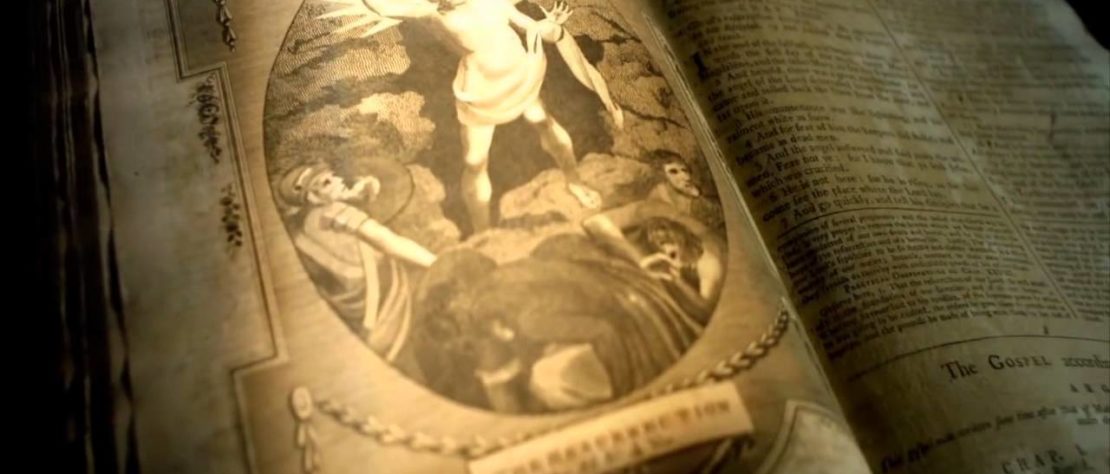
其中一个大问题没人询问麦Gibson的 基督的激情 是这: 如果在十字架上钉死是一历史的事件和如此中央对基督徒福音书,为什么是它那那里是没有证据什么一个人在一个十字架在基督徒艺术和纪念碑差不多七个世纪? 不直到692铈,在王朝皇帝Justinian II,它下旨从此而不是在十字架(白羊星座的黄道带标志)固定的羊羔,耶稣图改为被安置那里。 另一个问题: 怎么样所有人最早期的熟悉的图在十字架来自大约300 BCE,并且“人”不是耶稣,而是Orpheus,一个神话希腊太阳神? 极大,为什么有那么许多被迫害的或否则被切断的救主神在上古? 你有只认为切口对最新复活的Osiris的片断,或者Horus或者Dionysus或者Prometheus,或者许多相似地被拷打的英雄神性。 学者粗绒布裤坟墓曾经写了题为的一本书 世界的十六迫害了救主: 基督教在基督之前. 温床没有告诉我那。 肯定问题在习惯认为和不仅接受状态、宗教或者媒介提出的每个故事在它的表面价值的头脑里必须出现: 可能有某一更加深刻的意思到在古老世界突然出现到处的这个整体死上升的神神话? 不麦Gibson的最巨大的错误是否是普遍存在和ever-so-carefully被摄制的血块在他的两小时布道,而是事实他绝对逐字地采取了可能适当地只被了解就什么在十字架上钉死象征主义状况的事所有? 不要犯错误: 构想Sumer了不起的神话的古老贤哲, Chaldea、埃及和希腊在外在历史上没有最轻微的兴趣,我们知道它。 他们的主要关心是人的心脏和我们的内在,精神演变秘密的永恒的真理。
每个神在每种古老宗教必须遭受和死描述二现实: 每一我们是神片段或火花的持票人。
上帝有成为的骨肉在每一我们。 This is the God within or, in Christian terms, “the Christ in you.” It’s the inner meaning of the Christian doctrine of the Incarnation. This was a costly sacrifice, a divine outpouring in love and pity for the animal-human that could only be expressed symbolically as a tearing into pieces of God’s very being. The ancients said: “The gods distribute divinity.” The giving out of pieces of bread at a Eucharist — an almost universal phenomenon globally in every early culture — is precisely about this sacrificial distribution of divine energies. The body of humanity and the “body” of God are re-membered or put back into one grand harmony in this symbolic act. The same is true of the shared cup of wine — a ritual partaking of the spiritual essence of God’s life. However, in the 3rd century CE, the Church succumbed to the temptation to pander to the ignorance of the masses and so took the old esoteric doctrine, simplified it and turned it into literalized history. The truth about God coming in man — i.e., into every human — to raise us up, became a literal story about God coming as a man. To make sure this story stuck, all pagan opposition was quelled with an unequaled fury. Mystery schools and philosophical academies were closed down, libraries of books were burned, and anathemas were hurled at all who dared to raise objections. Those who risked everything by pointing out that the Christians had taken over all the old Pagan myths, rites, and ceremonies but transformed them by literalizing everything were either banished or killed. That so-called “pious frauds,” forgery and deceit of every kind were widely used in a cover-up is testified to by some of the early Christian apologists themselves. Even the major church historian, Eusebius — as shifty a writer as one could imagine, according to Edward Gibbon — gloated over the fact that he managed (in his account) to “make everything right” for the Church. There is glorious good news at the heart of the Christian message but Gibson’s film with its ponderously literalist approach doesn’t even come close to it. It’s small wonder there is so much violence in the world if the God behind and through it all condones — no, demands — the literal kind of violence Gibson has proved himself so proficient at putting on the screen. But, it’s not only the violence that is so off-putting. It’s the misunderstanding of what the New Testament drama is actually about. One can’t blame Gibson. The Church itself has to face the enormity of the harm its failure to understand its own message has brought to millions through the centuries. Tom Harpur’s latest book is The Pagan Christ: Recovering the Lost Light (Thomas Allen)
Subscribe
Subscribe Articles With
Bloglines, Google Reader, My MSN, Netvibes, Newsburst
Newsgator, Odeo, Pluck, Podnova, Rojo, My Yahoo!, Desktop Reader
By Month
Most Popular Articles
- The Authentic Gospel of Jesus: Evidence That Demands Christians Rethink Their Faith
- The Consensus on Homosexuality and The Illiteracy of Christian Polemicists
- Missionary Activity in Kosovo and the Causes of Muslim Conversions
- Learning Christianity in five minutes
- Response To "Muhammad as Al-Amin (the Trustworthy): How His Enemies Really Viewed Him" And The Christian Missionaries
- Another Rational Approach to the Prophethood of Muhammad (P)
- An Eye-Opening Biblical Narration
ABarton said on 18 May 2007: