The Hijab and The Muslim Woman Hijab a moslimské ženy

Published on: Publikované dňa:

Tuesday 17 Jul, 2007 Utorok 17 júl 2007

Email This PostPrint This Post

If you're new here, you may want to get regular updates via Ak ste tu nový, možno budete chcieť získať pravidelné aktualizácie cez RSS feed RSS feed . . Thank you for visiting! Ďakujeme vám za návštevu!

Mazuin Osman @ SJ Clarke Mazuin Osman @ SJ Clarke

The Islamic revival symbolized by the current resurgence of the hijab is often considered as an attempt of Arab Muslims to restore their pride and identity which have been repeatedly undermined by colonization and economic retardation. Islamské obrodenie symbolizuje súčasné oživenie hijab je často považované za pokus o arabských moslimov k obnoveniu ich hrdosti a identity, ktoré boli opakovane narušené kolonizácie a ekonomického spomalenia. Man has always had a conservative tendency and reacts against which is new and unfamiliar without realizing whether it is good or bad for him. Človek má vždy konzervatívne tendencie a reaguje na ktorý je nový a neznámy, bez toho aby si uvedomil, či je dobré alebo zlé pre neho. Some people still think the Muslim women insist on wearing hijab which is the “very symbol of the oppressed situation because they are enslaved by the tradition and are not sufficiently aware of their lamentable situation. Niektorí ľudia si stále myslia, moslimské ženy trvajú na nosenie šatkám, ktorý je "veľmi symbol utláčaných situáciu, pretože sú zotročovania tradíciu a nie sú dostatočne vedomí svojich žalostný stav. “If only”, they probably think, “the movement of the women's liberation and independence awakes those women's mind, they will take away the hijab .” "Keby len", že nejspíš myslia, "pohyb ženské oslobodenie a nezávislosť prebúdza ženskej mysli tie, budú odnášať hijab."

women_quran_reading.jpg

Such a naive point of view is shared by the people who have little knowledge of Takéto naivný názor zdieľa aj ľudia, ktorí majú len málo informácií Islam Islam . . They, who are so accustomed to the secularism and religious eclecticism, are simply unable to understand that the teaching of Islam is universal and eternal. Oni, ktorí sú tak zvyknutí na sekularizmu a náboženského eklekticizmu, sú jednoducho nemôže pochopiť, že učenie islamu je univerzálny a večné. Anyway, there are more and more women, beyond the Arab nationality, all over the world embracing Islam as the true religion and covering the hair. Mimochodom, existuje viac a viac žien, než arabskej národnosti, po celom svete prijať islam ako skutočné náboženstvo a pokrývajú vlasy. The hijab is surely a strange object for non-Muslim people. Hijab je určite podivný objekt pre non-moslimské ľudí. For them, the hijab does not cover the woman's hair but also hides something to which they have no access, and that is the real reason as to why they feel uneasy. Pre nich hidžáb nepokrýva ženské vlasy, ale tiež skrýva niečo, ku ktorým nemajú prístup, a to je ten pravý dôvod, prečo sa cíti nesvoj. From the outside, effectively, they can never see what is behind the hijab . Zvonku, efektívne, môžu nikdy vidieť, čo je za hidžáb. Every Muslim devotes his or her life to God. Každý moslim venuje svoj život Bohu. It is a wonder as to why why people who say nothing about the “veil” of the Catholic nuns criticize the veil of the muslima , considering it a symbol of “terrorism” or “oppression”. Je až prekvapujúce, prečo, prečo ľudia, ktorí hovoria, nič o "závoj" katolícke mníšky kritizujú závoj moslima, pretože sa domnieva, že symbol "terorizmus" alebo "útlak".

“Why hide the body in its natural state?”, you may ask. "Prečo skryť telo v jeho prirodzenom stave?", Môžete sa pýtať. But think it was considered vulgar fifty years ago in Japan to swim in a swimming suit. Ale myslím, že to bolo považované za vulgárne pred päťdesiatimi rokmi v Japonsku plávať v plavkách. Now one would be able to see the Japanese swim in a bikini without shame. Teraz jeden by bol schopný vidieť japonskej plávať v bikinách bez hanby. If you swim, however, with a topless, people would say you are shameless, but go to a South France beach, where many women, young and old, take a sun-bath in a topless. Ak si zaplávať, však, s topless, ľudia by sa povedať, že sú nehanbia, ale ísť na pláž južnom Francúzsku, kde mnoho žien, mladých aj starých, sa slnko-kúpele na topless. If you go to a certain beach on the west coast in America, the nudists take a sun-bath as naked as when they are born. Ak pôjdete do niektorej pláže na západnom pobreží v Amerike, nudistov vziať slnka-kúpele ako nahý, ako keď sa narodili. On the other side, at the medieval times, a knight trembled at a brief sight of a shoe of his adoring lady. Na druhej strane, v období stredoveku, rytier sa triasol na krátky pohľad na topánku jeho zbožňujúci lady. It shows the definition of women's “secret part” can be changed. Ukazuje sa definícia "ženských tajomstvo časť" možno zmeniť. How you can answer to a nudist if she asks you why you hide yours busts and hips although they are as natural as your hands and face? Ako môžete odpovedať na nudistov, ak sa spýta, prečo ste skryť vaše poprsie a boky hoci oni sú rovnako prirodzené ako ruky a tvár? It is the same for the hijab of a muslima. Je to rovnaké pre hijab na moslima. We consider all our body except hands and face as private parts because Allah defined it like this. Sme toho názoru, všetky naše telá okrem rúk a tváre ako súkromné časti, pretože Alah definované to takhle. Its why we hide them from male strangers. Jeho dôvod, prečo sme sa schovať z mužov cudzincov. If you keep something secret, it increases in value. Ak budeš niečo tajného, že zvýšenie hodnoty. Keeping a woman's body secret increases its charm. Vedenie ženské telo tajné zvyšuje jeho kúzlo.

Even for the eye of the same sex, the nape of a sister's neck is surprisingly beautiful because it is normally covered. Aj pre oko rovnakého pohlavia, zátylku sestry krku je prekvapivo krásny, pretože je zvyčajne vzťahuje. If a man loses the feeling of shame and starts to walk naked and excrete and “make love” in the presence of other people, he would then become no different than an animal. Ak človek stráca pocit hanby a začína chodiť nahý a vylučovať a "milovať", v prítomnosti iných ľudí, on by sa potom môžu stať nič iného ako zviera. The problem of sexual harassment which is discussed very frequently proves how men are weak to resist to this kind of attraction. Problém sexuálneho obťažovania, ku ktorému sa vrátime veľmi často dokazuje, ako sú muži slabí vzdorovať tomuto druhu atrakciu. We could not expect prevention of sex harassment only by appealing men's high morality and self-control. Nemohli sme očakávať, že prevencia sex obťažovaniu iba odvolanie vysokej pánske morálka a sebaovládanie. A short skirt might be interpreted by men to say: “if you want me, you may take me”, a hijab means clearly, “I am forbidden for you.” Krátka sukňa by mohla byť vykladaná muži povedať: "Ak chcete ma, môžete ma", hijab znamená jasne: "Som zakázané pre teba."

The Muslim woman covers herself for her own dignity. Moslimská žena sa vzťahuje sama pre seba dôstojnosť. She refuses to be possessed by the eyes of a stranger and to be his object. Odmieta byť posadnutý očami cudzinca a byť jeho objekt. She feels nothing but a sense of pity for the Western women who display their private parts as sexual objects for male strangers. Cíti len pocit ľútosti pre západné ženy, ktoré zobrazí ich súkromnej časti ako sexuálne objekty pre mužský cudzincami. If one observes the hijab from outside, one will never see what is hidden in it. Ak sa jedna dodržiava hidžáb zvonku, bude jeden nikdy vidieť, čo sa skrýva v ňom. Observing the hijab from the outside and living it from inside are two completely different things. Pozorovanie hidžáb zvonku a životné ho zvnútra sú dve úplne rozdielne veci. We see different things. Vidíme rôzne veci.

This gap explains the chasm separating those from the understanding of Islam. Tento rozdiel vysvetľuje priepasť medzi tie, od pochopenie islamu. From the outside, Islam looks like a “prison” without any liberty. Zvonku, islam vyzerá ako "väzenia", bez slobody. But living inside of it, we feel at peace and experience freedom and joy that we have never known before. Ale žijú vnútri je, cítime v mieri a skúsenosti slobodu a radosť, že sme sa nikdy predtým nepoznal. We choose Islam against the so-called freedom and pleasure. If it is true that Islam is a religion that oppresses the women, why are there so many young women in Europe, in America, and in Japan who abandon their liberty and independence to embrace Islam? A person blinded because of his prejudice may not see it, but a woman with the hijab is so brightly beautiful as an angel or a saint with self-confidence, calmness, and dignity. Vyberáme islamu proti takzvaný slobodu a radosť. Ak je pravda, že islam je náboženstvo, ktoré utláča ženy, prečo je tam toľko mladých žien v Európe, v Amerike a v Japonsku, ktorí opustia svoju slobodu a nezávislosť obejmout islam? osoba oslepil, pretože jeho dotknutá nesmie vidieť, ale žena s hidžáb, je tak jasne, krásna ako anjel alebo svätec s sebavedomie, pokoj a dôstojnosť. Not a slight touch of shade nor any trace of oppression is visible on her face. Nie dotyk tieňa, ani žiadne stopy útlaku je vidieť na tvári.

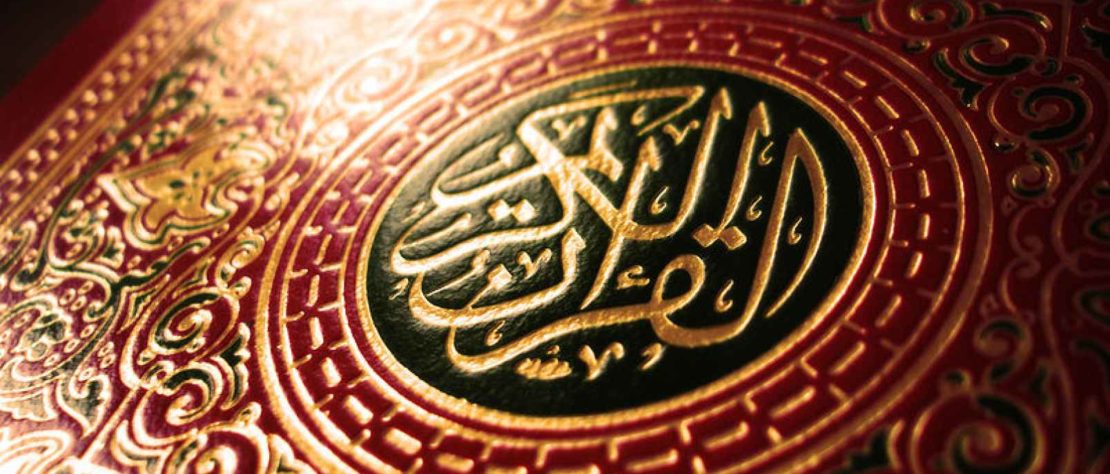
“They are blind and cannot see” , says the Qur'an about those who deny the sign of Allah, but by what else can we explain this gap on the understanding of Islam between us and those people? "Sú slepí a nevidia," hovorí Korán o tých, ktorí popierajú znamenia Božie, ale čo iného môžeme vysvetliť túto medzeru na pochopenie islamu medzi nami a tými ľuďmi? bismika tombstone The Hijab and The Muslim Woman

The author is a college lecturer and she blogs at Autor je docent a ona blogy na Awinsjclarke Blog Awinsjclarke Blog . .
  • Digg
  • Facebook
  • Google Bookmarks
  • LinkedIn
  • del.icio.us
  • MySpace
  • Live
  • NewsVine
  • Propeller
  • Reddit
  • BlinkList
  • Sphinn
  • StumbleUpon
  • SphereIt
  • Technorati
  • Tumblr
  • Fark
  • Yahoo! Buzz
  • Posterous
  • Twitter

2 Responses for 2 Citlivosť prístroja pre "The Hijab and The Muslim Woman" "Hijab a moslimské ženy"

  1. hijab hijab says: hovorí:

    Everyone has a right to dress the way they want so if a Muslim woman wants to wear a Každý má právo obliekať tak, ako chcú, takže ak moslimská žena sa chce nosiť hijab hijab she should be able to Mala by byť schopná

  2. afzal says: Afzal hovorí:

    hello, Dobrý deň,

    the so-called 'injunction' is of course the fuqaha's construct of the texts. takzvaný 'príkaz' je samozrejme fuqaha na výstavbu textov. the same fuqaha who say that the non-free muslims girl's hair is NOT subject to being covered. rovnaké fuqaha, ktorí hovoria, že non-free moslimov dievča vlasy nie je predmetom sú pokryté.

    the supporters of the hijab (surely you wouldn't want women to wear it compulsorily) are on to a loser right from the start: the word 'hijab' means a 'curtain.' priaznivci hidžáb (určite by ste nechceli, aby ženy nosiť povinne), sú na loser hneď od začiatku: slovo 'hijab' znamená 'opona.' this is specifically used for the wives of the prophet speaking etc behind it. to sa používa predovšetkým pre manželky proroka rozprávanie atď za ním. it doesn't mean headcover. neznamená to, headcover. the word for headcover is 'khimar' that u use the word 'hijab' to mean headcover ought to send alarms ringing -, yes khimar something which the men wore too. slovo pre headcover je 'khimar', že u používať slovo 'hidžáb' znamená headcover mal poslať alarmy zvonenia - áno khimar čo muži nosili tiež. that the muslim women should cover using THEIR khimars – means that it was something already in vogue -it's not a new 'injunction'. že moslimské ženy by sa mali týkať používania svojich khimars - znamená, že to bolo niečo, čo už v móde-to 'nie je nový' príkaz '. the point is being free from molestation. bod je bez obťažovania. that's is the maqsid of the shar'. To je maqsid z Shar '. why not apply islam for today? prečo neplatí islam pre dnešok?

    Leave a Reply Required

    You must be Tie musia byť logged in prihlásený to post a comment. aby ste mohli písať komentár.