
محفوظ ل ال `كتاب مقدّس' صنف

أحيانا, يتصادف نحن مسيحيات وجها لوجه و, أكثر غالبا, على الإنترنت, الذي, عندما يعلم أنّ النص من البشائر تحمّل فساد أثناء عمليّت بثّهم, غالبا تجاوبت مع النوع تالي أسئلة: "متى? الذي أتمّ الفساد? في ما بلد? [بفور ور فتر] [موهمّد]? لماذا كان هو أتمّت? [هوو كم] لا أحد لاحظ هو?" يكشف هذا نوع من على ما يبدو "بريئة" أسئلة فقط الحالة جهل ضخمة [إينكلكلبلي] من الشخص في سؤال. لا يبدو مسيحيات الذي يطرح هذا أسئلة أن يحقّق كيف تماما حمقاء هم [كم كروسّ تو] أيّ شخص الذي يكون [فميلير ويث] على الأقلّ الأسس جدّا من نقد نصّيّة. لذلك, ينجح ال [قوسأيشنر] فقيرة فقط داخل على يهين [نو ون لس] غير أنّ بنفسي. مسيحية يحتاج مدافعات ومبشرات أن يتوقّف يطرح هذا متروكة, أسئلة حمقاء بما أنّ هو يعكس الى حدّ بعيد على نحو رديء على ذكاءهم ويعطي أخرى إنطباع سيّئة جدّا من هم.

جعلت هذا فيلم قصيرة كان في أقلّ من [تونتي فوور] ساعات [إين رسبونس تو] [جرت] [ويلدرس] [أنتي-يسلم] فيلم [بولميكل], يخوّل "[فيتنا]". ال [سإكس-مينوت] يأخذ فيديو يدعى "[سكهيسم]" ب 33 [ير-ولد] سعوديّة [بلوغّر] غارة [أل-سيد] نصوص عنيفة توراتيّة ويرصّعهم مع [رنتس] ناريّة بمسيحية أصوليّة شباب زعيمة في تكساس. [كودوس] يذهب إلى الأخ مسلمة الذي وجّه الفيديو. هذا النوع من "إستجابة" أنّ يكون لازمة من [موسليم], إستجابة عقليّة ولا واحدة أيّ يكون أسّست على عاطفة.

يحبّ كثير مسيحيات الحوت [سم] [شموون], [كريغ] ونّ وأخرى ببساطة يحبّ [غو رووند] [بد-مووثينغ] [قور]', [سينغ] أنّ هو يحتوي "يفسد, تعليمات [نونسنسكل]". تركتنا يتلقّى يتلقّى لمس من هم "[سنسكل]" كتاب مقدّس.
قبل أن يباشر أنا أبعد أنا أحبّت أن يفيد [فور ث ركرد] أنّ [موسليم] تماما صدمت وضأيقت أنّ الكتاب مقدّس يصوّر رسل عظيمة إلهة بما أنّ [لوو-ليف] سكيرات. يعاود إلى القصة, إشعار كيف القصة يقول لحم خنزير, الأب من كنعان. هذا بالأحرى ممتعة. يبدو مثل ه يحاول أن يبرهن أو قدت إلى شيء.

هو معروفة أنّ ال "يتلقّى مسيحية" من اليوم أصول ملتبسة, أيّ بسخرية لا يأتي من يسوع, سلام على ه (رغم أنّ البنية كاملة يكون نسبت إلى ه), غير أنّ من بول من [ترسوس], الذي يستطيع كنت بحقّ أحلت بما أنّ "أنّ [ستنيك] رسول" . For it was Paul who laid down the religious foundations of today’s Christianity, doctrines based on the idolatry and philosophical thought of the Greco-Roman empire at the time.

Was Sarah really Abraham’s sister? Ibn Hazm questions the status of Sarah as being Abraham’s sister, as accepting that viz., from the Biblical perspective would result in various disagreements with other passages in the Old Testament concerning moral and theological issues. This is in reference to the stories of Sarah’s seizure by Pharaoh and Abime’elech which was narrated in Genesis 12:10-18 and Genesis 20, Genesis 17:17 and Genesis 20:1-18. We cite the related passages on the story of the seizure of Sarah as follows.

Does God change or does not change His mind? According to Ibn Hazm, Exodus 32:10-14 and 33:3-14 ascribes al-bada’ (changing of mind) to God and hence this presents a problem to the nature of God and His characters with regard to His All-Knowing attribute. When one compares the above passages side by side, the internal contradictions between especially Exodus 32:10, 32:14 and 33:2-3 on the one hand and Exodus 33:14 on the other, clearly raises many problems of theological and moral concern from the Biblical context. In this case that was quoted above, in spite of God’s determination to punish the Israelites for their idolatrous conduct, He did not execute punishment due to the intercession of Moses who had “reminded” God of His promise made with Abraham and the patriachs for their descendents. This Biblical passage seems to implicitly suggest that this “reminder” had made God realise his “wrong” decision and have Him repenting for it. Such an obvious “error” or even to imply such a thing is hardly befitting any person of integrity, let alone God, the Almighty.

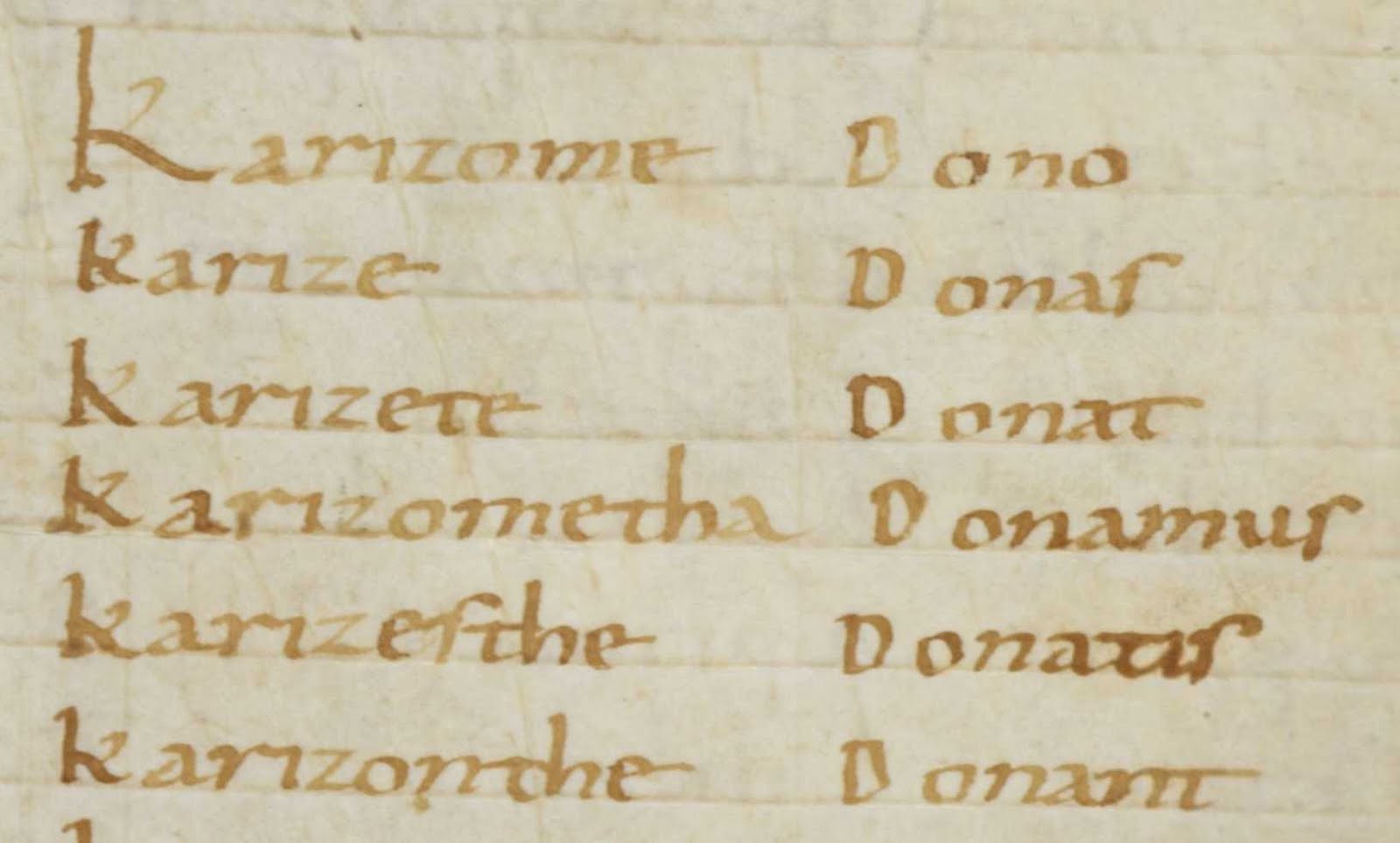
“Versions” are simply the translations of the New Testament into other languages. The New Testament writers originally wrote their books and epistles in the Greek language whereas the versions are translations of their writings into other languages. Naturally, non-Greek speaking Christians wanted the text of the New Testament in their own local languages and so the New Testament began to be translated into other languages sometime in the mid to late second century. An important point to remember is that no matter how many thousands of translations exist, it remains that they are in a different language from the original language (Greek) of the New Testament, thus their use and value will be limited.

The authors of the New Testament have often quoted passages from the Old Testament, claiming such statements to be prophecies fulfilled in the person of Jesus Christ. The number of such quoted passages is actually very high. Among the evangelists, Matthew is the one having made this phenomenon characteristic to his Gospel. The prophecy carries a very important place in the Christian theology. Every Christian knows about the prophecies of the books of Psalms, Isaiah, and Daniel related to the childhood, life, mission, and death of Jesus. To every Christian, these prophecies are the clear evidence of the truth of Gospels and mission of Jesus in general. The problem is that according to the Bible, there exists true prophecies as well as false ones. Hence the question arises on the necessary criteria to distinguish a false prophecy from a true one.