This fascinating essay, written by King Hussein's grandfather King Abdullah, appeared in the United States six months before the 1948 Arab-Israeli War. Цей захоплюючий нарис, написаний дід короля Хусейна королю Абдаллі, з'явився в Сполучених Штатах, за шість місяців до 1948 арабо-ізраїльської війни. In the article, King Abdullah disputes the mistaken view that Arab opposition to Zionism (and later the state of Israel) is because of longstanding religious or ethnic hatred. У статті, король Абдулла спорів помилкова думка, що арабські проти сіонізму (а згодом і держави Ізраїль) через давню релігійної або етнічної ненависті. He notes that Jews and Muslims enjoyed a long history of peaceful coexistence in the Middle East, and that Jews have historically suffered far more at the hands of Christian Europe. Він відзначає, що євреї і мусульмани давню історію мирного співіснування на Близькому Сході, і євреї історично піддавалися набагато більше в руках християнської Європи. Pointing to the tragedy of the holocaust that Jews suffered during World War II, the monarch asks why America and Europe are refusing to accept more than a token handful of Jewish immigrants and refugees. Вказуючи на трагедію Голокосту, що євреї постраждали під час Другої світової війни, монарх запитує, чому Америка і Європа відмовляються приймати більш ніж символічну жменю єврейських іммігрантів та біженців. It is unfair, he argues, to make Palestine, which is innocent of anti-Semitism, pay for the crimes of Europe. Це несправедливо, вважає він, щоб Палестині, який є невинною антисемітизму, платити за злочини Європи. King Abdullah also asks how Jews can claim a historic right to Palestine, when Arabs have been the overwhelming majority there for nearly 1300 uninterrupted years? Король Абдалла також запитує, як євреї можуть претендувати на історичне право до Палестини, коли араби були в переважній більшості там майже 1300 років безперервно? The essay ends on an ominous note, warning of dire consequences if a peaceful solution cannot be found to protect the rights of the indigenous Arabs of Palestine. Есе закінчується зловісна до відома, попередження важких наслідків у разі мирного врегулювання не може бути знайдений по захисту прав корінних арабів Палестини.
Archive for the 'Bible Textual Integrity' Category Архів за 'Біблія Текстові цілісності' Категорія
Occasionally, we come across Christians face-to-face and, more frequently, on the Internet, who, when informed that the text of the gospels underwent corruption during their transmission, often react with the following type of questions: “When? Іноді ми стикаємося з християнами лицем до лиця і, найчастіше, в Інтернеті, хто, коли повідомили, що текст Євангелія пройшли з корупцією під час їх передачі, часто вступають в реакцію з наступні типи запитань: "Коли? Who did the corruption? Хто ж з корупцією? In what country? В якій країні? Before or after Muhammad? До або після Мухаммада? Why was it done? Чому це було зроблено? How come no one noticed it?” These type of seemingly “innocent” questions merely reveal the incalculably colossal ignorance of the person in question. Чому ніхто не помітив? "Ці, здавалося б, типу" невинні "питання просто виявити незмірно повне невігластво в обличчя. Christians who pose such questions do not seem to realize how utterly foolish they come across to anyone who are familiar with at least the very basics of textual criticism. Християни, які створюють такі питання, як видається, не зовсім розуміють, як нерозумно вони зустрічаються, щоб хто-небудь, хто знайомий з принаймні самі основи текстуальної критики. Thus, the poor questioner only succeeds in on humiliating no one else but himself. Таким чином, бідні співрозмовника тільки вдасться принизити ніхто, крім самого себе. Christian apologists and missionaries need to stop posing such outdated, absurd questions since it reflects quite badly upon their intelligence and gives others a very bad impression of them. Християнських апологетів і місіонерів необхідність зупинити створює такі застарілі, безглузді запитання, оскільки вона відображає досить сильно від їхнього інтелекту і дає іншим дуже погане враження їх.
“Versions” are simply the translations of the New Testament into other languages. "Версії", просто переклади Нового Завіту на інших Мови. The New Testament writers originally wrote their books and epistles in the Greek language whereas the versions are translations of their writings into other languages. Новий Завіт письменники спочатку писав свої книги та послання грецькою мовою в той час як версії перекладу своїх робіт на інші Мови. Naturally, non-Greek speaking Christians wanted the text of the New Testament in their own local languages and so the New Testament began to be translated into other languages sometime in the mid to late second century. Природно, не грецьким християнам виступаючи хотів текст Нового Заповіту у своїх місцевих Мови і так в Новому Завіті почав бути переведені на інші Мови-то в середині-кінці другого століття. An important point to remember is that no matter how many thousands of translations exist, it remains that they are in a different language from the original language (Greek) of the New Testament, thus their use and value will be limited. Важливо пам'ятати, що незалежно від того, скільки тисяч переказів існує, вона залишається те, що вони знаходяться в іншій мову з мови оригіналу (по-грецьки) в Новому Завіті, таким чином, їх використання та вартість продукту буде обмежений.
What do the differences between Bible manuscripts reveal? Що робити відмінності між біблійних рукописів виявити? This paper is divided into the following sections: Цей документ складається з наступних розділів:
- 1. 1. They require you to produce evidence on: WHEN, HOW and WHY was the Bible corrupted Вони вимагають для отримання доказів про: Коли, як і чому був пошкоджений Біблії
2. 2. Once upon a time, there was a myth about Bible manuscripts Давним-давно, був міф про рукописи Біблії
3. 3. Evidence: more than 50 verses either omitted or added, hundreds of others changed Докази: більше 50 віршів опущені або додав, сотні інших змінилася
4. 4. Evidences from second and third century about Bible corruption Свідоцтва з другого і третього століття про корупцію Біблії
5. 5. Do the changes and corruptions of manuscripts affect doctrine? Зробіть зміни та перекрученої рукописів вплинути доктрини?
6. 6. “For God so loved the world”? "Бо так полюбив Бог світ"?
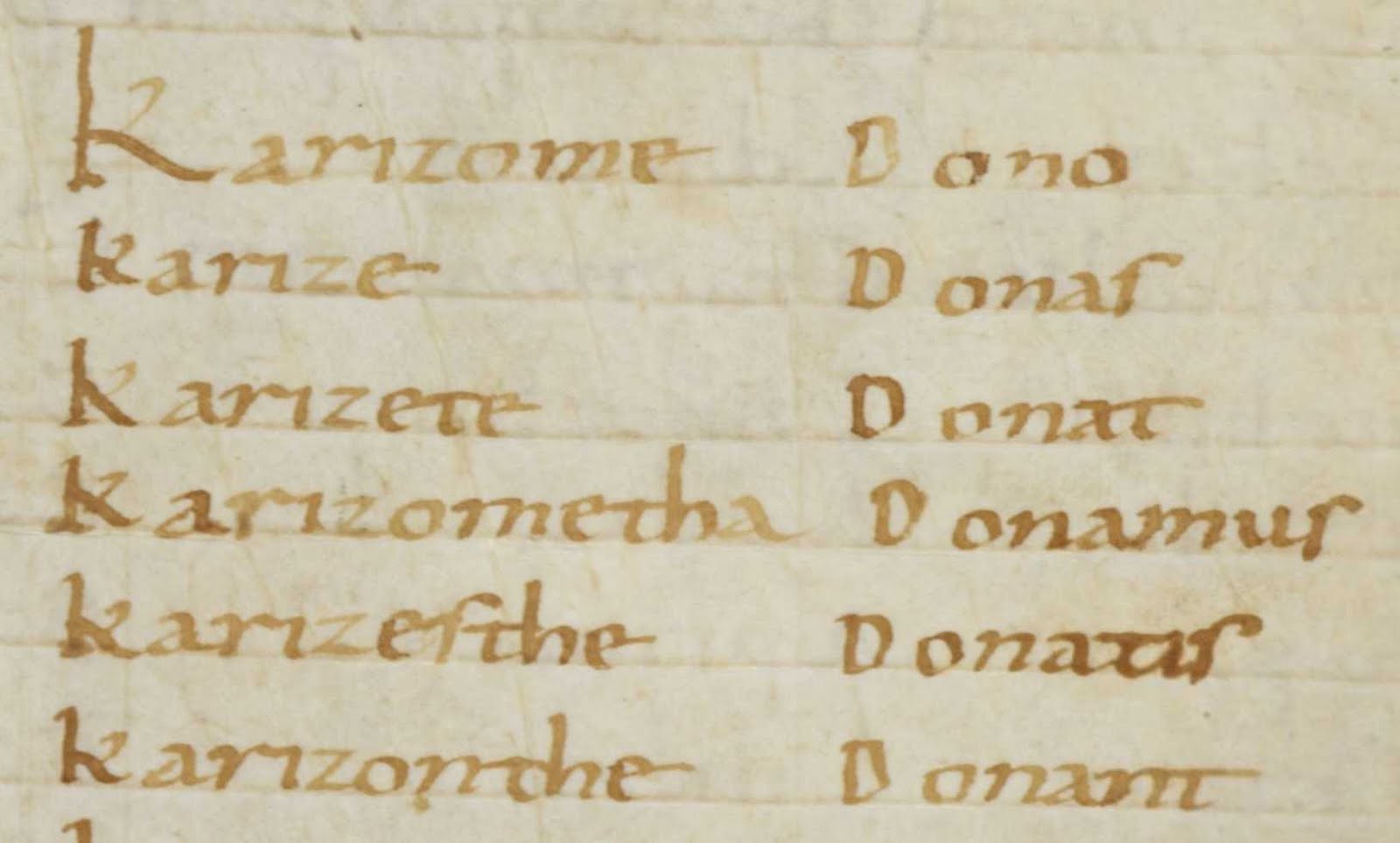
The “Old Syriac” manuscripts of the Four Gospels known as the Sinaitic Palimpsest, discovered by Mrs. Agnes Lewis in the Covenant of St. Catherine on Mount Sinai in 1892, unfortunately was forged by the Monks, deliberately, before it was sold to Mrs. Lewis and her companions. "Старий сирійська" рукописи з чотирьох Євангелій, відомої як Sinaitic палімпсест, відкрив г-жа Агнес Льюїс в Пакті Св. Катерини на горі Синай в 1892 році, нажаль, був викований ченців, навмисне, перш чим він був проданий г-жа . Льюїс і її супутників. They made a hole in the date of the manuscript, thus apparently increasing its age by 900 years. Вони зробили дірку в день рукописи, таким чином, мабуть збільшення його віку 900 років. The work actually was finished in 1599 AD The English scholars who examined it first, placed its date as of 697 AD Then, not being sure, they made a second inspection, and assigned to it a later date, at 778 AD Dr. Burkitt (then a young student), at the time of its discovery, thought that the hole in the date was natural, that is, in the skin when dated. Робота фактично була закінчена у 1599 Д. англійських вчених, які досліджували це по-перше, розміщення дату, починаючи з 697 н.е. Потім, не будучи впевнений, що зробив другий інспекції, і покладені на нього пізніше, в 778 н.е. Д-р Беркітта ( Потім молодий студент), на момент його відкриття, вважав, що отвір у день був природним, що, по шкірі, коли від. He failed to realize that no responsible scribe would date a manuscript near a hole in such a way as to leave the reader in doubt as to the exact date. Він не може зрозуміти, що жодна відповідальна переписувач буде дата рукописи поблизу отвори таким чином, щоб залишити читача сумніви щодо точної дати.
We will take the most popular Bibles such as the King James Version (KJV), the Revised Standard Version (RSV), the New International Version (NIV), the Good News Bible (GNB), the Living Bible Version (LBV) as well as the Christian Community Bible (CCB) and contrast the same verses within these Bibles. Ми будемо приймати самі популярні Біблії, таких як Версія Короля Джеймса (KJV), переглянута стандартна версія (RSV), Нова міжнародна версія (NIV), "Добра новина Біблії (ГНБ), Жива Біблія версія (LBV), а також як християнська громада Біблії (CCB) і контрастність ж у цих віршах Біблії.
I have been reading with interest the last few exchanges regarding the reading of Jeremiah 8:8 — “How can you say; 'We are wise, and the Law of the Lord is with us'? Я читав з інтересом за останні кілька обмінів про читанні Єремії 8:8 - "Як ти можеш говорити; Ми мудреці, і з нами Господній Закон? But, behold, the false pen of the scribes has made it into a lie'” Note: Whenever you see that term 'Law of the Lord', the Hebrew word is Torah To me with all due respect to my Christian brethren, I think what is stated is crystal clear. Але ось, помилкові тростину книжників, і зробив її у брехня "" Примітка: Коли ви бачите термін "закон, що від Господа, слово івриті Тори Для мене, при всій повазі до моїх християнських братів, я думаю, заявив, що гранично ясна. This will also hope to explain, insha'allah, why Jesus (P) was always so hard on the scribes. Це буде також сподіваємося, пояснювати, insha'allah, чому Ісус (P) завжди було так важко книжники та фарисеї.
I think for those who don't believe that the Torah was lost to posterity at one time would do good to read the following, insha'allah. Я думаю, для тих, хто не вірять, що Тора була загублена для нащадків на один раз піде на користь прочитав наступне, insha'allah.
Before 1881, all translations of the New Testament (including, most importantly, the 1611 King James Version (KJV), also known as the Authorised Version (AV)), were based on copies of Greek manuscripts known as the Textus Receptus, which is Latin for Received Text. До 1881 всі переклади Нового Завіту (в тому числі, найголовніше, 1611 Версія Короля Джеймса (KJV), також відомий як авторизований Версія (AV)), були засновані на копії з грецьких рукописів відомих як Textus Receptus, що Надійшло латинського тексту. (Abbreviated to TR). (Скорочено TR). But in the 19th and 20th centuries, older Greek manuscripts were discovered. Але в 19-му і 20-го століття, старі грецькі рукописи були виявлені. These manuscripts have caused Bible scholars to revise what they believe is the correct text of the New Testament. Ці рукописи Біблії привели учених переглянути, як вони вважають правильним текстом Нового Завіту. The latest revision of this Greek Text is the United Bible Societies' 'The Greek New Testament' (published by United Bible Societies, 4th Edition, 1993); (which I will abbreviate as UBS4). Останньою редакції цього грецького тексту є Організація Об'єднаних Біблійних Товариств "грецького Нового Завіту (опубліковано Організації Об'єднаних Біблійних Товариств, 4-е видання, 1993); (який я скорочу як UBS4). The successive revisions of the UBS New Testament are widely accepted in the field of Biblical Studies, and have been used for modern translations such as the Revised Standard Version (RSV), New International Version (NIV) and New Revised Standard Version (NRSV). Послідовних змін в UBS Нового Завіту широко застосовуються в галузі біблійних досліджень і були використані сучасні переклади таких як Переглянута Стандартна версія (RSV), Нова міжнародна версія (NIV) і Нью-Переглянута Стандартна версія (NRSV).