
Occasionally, we come across Christians face-to-face and, more frequently, on the Internet, who, when informed that the text of the gospels underwent corruption during their transmission, often react with the following type of questions: “When? कभी कभी हम सामना करने के लिए भर में आ-ईसाई चेहरे और, अधिक बार, इंटरनेट, पर जो, जब बताया कि gospels का पाठ संचरण के दौरान उनके भ्रष्टाचार किया है, अक्सर सवालों के निम्नलिखित प्रकार के साथ प्रतिक्रिया: "कब? Who did the corruption? जो भ्रष्टाचार किया? In what country? देश में क्या? Before or after Muhammad? मुहम्मद से पहले या बाद? Why was it done? क्यों किया था? How come no one noticed it?” These type of seemingly “innocent” questions merely reveal the incalculably colossal ignorance of the person in question. कोई नहीं कैसे यह देखा? "प्रकार के इन प्रतीत होता है" निर्दोष "सवाल केवल प्रश्न के व्यक्ति में अज्ञानता incalculably भारी प्रकट करते हैं. Christians who pose such questions do not seem to realize how utterly foolish they come across to anyone who are familiar with at least the very basics of textual criticism. ईसाई जो इस तरह के सवाल खड़ा महसूस करने के लिए पूरी तरह से कैसे मूर्ख वे किसी को भी जो के साथ परिचित हैं करने के लिए भर आया नहीं लगता है कम से कम शाब्दिक आलोचना का बहुत मूल बातें. Thus, the poor questioner only succeeds in on humiliating no one else but himself. इस प्रकार, गरीब प्रश्नकर्ता ही अपमानजनक कोई और लेकिन खुद पर में सफल हो. Christian apologists and missionaries need to stop posing such outdated, absurd questions since it reflects quite badly upon their intelligence and gives others a very bad impression of them. ईसाई मिशनरियों apologists और ऐसी पुरानी, बेतुका प्रश्न प्रस्तुत रोकने की जरूरत है क्योंकि यह काफी अपने खुफिया पर बुरी तरह से दूसरों को दर्शाता है और उनमें से एक बहुत बुरा प्रभाव देता है.
Archive for the 'Bible' Category 'बाइबल' श्रेणी के लिए
This short movie was made in less than twenty four hours in response to Geert Wilders's anti-Islam polemical movie, entitled “Fitna”. इस लघु फिल्म कम से कम चार घंटे में बीस Geert Wilders है polemical इस्लाम विरोधी फिल्म के जवाब में किया गया था, हकदार "Fitna". The six-minute video called “Schism” by 33-year-old Saudi blogger Raid Al-Saeed takes violent Biblical texts and intersperses them with fiery rants by a Christian fundamentalist youth leader in Texas. छह मिनट का वीडियो बुलाया "मतभेद" 33 वर्षीय सऊदी ब्लॉगर छापे अल सईद द्वारा हिंसक बाइबिल ग्रंथों लेता है और उन्हें टेक्सास में एक ईसाई कट्टरपंथी युवा नेता द्वारा rants के साथ उग्र intersperses. Kudos goes to the Muslim brother who directed the video. यश मुस्लिम भाई जो वीडियो का निर्देशन किया जाता है. This is the kind of “response” that is needed from Muslims, an intellectual response and not one which is based on emotion. इस "" प्रतिक्रिया है कि मुसलमानों से की जरूरत है, एक बौद्धिक प्रतिक्रिया और एक नहीं जो भावना पर आधारित है की तरह है.
Many Christians like the whale Sam Shamoun, Craig Winn and others simply love going around bad-mouthing the Qur'an, saying that it contains “perverted, nonsensical teachings”. व्हेल सैम Shamoun, क्रेग Winn और दूसरों की तरह कई ईसाई बस बुरा कुरान अटकलें चारों ओर जा रहा प्यार करता हूँ, कह रही है कि यह "शामिल विकृत, अतर्कसंगत शिक्षाओं". Let us have have a glimpse of their “sensical” Bible. हमें उनके "sensical" बाइबल की एक झलक है.
Before I proceed further I would like to state for the record that Muslims are utterly shocked and offended that the Bible portrays great messengers of God as low-live drunkards. इससे पहले कि मैं आगे बढ़ना मैं रिकार्ड है कि मुसलमान पूरी तरह से हैरान और आहत हैं कि बाइबल परमेश्वर के महान दूत के लिए राज्य में चित्रित करना चाहेंगे कम रहने के शराबियों के रूप में. Coming back to the story, notice how the story says Ham, THE FATHER of Canaan. कहानी के लिए आ रहा है वापस, नोटिस कैसे कहानी कहते हैं हाम कनान के पिता के. This is rather interesting. इस बल्कि दिलचस्प है. Seems like its trying to prove or lead to something. अपने को साबित करने की कोशिश कर रहा है या कुछ करने के लिए नेतृत्व की तरह लगता है.
It is well-known that the “Christianity” of today has dubious origins, which ironically does not come from Jesus, peace be upon him (although the whole structure is attributed to him), but from यह अच्छी तरह से जाना जाता है कि "के ईसाई" आज संदिग्ध मूल है, जो विडंबना यीशु से नहीं आती है शांति उस पर हो (हालांकि पूरी संरचना उसके लिए जिम्मेदार ठहराया है), लेकिन से है Paul of Tarsus पॉल टैसास , who can be rightly referred to as “that Satanic apostle” . है, जो ठीक ही भेजा जा सकता है "के रूप में है कि पिशाचवत प्रेरित". For it was Paul who laid down the religious foundations of today's Christianity, doctrines based on the idolatry and philosophical thought of the Greco-Roman empire at the time. पॉल के लिए इसे नीचे जो आज ईसाई धर्म, धार्मिक सिद्धांतों की नींव समय में मूर्ति पूजा और ग्रीको रोमन साम्राज्य के दार्शनिक विचार के आधार पर रखा गया था.
Was Sarah really Abraham's sister? Ibn Hazm questions the status of Sarah as being Abraham's sister, as accepting that viz. , from the Biblical perspective would result in various disagreements with other passages in the Old Testament concerning moral and theological issues. बहन थी सारा इब्राहीम इब्न सच है? सवाल के रूप में सारा स्थिति Hazm बहन इब्राहीम की जा रही है, जैसे कि के रूप में स्वीकार नहीं है., परिप्रेक्ष्य से बाइबिल और ब्रह्मवैज्ञानिक मुद्दों से संबंधित नैतिक पुराने टैस्टमैंट में होगा परिणाम में विभिन्न असहमति के साथ अन्य passages. This is in reference to the stories of Sarah's seizure by Pharaoh and Abime'elech which was narrated in Genesis 12:10-18 and Genesis 20, Genesis 17:17 and Genesis 20:1-18. इस फिरौन और Abime'elech जो उत्पत्ति 12:10-18 और 20 उत्पत्ति, 17:17 उत्पत्ति और उत्पत्ति 20:1-18 में सुनाई थी द्वारा सारा जब्ती की कहानियों के संदर्भ में है. We cite the related passages on the story of the seizure of Sarah as follows. हम सारा की जब्ती की कहानी पर संबंधित तलब मार्ग के रूप में निम्नानुसार है.
Does God change or does not change His mind? According to Ibn Hazm, Exodus 32:10-14 and 33:3-14 ascribes al-bada' (changing of mind) to God and hence this presents a problem to the nature of God and His characters with regard to His All-Knowing attribute. परिवर्तन नहीं करता है भगवान उसका मन करता है या नहीं बदल इस-अल? अनुसार Hazm इब्न, पलायन 32:10-14 ascribes और 33:3-14 बड़ा 'के बदलते (ध्यान) करने के लिए भगवान और भगवान इसलिए प्रकृति की समस्या को एक प्रस्तुत और उसके सारे गुण को जानने के संबंध में उनकी अक्षर. When one compares the above passages side by side, the internal contradictions between especially Exodus 32:10, 32:14 and 33:2-3 on the one hand and Exodus 33:14 on the other, clearly raises many problems of theological and moral concern from the Biblical context. जब एक पक्ष द्वारा उपरोक्त मार्ग की ओर तुलना के बीच आंतरिक विरोधाभासों विशेष रूप से पलायन 32:10, 32:14 और अन्य 33:2-3, स्पष्ट रूप से कई समस्याओं को उठाता है पर एक हाथ और पलायन 33:14 पर धार्मिक और नैतिक बाइबिल का संदर्भ से चिंता. In this case that was quoted above, in spite of God's determination to punish the Israelites for their idolatrous conduct, He did not execute punishment due to the intercession of Moses who had “reminded” God of His promise made with Abraham and the patriachs for their descendents. इस बावजूद कि ऊपर उद्धृत किया गया मामले में, भगवान के लिए अपने idolatrous संचालन के लिए इस्त्रााएलियों सज़ा दृढ़ संकल्प, वह मूसा ने जो "" याद दिलाया था उसका वादा परमेश्वर ने इब्राहीम के लिए और patriachs के साथ बनाया की हिमायत की वजह से सजा पर अमल नहीं किया है उनके descendents. This Biblical passage seems to implicitly suggest that this “reminder” had made God realise his “wrong” decision and have Him repenting for it. इस बाइबिल पारित करने के उलझाव से सुझाव है कि यह "अनुस्मारक" भगवान उसकी "गलत" निर्णय का एहसास है और उसे इसके लिए पश्चाताप किया था लगता है. Such an obvious “error” or even to imply such a thing is hardly befitting any person of integrity, let alone God, the Almighty. इस तरह के एक स्पष्ट "" त्रुटि या भी एक ऐसी चीज़ के लिए शायद ही संकेत अखंडता के अनुकूल किसी भी व्यक्ति है, अकेले परमेश्वर, सर्वशक्तिमान.
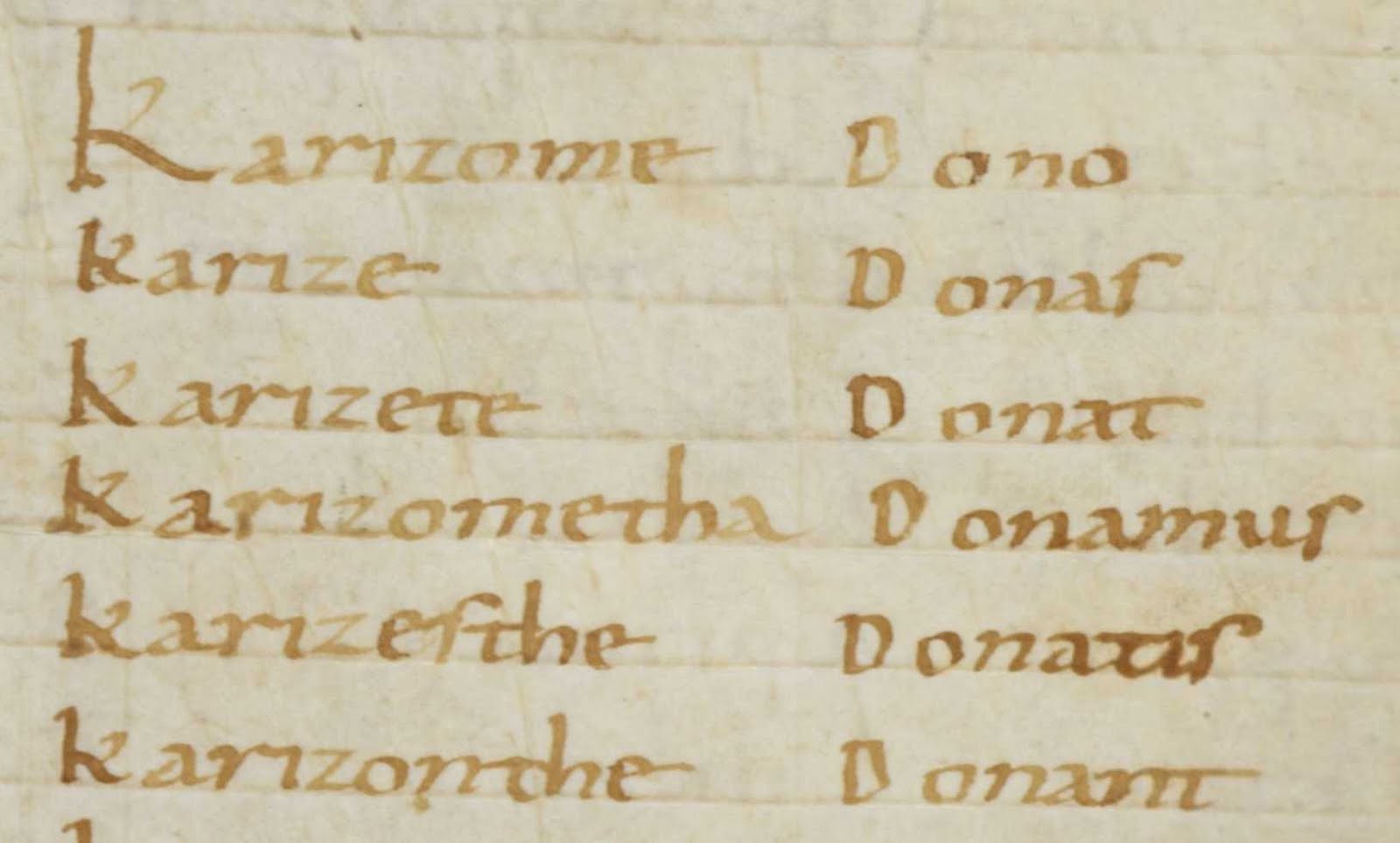
“Versions” are simply the translations of the New Testament into other languages. "" संस्करण बस अन्य भाषाओं में नई टैस्टमैंट के अनुवाद. The New Testament writers originally wrote their books and epistles in the Greek language whereas the versions are translations of their writings into other languages. नई टैस्टमैंट लेखकों मूल ग्रीक भाषा में अपनी किताबें और epistles लिखा जबकि संस्करणों उनके लेखन के अन्य भाषाओं में अनुवाद कर रहे हैं. Naturally, non-Greek speaking Christians wanted the text of the New Testament in their own local languages and so the New Testament began to be translated into other languages sometime in the mid to late second century. स्वाभाविक रूप से, गैर ग्रीक बोलने ईसाइयों नई अपनी स्थानीय भाषाओं में टैस्टमैंट का पाठ करना चाहता था और इसलिए नई टैस्टमैंट के लिए अन्य भाषाओं में अनुवाद हो कुछ देर के मध्य में देर दूसरी शताब्दी में शुरू हुआ. An important point to remember is that no matter how many thousands of translations exist, it remains that they are in a different language from the original language (Greek) of the New Testament, thus their use and value will be limited. याद करने के लिए एक महत्वपूर्ण मुद्दा यह है कि कोई बात नहीं कैसे अनुवाद के कई हजारों मौजूद हैं, यह रहता है कि वे मूल भाषा (यूनानी) नई टैस्टमैंट की ओर से एक अलग भाषा में हैं, इस प्रकार उनके उपयोग और मूल्य सीमित किया जाएगा.
The authors of the New Testament have often quoted passages from the Old Testament, claiming such statements to be prophecies fulfilled in the person of Jesus Christ. से नई टैस्टमैंट अक्सर उद्धृत किया है passages के लेखकों ओल्ड टैस्टमैंट, दावा इस तरह के बयानों यीशु मसीह के व्यक्ति में पूरा भविष्यवाणी करने के लिए. The number of such quoted passages is actually very high. ऐसे उद्धृत passages की संख्या वास्तव में बहुत अधिक है. Among the evangelists, Matthew is the one having made this phenomenon characteristic to his Gospel. evangelists के अलावा, मैथ्यू उसके सुसमाचार के लिए इस घटना की विशेषता रही है. The prophecy carries a very important place in the Christian theology. भविष्यवाणी ईसाई धर्मशास्त्र में एक बहुत ही महत्वपूर्ण स्थान वहन करती है. Every Christian knows about the prophecies of the books of Psalms, Isaiah, and Daniel related to the childhood, life, mission, and death of Jesus. हर ईसाई Psalms, यशायाह, और डैनियल की किताबें बचपन, जीवन, मिशन से संबंधित भविष्यवाणी के बारे में जानता है, और यीशु की मौत. To every Christian, these prophecies are the clear evidence of the truth of Gospels and mission of Jesus in general. हर ईसाई के लिए, इन भविष्यवाणियों Gospels और यीशु के सामान्य में मिशन की सच्चाई का स्पष्ट सबूत हैं. The problem is that according to the Bible, there exists true prophecies as well as false ones. समस्या यह है कि बाइबल के अनुसार, वहाँ सही भविष्यवाणी मौजूद है और साथ ही झूठे हैं. Hence the question arises on the necessary criteria to distinguish a false prophecy from a true one. इसलिए सवाल उठता आवश्यक मानदंडों पर एक सच एक से एक झूठी भविष्यवाणी भेद.