Occasionally, we come across Christians face-to-face and, more frequently, on the Internet, who, when informed that the text of the gospels underwent corruption during their transmission, often react with the following type of questions: “When? Reizēm mēs sastapties ar kristiešiem, aci pret aci un arī biežāk, uz internetu, kas, informēja, ka par evaņģēlijiem teksts notikusi korupcija laikā to nosūtīšanai, bieži vien reaģē ar šāda veida jautājumi: "Kad? Who did the corruption? Kas darīja korupciju? In what country? Kādā valstī? Before or after Muhammad? Pirms vai pēc Muhammad? Why was it done? Kāpēc tas tika darīts? How come no one noticed it?” These type of seemingly “innocent” questions merely reveal the incalculably colossal ignorance of the person in question. Kāpēc neviens pamanījuši to? "Šāda veida šķietami" nevainīgu "Jautājumi vienīgi atklāt incalculably milzīgs nezināšana personai. Christians who pose such questions do not seem to realize how utterly foolish they come across to anyone who are familiar with at least the very basics of textual criticism. Kristiešiem, kuri uzdot šādus jautājumus nešķiet saprast, kā pilnīgi muļķīgi tie ir pāri, lai ikvienam, kas ir pazīstami ar vismaz ļoti pamati teksta kritiku. Thus, the poor questioner only succeeds in on humiliating no one else but himself. Tādējādi nabadzīgajiem jautātājs tikai sasniegs par pazemojošu neviens cits kā pats. Christian apologists and missionaries need to stop posing such outdated, absurd questions since it reflects quite badly upon their intelligence and gives others a very bad impression of them. Christian apologists un misionāriem ir nepieciešams apstāties, kas rada šādu novecojušu, absurdi jautājumi jo tā atspoguļo diezgan slikti pēc to izlūkošanas un dod citiem ļoti sliktu iespaidu par tām.
Archive for the 'Bible' Category Arhīvs par 'Bībele' Kategorija
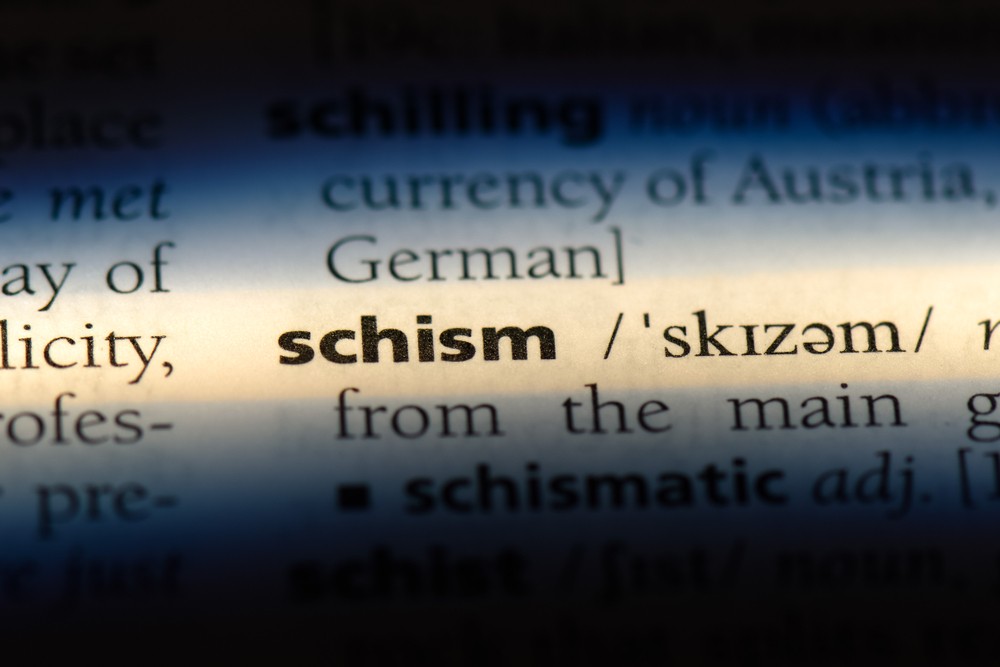
This short movie was made in less than twenty four hours in response to Geert Wilders's anti-Islam polemical movie, entitled “Fitna”. Šis īsais filma tika veikts mazāk par divdesmit četrām stundām, atbildot uz Geert Wilders's anti-Islam polemisks filmu ar nosaukumu "Fitna". The six-minute video called “Schism” by 33-year-old Saudi blogger Raid Al-Saeed takes violent Biblical texts and intersperses them with fiery rants by a Christian fundamentalist youth leader in Texas. Sešu minūšu video ar nosaukumu "shizma" ar 33 gadus veco Saūda blogger Raid Al-Saeed notiek vardarbīgi Bībeles tekstiem un intersperses viņiem ugunīgs rants ar kristiešu fundamentālistu jaunatnes līderi Texas. Kudos goes to the Muslim brother who directed the video. Kudos iet uz musulmaņu brālis, kas vērsti video. This is the kind of “response” that is needed from Muslims, an intellectual response and not one which is based on emotion. Tas ir sava veida "atbildi", kas ir nepieciešama no musulmaņiem, intelektuālo atbildes un nevis tādu, kas ir balstīts uz emocijām.
Many Christians like the whale Sam Shamoun, Craig Winn and others simply love going around bad-mouthing the Qur'an, saying that it contains “perverted, nonsensical teachings”. Daudzi kristieši kā valis Sam Shamoun, Craig Winn un citi vienkārši mīlestība iet apkārt sliktu mutē atrašanās Qur'an, sakot, ka tas satur "perverss, muļķīgi mācības". Let us have have a glimpse of their “sensical” Bible. Ļaujiet mums ir ieskatu par to "sensical" Bībeli.
Before I proceed further I would like to state for the record that Muslims are utterly shocked and offended that the Bible portrays great messengers of God as low-live drunkards. Pirms doties tālāk es gribētu norādīt uz ierakstu, kas musulmaņiem ir pilnīgi šokēti un aizvaino, ka Bībelē attēlots liels kurjeri Dieva kā zema-live drunkards. Coming back to the story, notice how the story says Ham, THE FATHER of Canaan. Atgriežoties stāsts, paziņojums, kā stāsts saka Ham, tēva Kānaāna. This is rather interesting. Tas ir diezgan interesants. Seems like its trying to prove or lead to something. Šķiet tā mēģina pierādīt, vai radīt kaut ko.
It is well-known that the “Christianity” of today has dubious origins, which ironically does not come from Jesus, peace be upon him (although the whole structure is attributed to him), but from Ir labi zināms, ka "kristietība", šodien ir apšaubāmas izcelsmes, kas ironiski nenāk no Jēzus, miera be upon him (lai gan visa struktūra ir saistāma ar viņu), bet gan no Paul of Tarsus Paul no plezna , who can be rightly referred to as “that Satanic apostle” . , Kas var būt pamatoti sauc par ", kas sātanisks apustulis". For it was Paul who laid down the religious foundations of today's Christianity, doctrines based on the idolatry and philosophical thought of the Greco-Roman empire at the time. Tā bija Pols, kas noteiktas reliģijas pamatus šodienas Kristietības doktrīnu balstoties uz elku pielūgšana un filozofiskās domas Grieķu-romiešu impērijas laikā.
Was Sarah really Abraham's sister? Ibn Hazm questions the status of Sarah as being Abraham's sister, as accepting that viz. , from the Biblical perspective would result in various disagreements with other passages in the Old Testament concerning moral and theological issues. Was Sarah tiešām Abraham māsas? Ibn Hazm jautājumi Sarah statusu, kā Abraham māsas, jo pieņemot, ka viz., No Bībeles viedokļa radīs dažādas domstarpības ar citām daļām, kas Vecajā Derībā par morālo un teoloģijas jautājumiem. This is in reference to the stories of Sarah's seizure by Pharaoh and Abime'elech which was narrated in Genesis 12:10-18 and Genesis 20, Genesis 17:17 and Genesis 20:1-18. Tas ir atsauce uz Sāras sagrāba faraona un Abime'elech stāsti kas stāsta in 12:10-18 Genesis un Genesis 20, Genesis 17:17 un Mozus 20:1-18. We cite the related passages on the story of the seizure of Sarah as follows. Mēs citēt saistītās daļas par stāstu sagrābšanu Sarah šādi.
Does God change or does not change His mind? According to Ibn Hazm, Exodus 32:10-14 and 33:3-14 ascribes al-bada' (changing of mind) to God and hence this presents a problem to the nature of God and His characters with regard to His All-Knowing attribute. Vai Dievs maina vai nemaina viņa prātā? Saskaņā ar Ibn Hazm, Exodus 32:10-14 un 33:3-14 saista al-Bada "(maiņu prātu) ir Dievs un tātad problēma iesniedz Dieva dabu un Viņa rakstzīmes attiecībā uz saviem All-Knowing atribūtu. When one compares the above passages side by side, the internal contradictions between especially Exodus 32:10, 32:14 and 33:2-3 on the one hand and Exodus 33:14 on the other, clearly raises many problems of theological and moral concern from the Biblical context. Ja salīdzina iepriekš daļas blakus, iekšējas pretrunas starp sevišķi Exodus 32:10, 32:14 un 33:2-3 no vienas puses, un Exodus 33:14 no otras puses, acīmredzami rada daudzas problēmas teoloģijas un morāles bažas no Bībeles kontekstā. In this case that was quoted above, in spite of God's determination to punish the Israelites for their idolatrous conduct, He did not execute punishment due to the intercession of Moses who had “reminded” God of His promise made with Abraham and the patriachs for their descendents. Šajā lietā, kas tika minēts iepriekš, par spīti Dieva apņēmību sodīt Israēla to dievinošs rīcību, viņš nevar izpildīt sodu, jo aizrunāšana Mozus, kas ir "atgādināja" Dievs un Viņa solījumu ar Ābrahāmu, un par patriachs viņu pēcnācējiem. This Biblical passage seems to implicitly suggest that this “reminder” had made God realise his “wrong” decision and have Him repenting for it. Šajā Bībeles fragmentu, šķiet, netieši norāda, ka šī "atgādinājumu" veica Dievs realizēt viņa "nepareizi" lēmumu, tad viņam repenting par to. Such an obvious “error” or even to imply such a thing is hardly befitting any person of integrity, let alone God, the Almighty. Šāda acīmredzama "kļūdu" vai pat, lai nozīmētu tādas lietas ir grūti befitting jebkuras personas integritāti, nemaz nerunājot Dievs, Visvarenais.
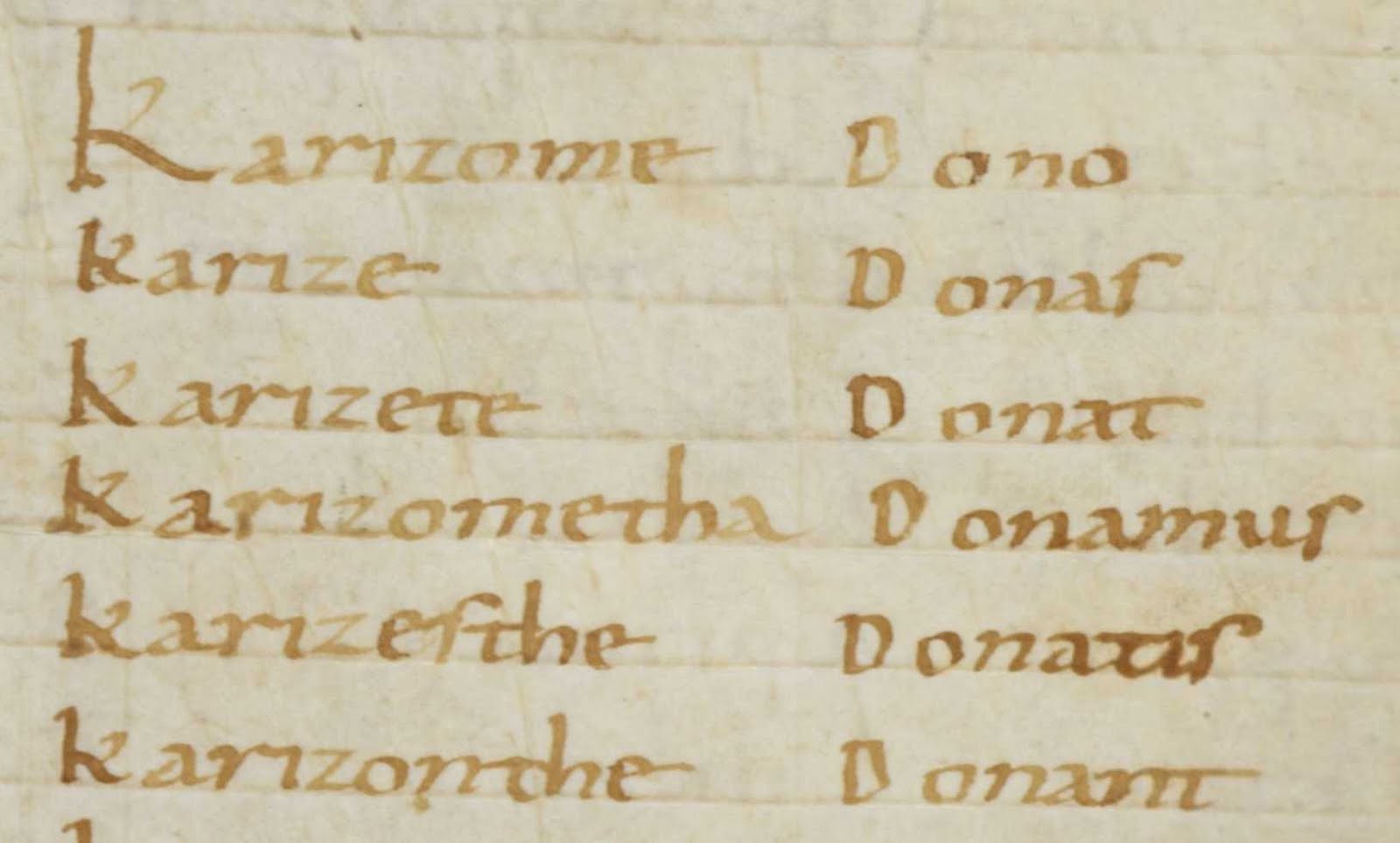
“Versions” are simply the translations of the New Testament into other languages. "Versijas" ir vienkārši par Jaunās Derības tulkojumu citās valodās. The New Testament writers originally wrote their books and epistles in the Greek language whereas the versions are translations of their writings into other languages. Jaunās Derības autori sākotnēji rakstīja to grāmatu un epistles in grieķu valodas tā versijas tulkojumu viņu rakstiem citās valodās. Naturally, non-Greek speaking Christians wanted the text of the New Testament in their own local languages and so the New Testament began to be translated into other languages sometime in the mid to late second century. Protams, nav grieķu valodas kristieši vēlējās tekstu Jaunās Derības savās vietējās valodās un tā Jaunās Derības sāka pārtulkot citās valodās dažkārt ir vidus līdz beigām otrajā gadsimtā. An important point to remember is that no matter how many thousands of translations exist, it remains that they are in a different language from the original language (Greek) of the New Testament, thus their use and value will be limited. Svarīgs aspekts ir atcerēties, ka neatkarīgi no tā, cik daudz tūkstošu tulkojumu pastāv, to, ka tās ir citu valodu oriģinālvalodā (grieķu) un Jaunās Derības, tādēļ to izmantošana un vērtība tiks ierobežota.
The authors of the New Testament have often quoted passages from the Old Testament, claiming such statements to be prophecies fulfilled in the person of Jesus Christ. Par Jaunās Derības autori bieži citēto fragmentus no Vecās Derības, apgalvojot, ka šādi paziņojumi ir pravietojumi izpildīti persona Jēzus Kristus. The number of such quoted passages is actually very high. Šādu kotēto daļas numurs ir tiešām ļoti liels. Among the evangelists, Matthew is the one having made this phenomenon characteristic to his Gospel. Starp evaņģēlistiem, Matthew ir viens, kas iesniegusi šo fenomenu raksturīga viņa Evaņģēliju. The prophecy carries a very important place in the Christian theology. Prophecy veic ļoti svarīgu vietu kristiešu teoloģijā. Every Christian knows about the prophecies of the books of Psalms, Isaiah, and Daniel related to the childhood, life, mission, and death of Jesus. Katru Christian zina par par par Psalmi, Jesajas un Daniel grāmatas, kas saistītas ar bērnību, dzīvi, misija pareģojumiem, un Jēzus nāvi. To every Christian, these prophecies are the clear evidence of the truth of Gospels and mission of Jesus in general. Katram Christian šie pravietojumi ir skaidri pierādījumi par patiesību evaņģēlijiem un komandējuma Jēzus vispār. The problem is that according to the Bible, there exists true prophecies as well as false ones. Problēma ir tā, ka saskaņā ar Bībeli, pastāv patiess pareģojumiem, kā arī nepatiesu ones. Hence the question arises on the necessary criteria to distinguish a false prophecy from a true one. Līdz ar to rodas jautājums par vajadzīgajiem kritērijiem, lai atšķirtu viltus pravietojums no patiesa vienu.