Occasionally, we come across Christians face-to-face and, more frequently, on the Internet, who, when informed that the text of the gospels underwent corruption during their transmission, often react with the following type of questions: “When? Às vezes, deparamo-nos cristãos face a face e, mais freqüentemente, na internet, que, quando informado que o texto dos evangelhos foram submetidos a corrupção durante o seu transporte, muitas vezes reagem com os seguintes tipos de perguntas: "Quando? Who did the corruption? Quem fez a corrupção? In what country? Em que país? Before or after Muhammad? Antes ou depois de Maomé? Why was it done? Por que foi feito? How come no one noticed it?” These type of seemingly “innocent” questions merely reveal the incalculably colossal ignorance of the person in question. Como é que ninguém percebeu isso? "Esses tipos de aparentemente" inocente "questões meramente revelam a ignorância incalculavelmente colossal da pessoa em questão. Christians who pose such questions do not seem to realize how utterly foolish they come across to anyone who are familiar with at least the very basics of textual criticism. Os cristãos que colocam essas questões parecem não perceber quão tola vêm através de qualquer um que esteja familiarizado com pelo menos o básico da crítica textual. Thus, the poor questioner only succeeds in on humiliating no one else but himself. Assim, a pergunta pobre só consegue em uma coisa humilhante, mas não a si mesmo. Christian apologists and missionaries need to stop posing such outdated, absurd questions since it reflects quite badly upon their intelligence and gives others a very bad impression of them. Apologistas cristãos e missionários precisa parar de posar como desatualizado, perguntas absurdas uma vez que reflecte muito mal em cima de sua inteligência e dá aos outros uma impressão muito ruim deles.
Archive for the 'Bible' Category Arquivo para a 'Bíblia' Category
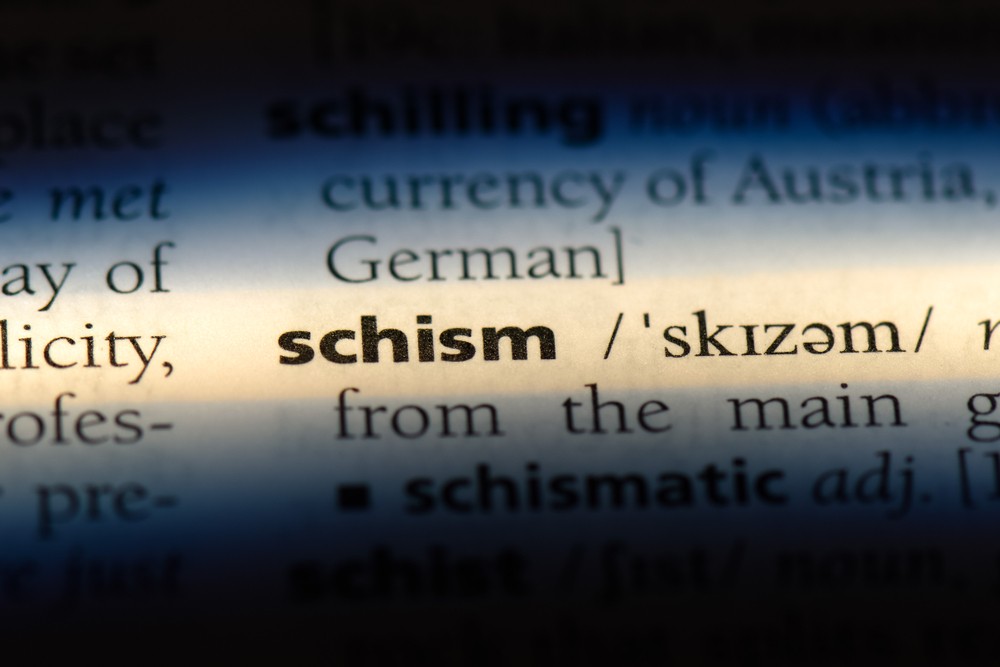
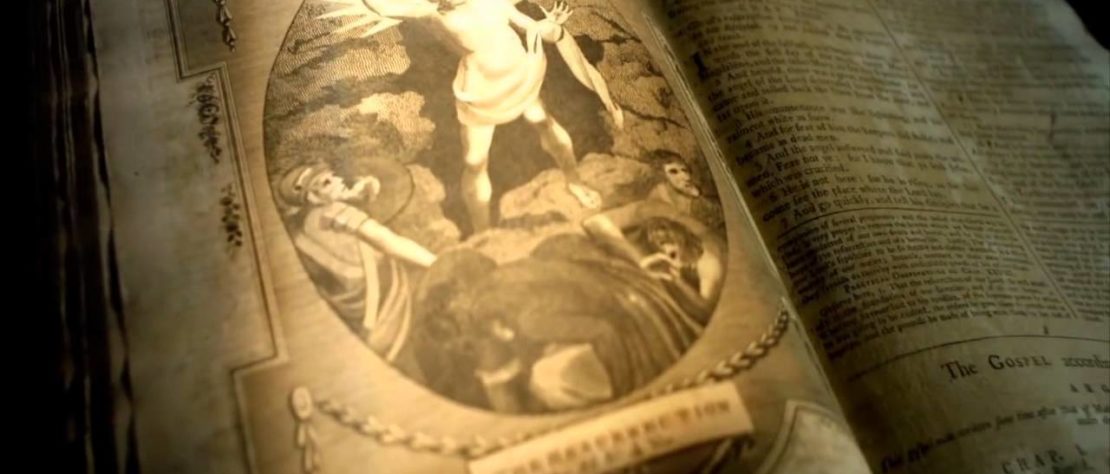
This short movie was made in less than twenty four hours in response to Geert Wilders's anti-Islam polemical movie, entitled “Fitna”. Este pequeno filme foi feito em menos de vinte e quatro horas, em resposta aos anti Geert Wilders de-Islam filme polêmico, intitulado "Fitna". The six-minute video called “Schism” by 33-year-old Saudi blogger Raid Al-Saeed takes violent Biblical texts and intersperses them with fiery rants by a Christian fundamentalist youth leader in Texas. O vídeo de seis minutos chamado "Schism" by 33-year-old Saudi blogger Raid Al-Saeed leva violento textos bíblicos e intercala-los com rants ardente por um líder da juventude cristã fundamentalista no Texas. Kudos goes to the Muslim brother who directed the video. Kudos vai para o irmão muçulmano que dirigiu o vídeo. This is the kind of “response” that is needed from Muslims, an intellectual response and not one which is based on emotion. Este é o tipo de "resposta" que é necessário dos muçulmanos, uma resposta intelectual e não um que é baseado na emoção.
Many Christians like the whale Sam Shamoun, Craig Winn and others simply love going around bad-mouthing the Qur'an, saying that it contains “perverted, nonsensical teachings”. Muitos cristãos como a baleia Sam Shamoun, Craig Winn e outros simplesmente amor por aí falando mal do Alcorão, dizendo que ele contém "pervertidos, os ensinamentos absurda". Let us have have a glimpse of their “sensical” Bible. Vamos ter ter um vislumbre do seu "senso" da Bíblia.
Before I proceed further I would like to state for the record that Muslims are utterly shocked and offended that the Bible portrays great messengers of God as low-live drunkards. Antes de prosseguir eu gostaria de indicar para o registro de que os muçulmanos são absolutamente chocado e ofendido que a Bíblia retrata grandes mensageiros de Deus, como baixa bêbados ao vivo. Coming back to the story, notice how the story says Ham, THE FATHER of Canaan. Voltando à história, observe como a história diz Ham, o pai de Canaã. This is rather interesting. Isto é bastante interessante. Seems like its trying to prove or lead to something. Parece que a sua tentativa de provar ou levar a alguma coisa.
It is well-known that the “Christianity” of today has dubious origins, which ironically does not come from Jesus, peace be upon him (although the whole structure is attributed to him), but from É bem sabido que o "cristianismo" de hoje tem origem duvidosa, que, ironicamente, não vem de Jesus, a paz esteja com ele (apesar de toda a estrutura é atribuída a ele), mas a partir de Paul of Tarsus Paulo de Tarso , who can be rightly referred to as “that Satanic apostle” . , Que podem ser justamente referido como "o apóstolo Satânicos". For it was Paul who laid down the religious foundations of today's Christianity, doctrines based on the idolatry and philosophical thought of the Greco-Roman empire at the time. Para ele era Paulo, que estabeleceu os fundamentos religiosos do cristianismo de hoje, as doutrinas baseadas na idolatria e do pensamento filosófico do império greco-romano da época.
Was Sarah really Abraham's sister? Ibn Hazm questions the status of Sarah as being Abraham's sister, as accepting that viz. , from the Biblical perspective would result in various disagreements with other passages in the Old Testament concerning moral and theological issues. Sarah realmente era irmã de Abraão? Perguntas Ibn Hazm o status de Sarah como irmã de Abraão, como aceitar que viz., A partir da perspectiva bíblica resultaria em várias divergências com outras passagens do Antigo Testamento sobre questões morais e teológicas. This is in reference to the stories of Sarah's seizure by Pharaoh and Abime'elech which was narrated in Genesis 12:10-18 and Genesis 20, Genesis 17:17 and Genesis 20:1-18. Isto é, em referência às histórias de apreensão de Sarah pelo Faraó e Abime'elech que foi narrado em Gênesis 12:10-18 e Gênesis 20, Gênesis 17:17 e Gênesis 20:1-18. We cite the related passages on the story of the seizure of Sarah as follows. Citamos as passagens relacionadas com a história da apreensão de Sarah como se segue.
Does God change or does not change His mind? According to Ibn Hazm, Exodus 32:10-14 and 33:3-14 ascribes al-bada' (changing of mind) to God and hence this presents a problem to the nature of God and His characters with regard to His All-Knowing attribute. Deus não muda ou não muda sua mente? Segundo Ibn Hazm, Êxodo 32:10-14 e 33:3-14 atribui al-bada "(mudança de mente) a Deus e, portanto, isso representa um problema para a natureza de Deus e seus personagens no que diz respeito à Sua Sapiente atributo. When one compares the above passages side by side, the internal contradictions between especially Exodus 32:10, 32:14 and 33:2-3 on the one hand and Exodus 33:14 on the other, clearly raises many problems of theological and moral concern from the Biblical context. Quando se comparam as passagens acima lado a lado, as contradições internas entre especialmente Êxodo 32:10, 32:14 e 33:2-3, por um lado e Êxodo 33:14, por outro, levanta muitos problemas teológicos e morais preocupação a partir do contexto bíblico. In this case that was quoted above, in spite of God's determination to punish the Israelites for their idolatrous conduct, He did not execute punishment due to the intercession of Moses who had “reminded” God of His promise made with Abraham and the patriachs for their descendents. Neste caso, que foi citado acima, apesar da determinação de Deus para punir os israelitas por sua conduta idolátrica, Ele não executar o castigo devido à intercessão de Moisés, que tinha "lembrado" Deus da promessa feita a Abraão e à Patriachs para a sua descendentes. This Biblical passage seems to implicitly suggest that this “reminder” had made God realise his “wrong” decision and have Him repenting for it. Esta passagem bíblica parece implicitamente sugerem que este "lembrete" Deus fez perceber a sua "decisão errada" e que ele se arrepender por isso. Such an obvious “error” or even to imply such a thing is hardly befitting any person of integrity, let alone God, the Almighty. Tais um erro "óbvio" ou até mesmo dar a entender uma coisa dessas é pouco condizente com qualquer pessoa de integridade, deixou sozinho Deus, o Todo-Poderoso.
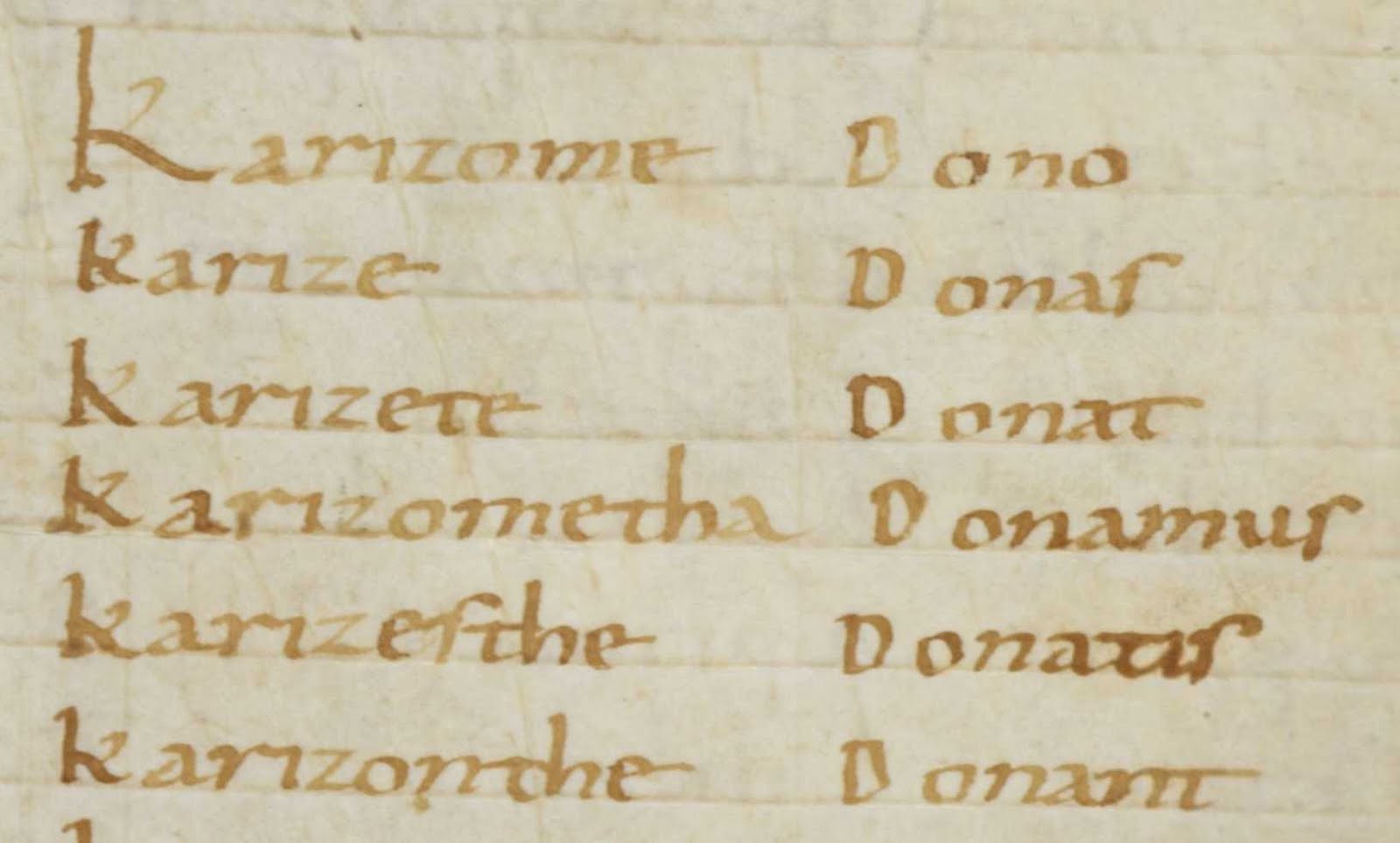
“Versions” are simply the translations of the New Testament into other languages. "Versions" são simplesmente a tradução do Novo Testamento em outras línguas. The New Testament writers originally wrote their books and epistles in the Greek language whereas the versions are translations of their writings into other languages. Os escritores do Novo Testamento originalmente escreveram seus livros e epístolas em grego enquanto que as versões são traduções de seus escritos em outros idiomas. Naturally, non-Greek speaking Christians wanted the text of the New Testament in their own local languages and so the New Testament began to be translated into other languages sometime in the mid to late second century. Naturalmente, não-cristãos de língua grega queria que o texto do Novo Testamento em suas línguas locais e assim que o Novo Testamento começou a ser traduzido para outros idiomas em algum momento de meados do século segundo atrasado. An important point to remember is that no matter how many thousands of translations exist, it remains that they are in a different language from the original language (Greek) of the New Testament, thus their use and value will be limited. Um ponto importante a lembrar é que não importa quantos milhares de traduções de existir, não será que eles estão em uma língua diferente da língua original (grego) do Novo Testamento, portanto, o seu uso eo valor será limitado.
The authors of the New Testament have often quoted passages from the Old Testament, claiming such statements to be prophecies fulfilled in the person of Jesus Christ. Os autores do Novo Testamento freqüentemente citada passagens do Antigo Testamento, alegando que tais declarações a serem profecias cumpridas na pessoa de Jesus Cristo. The number of such quoted passages is actually very high. O número de tais passagens citadas é realmente muito alta. Among the evangelists, Matthew is the one having made this phenomenon characteristic to his Gospel. Dentre os evangelistas, Mateus é o de ter feito um fenômeno característico do seu Evangelho. The prophecy carries a very important place in the Christian theology. A profecia traz um lugar muito importante na teologia cristã. Every Christian knows about the prophecies of the books of Psalms, Isaiah, and Daniel related to the childhood, life, mission, and death of Jesus. Todo cristão sabe sobre as profecias do livro de Salmos, Isaías e Daniel relacionados à infância, a vida, missão e morte de Jesus. To every Christian, these prophecies are the clear evidence of the truth of Gospels and mission of Jesus in general. Para todo o cristão, estas profecias são a clara evidência da verdade do Evangelho ea missão de Jesus em geral. The problem is that according to the Bible, there exists true prophecies as well as false ones. O problema é que segundo a Bíblia, existe profecias verdadeiras, bem como falsos. Hence the question arises on the necessary criteria to distinguish a false prophecy from a true one. Daí surge a questão sobre os critérios necessários para distinguir uma falsa profecia de um único e verdadeiro.