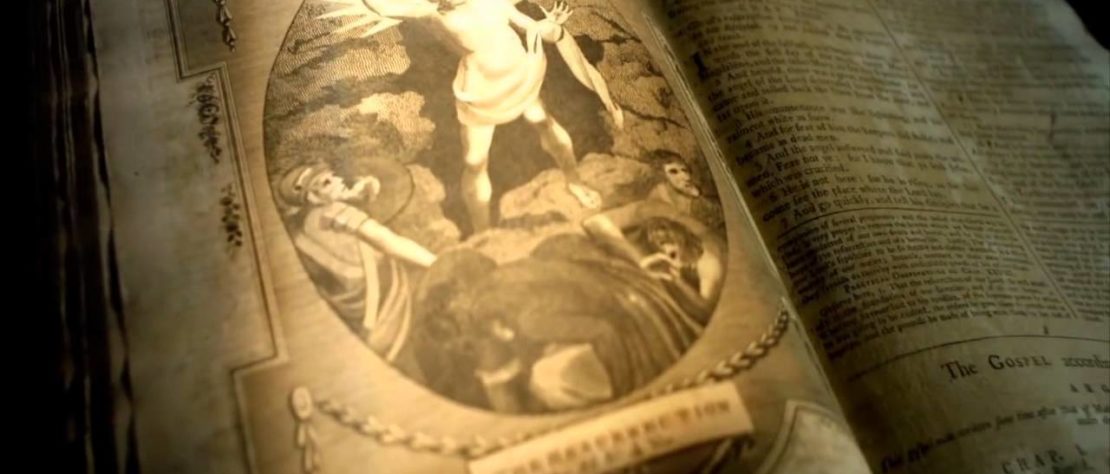
Occasionally, we come across Christians face-to-face and, more frequently, on the Internet, who, when informed that the text of the gospels underwent corruption during their transmission, often react with the following type of questions: “When? Občas sa stretávame kresťania face-to-tvár a častejšie na internete, ktorý, keď informoval, že text evanjelií prešiel korupcie počas ich prenosu, často reagujú s týmto typom otázok: "Kedy? Who did the corruption? Kto to korupcia? In what country? V akej krajine? Before or after Muhammad? Pred alebo po Mohameda? Why was it done? Prečo sa to stalo? How come no one noticed it?” These type of seemingly “innocent” questions merely reveal the incalculably colossal ignorance of the person in question. Ako to, že nikto nevšimol? "Tieto typy zdanlivo" nevinné "otázky len odhaľujú nevyčísliteľne kolosálny neznalosť danej osobe. Christians who pose such questions do not seem to realize how utterly foolish they come across to anyone who are familiar with at least the very basics of textual criticism. Kresťania, ktorí predstavujú tieto otázky nezdá sa, že si uvedomuje, ako úplne hlúpo, že narazia na niekoho, kto pozná aspoň veľmi základy textovej kritiky. Thus, the poor questioner only succeeds in on humiliating no one else but himself. Preto chudobní anketár len podarí na ponižujúce nikto iný ako on sám. Christian apologists and missionaries need to stop posing such outdated, absurd questions since it reflects quite badly upon their intelligence and gives others a very bad impression of them. Obhajcovia a kresťanských misionárov potreba zastaviť predstavuje ako zastarané, absurdné otázky, pretože odráža docela zle na ich inteligenciu a poskytuje ďalšie veľmi zlý dojem z nich.
Archive for the 'Bible' Category Archív pre 'Category Biblie'
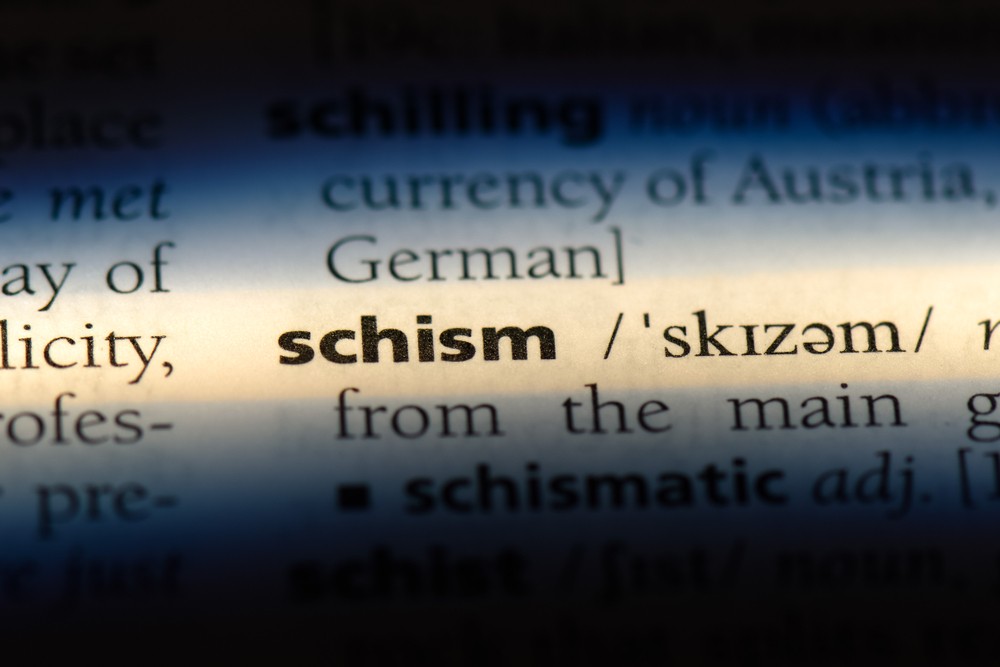
This short movie was made in less than twenty four hours in response to Geert Wilders's anti-Islam polemical movie, entitled “Fitna”. Tento krátky film bol za menej ako dvadsaťštyri hodín v reakcii na boje Geert Wilders je-Islam kontroverznú film s názvom "Fitna". The six-minute video called “Schism” by 33-year-old Saudi blogger Raid Al-Saeed takes violent Biblical texts and intersperses them with fiery rants by a Christian fundamentalist youth leader in Texas. Šesť-minútové video s názvom "rozkol" o 33-rok-starý Saudská blogger Raid Al-Saeed sa násilnej biblické texty a intersperses je s ohnivým rečnenie o fundamentalistickej kresťanskej mládeže vodcu v Texase. Kudos goes to the Muslim brother who directed the video. Kudos ide k bratovi moslim, ktorý režíroval video. This is the kind of “response” that is needed from Muslims, an intellectual response and not one which is based on emotion. Toto je druh "reakcie", ktoré sa od moslimov, intelektuálne odpoveď, a nie ten, ktorý je založený na emócie.
Many Christians like the whale Sam Shamoun, Craig Winn and others simply love going around bad-mouthing the Qur'an, saying that it contains “perverted, nonsensical teachings”. Mnoho kresťanov ako veľrybie Sam Shamoun, Craig Winn a iní jednoducho láska ideme okolo zlých plácání-Qur'an, hovorí, že obsahuje "zvrátené, nezmyselné učenia". Let us have have a glimpse of their “sensical” Bible. Majme sa zahliadnuť ich "sensical" Biblie.
Before I proceed further I would like to state for the record that Muslims are utterly shocked and offended that the Bible portrays great messengers of God as low-live drunkards. Ako budem pokračovať ďalej by som chcel uviesť na záznam, že moslimovia sú úplne šokovaný a urazený, že Biblia vykresľuje veľký poslov Božej ako low-live opilci. Coming back to the story, notice how the story says Ham, THE FATHER of Canaan. Vracia do príbehu, oznámenia, ako príbeh hovorí, šunka, otec Kenaanův. This is rather interesting. To je celkom zaujímavé. Seems like its trying to prove or lead to something. Vyzerá svojej snahe dokázať, alebo viesť k niečomu.
It is well-known that the “Christianity” of today has dubious origins, which ironically does not come from Jesus, peace be upon him (although the whole structure is attributed to him), but from -To je dobre známe, že "kresťanstvo" dnes má pochybnú pôvodu, ktorý ironicky nepochádza od Ježiša, mier s ním (aj keď celá štruktúra sa pripisuje jemu), ale od Paul of Tarsus Pavol z Tarzu , who can be rightly referred to as “that Satanic apostle” . , Ktorý môže byť správne len ", že apoštol satanské". For it was Paul who laid down the religious foundations of today's Christianity, doctrines based on the idolatry and philosophical thought of the Greco-Roman empire at the time. Za to bol Pavel, ktorý stanovuje náboženské základy dnešného kresťanstva, vzdelávania založené na modlárstvo a filozofické myslenie v grécko-rímskej ríše v tej dobe.
Was Sarah really Abraham's sister? Ibn Hazm questions the status of Sarah as being Abraham's sister, as accepting that viz. , from the Biblical perspective would result in various disagreements with other passages in the Old Testament concerning moral and theological issues. Sára bola naozaj sestra Abrahámovi? Ibn Hazmi otázky štatútu Sarah ako Abrahám sestra, ako pripustil, že pozri. By od biblického pohľadu viesť k rôznym nezhodám s ostatnými pasáže v Starom Zákone o morálnych a teologických otázkach. This is in reference to the stories of Sarah's seizure by Pharaoh and Abime'elech which was narrated in Genesis 12:10-18 and Genesis 20, Genesis 17:17 and Genesis 20:1-18. To je v odkaze na príbehy o zabavení Sarah faraónom a Abime'elech ktorá bola rozprávaný v Genesis 12:10-18 a Genesis 20 Genesis 17:17 a Genesis 20:1-18. We cite the related passages on the story of the seizure of Sarah as follows. Budeme citovať súvisiace pasáže o príbeh o zabavení Sarah takto.
Does God change or does not change His mind? According to Ibn Hazm, Exodus 32:10-14 and 33:3-14 ascribes al-bada' (changing of mind) to God and hence this presents a problem to the nature of God and His characters with regard to His All-Knowing attribute. Boh zmeniť alebo nezmení Jeho myseľ? Podľa Ibn Hazmi, Exodus 32:10-14 a 33:3-14 pripisuje al-Bada '(zmena mysle) k Bohu, a tým to predstavuje problém pre Božej prirodzenosti Jeho postavy a so zreteľom na jeho All-vedel atribút. When one compares the above passages side by side, the internal contradictions between especially Exodus 32:10, 32:14 and 33:2-3 on the one hand and Exodus 33:14 on the other, clearly raises many problems of theological and moral concern from the Biblical context. Keď porovnajú uvedené pasáže bok po boku, vnútorné rozpory medzi obzvlášť Exodus 32:10, 32:14 a 33:2-3 na jednej strane a Exodus 33:14 na druhej strane samozrejme spôsobuje veľa problémov teologického a morálneho obavy z biblického kontextu. In this case that was quoted above, in spite of God's determination to punish the Israelites for their idolatrous conduct, He did not execute punishment due to the intercession of Moses who had “reminded” God of His promise made with Abraham and the patriachs for their descendents. V tomto prípade bolo, že vyššie uvedené, napriek odhodlanie Boh potrestať Izraelitov za ich modlářský správanie Nemal vykonať trest kvôli príhovor Mojžiša, ktorý "pripomenul" Boh Jeho sľub urobil s Abrahámom, a na ich patriachs potomkov. This Biblical passage seems to implicitly suggest that this “reminder” had made God realise his “wrong” decision and have Him repenting for it. Táto biblická pasáž Zdá sa, že implicitne naznačuje, že táto "pripomenutie" urobil Boh realizovať jeho "zlého" rozhodnutie, ktoré mu pokánie za to. Such an obvious “error” or even to imply such a thing is hardly befitting any person of integrity, let alone God, the Almighty. Tak samozrejmá "chyba", alebo dokonca znamenať, taká vec sa ťažko hodiť osoba integrity, nieto Boh, Všemohúci.
“Versions” are simply the translations of the New Testament into other languages. "Versions" sú jednoducho preklad Nového zákona do iných jazykov. The New Testament writers originally wrote their books and epistles in the Greek language whereas the versions are translations of their writings into other languages. Nový zákon autori pôvodne písal svoje knihy a epištoly v gréckom jazyku, zatiaľ čo verzie sú preklady ich spisov do ďalších jazykov. Naturally, non-Greek speaking Christians wanted the text of the New Testament in their own local languages and so the New Testament began to be translated into other languages sometime in the mid to late second century. Prirodzene, non-kresťania rozprávanie chcel grécky text Nového zákona vo svojom miestnom jazyku a tak Nový zákon začal byť preložené do ďalších jazykov, niekedy v polovici až koncom druhého storočia. An important point to remember is that no matter how many thousands of translations exist, it remains that they are in a different language from the original language (Greek) of the New Testament, thus their use and value will be limited. Dôležitým bodom je si pamätať, že bez ohľadu na to, koľko tisíc prekladov existujú, zostáva, že sú v inom jazyku z pôvodného jazyka (gr.) z Nového zákona, teda ich použitie a hodnota bude obmedzený.
The authors of the New Testament have often quoted passages from the Old Testament, claiming such statements to be prophecies fulfilled in the person of Jesus Christ. Autori Nového zákona často citované pasáže zo Starého zákona a tvrdia, že takéto vyhlásenia proroctvá, ktoré majú byť splnené v osobe Ježiša Krista. The number of such quoted passages is actually very high. Počet takýchto citovanej pasáže je naozaj veľmi vysoká. Among the evangelists, Matthew is the one having made this phenomenon characteristic to his Gospel. Medzi evanjelistu Matúša je ten, ktorý urobil tento jav charakteristický pre jeho evanjelia. The prophecy carries a very important place in the Christian theology. Proroctvo prináša veľmi významné miesto v kresťanskej teológii. Every Christian knows about the prophecies of the books of Psalms, Isaiah, and Daniel related to the childhood, life, mission, and death of Jesus. Každý kresťan vie o proroctvo z knihy Žalmy, Izaiáš, a Daniel týkajúce sa detstvo, život, poslanie, a smrť Ježiša. To every Christian, these prophecies are the clear evidence of the truth of Gospels and mission of Jesus in general. Pre každého kresťana, tieto proroctvá sú jasné dôkazy o pravdivosti evanjelií a poslanie Ježiša všeobecne. The problem is that according to the Bible, there exists true prophecies as well as false ones. Problém je, že podľa Biblie, existuje pravda, proroctvá, rovnako ako falošné. Hence the question arises on the necessary criteria to distinguish a false prophecy from a true one. Preto je otázka, či potrebné kritériá pre odlíšenie od falošných proroctvá pravdivé.