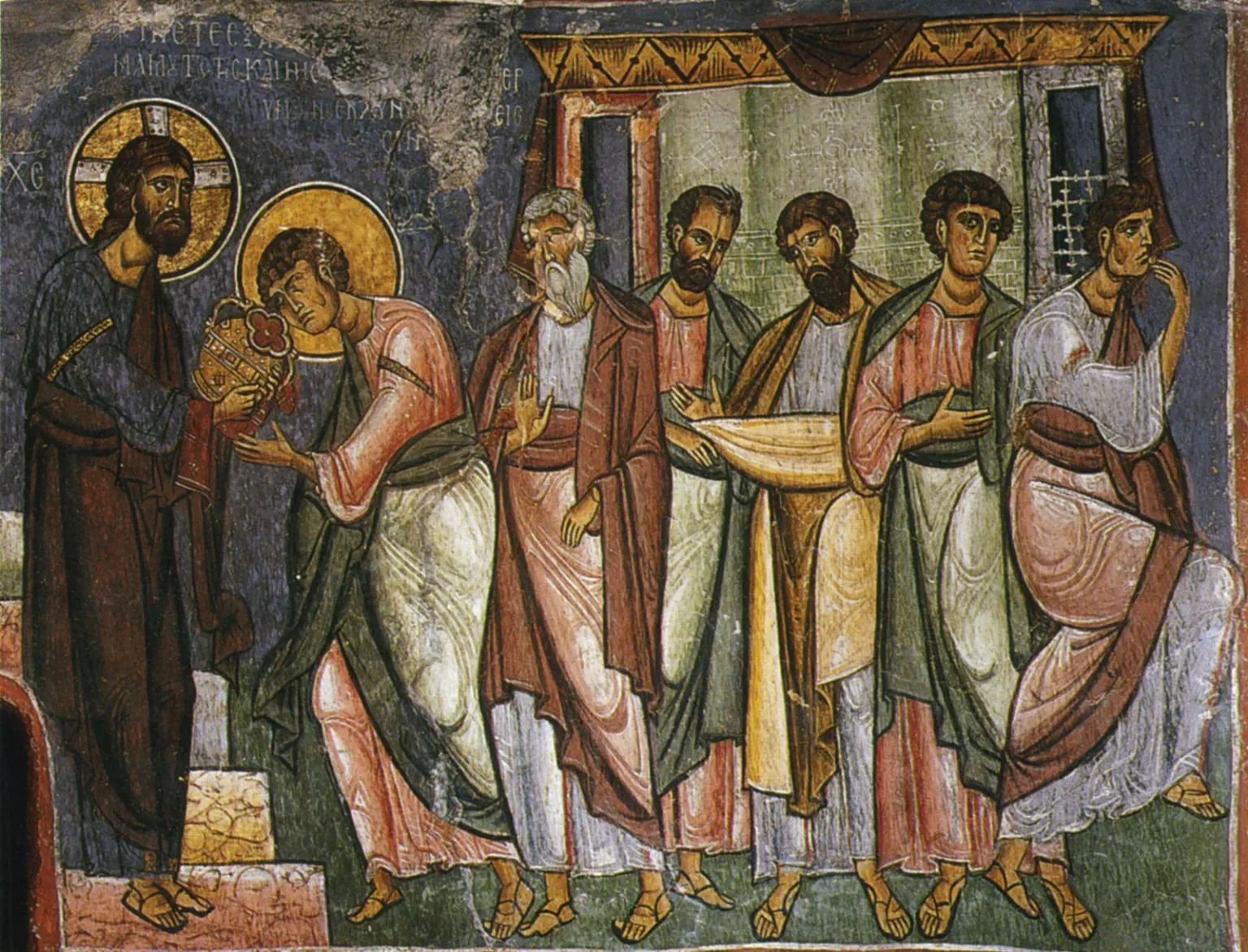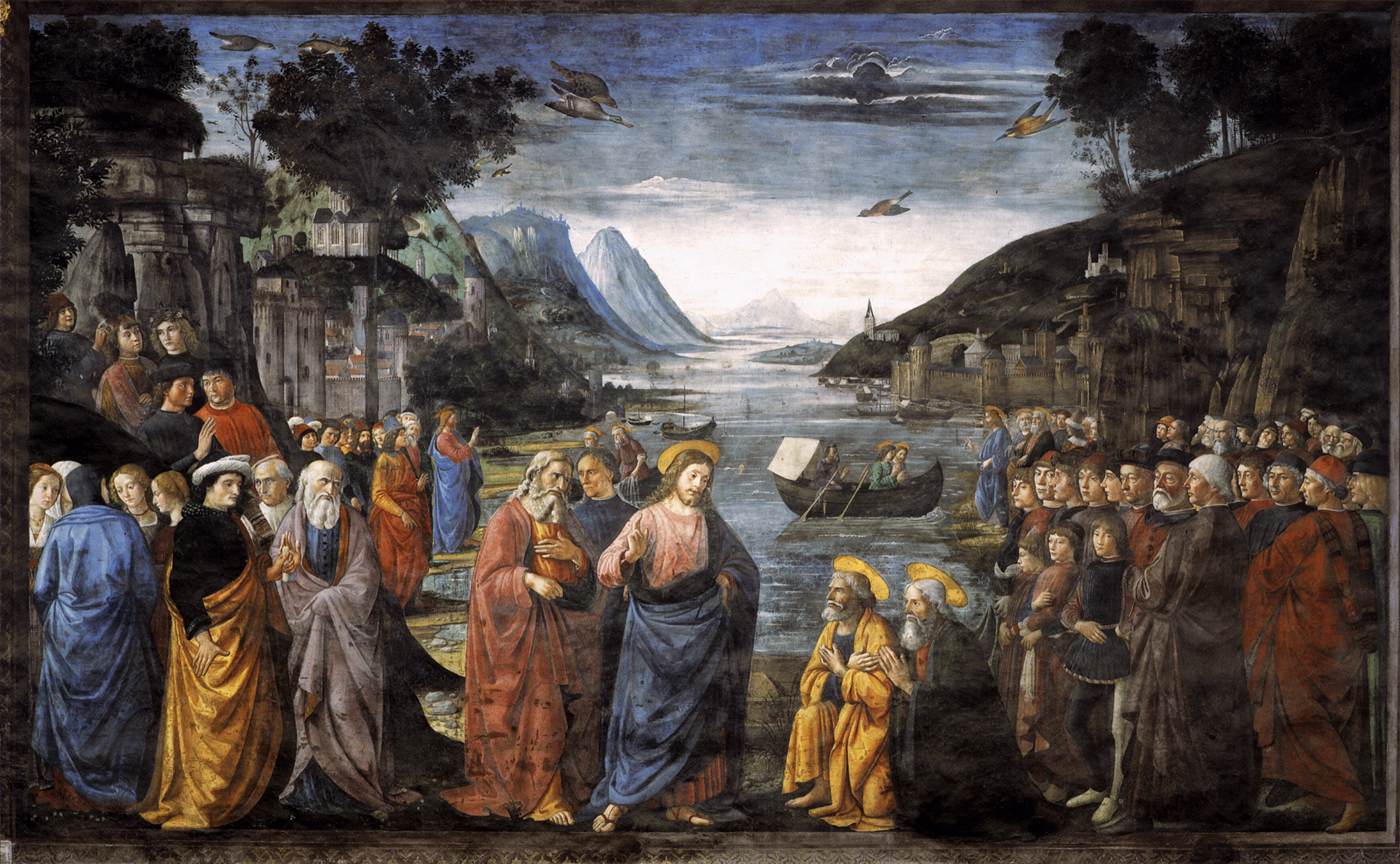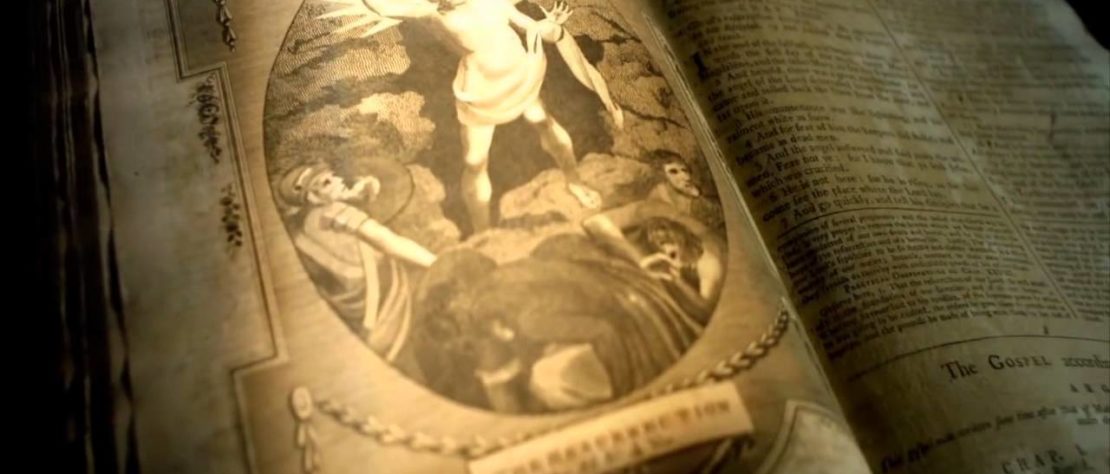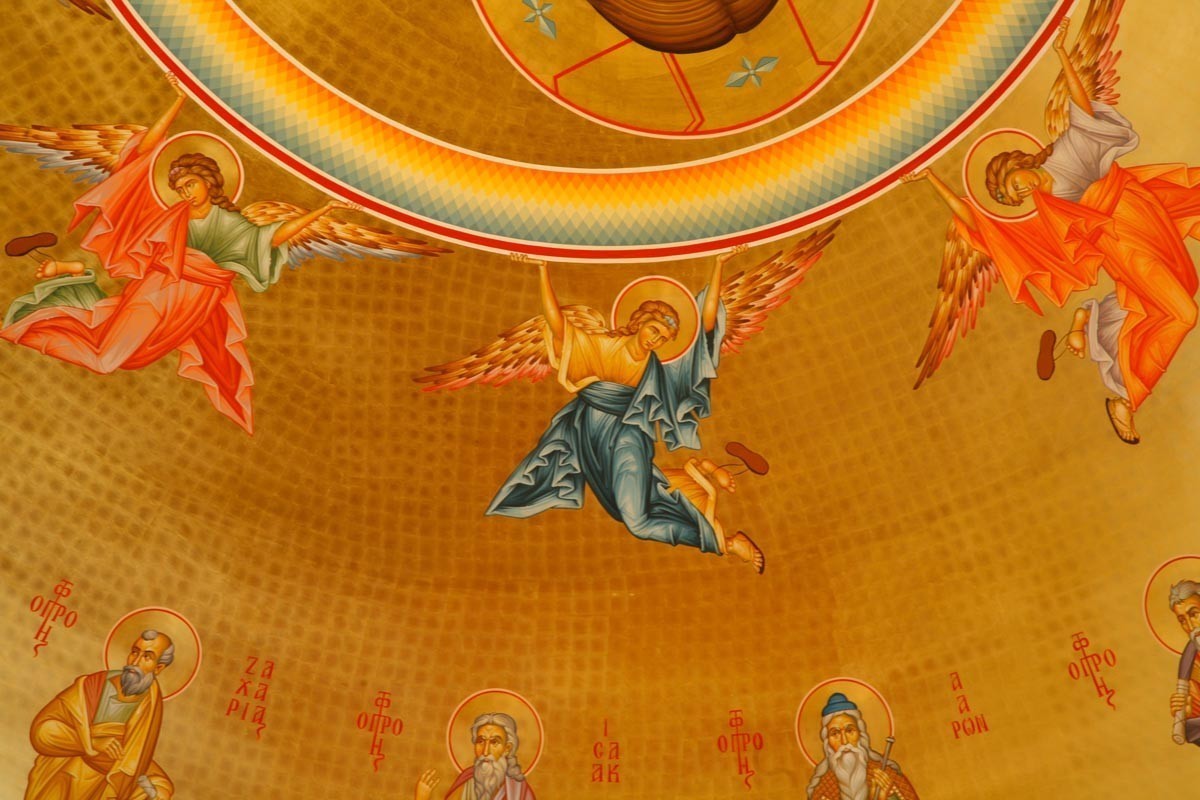
Christianity is based on the mystery religions of the ancient world. The doctrines of the “Trinity” and “incarnation” were borrowed from the pagans. In fact, the whole religion was fabricated after the departure of Jesus. The legendary stories of ‘man-god’ saviors dying for the sins of their people (and rising three days later) were commonly propagated. The Christianity that we know today simply plagiarized the stories and foisted them upon Jesus (P).
The Pagan Christ(ianity)
-
The Hijab and The Muslim Woman
-
The Islamic revival symbolized by the current resurgence of the hijab is often considered as an attempt of Arab Muslims to restore their pride and identity which have been repeatedly undermined by colonization and economic retardation. Man has always had a conservative tendency and reacts against which is new and unfamiliar without realizing whether it is good or bad for him. Some people still think the Muslim women insist on wearing hijab which is the “very symbol of the oppressed situation because they are enslaved by the tradition and are not sufficiently aware of their lamentable situation. “If only”, they probably think, “the movement of the women’s liberation and independence awakes those women’s mind, they will take away the hijab.”
Do Not Be Fooled By Propaganda
-
There is an ongoing slander campaign against Islam, claiming that it is a religion that promotes violence and hinting that it seeks world conquest. Before you buy the malarkey that is being produced by people with their own agendas or prejudices or who are just plain ignoramuses, follow these few suggestions.
In the well-known section of Annales 15.44, Tacitus refers unmistakably to “Christiani.” We shall presently take a fresh look at another passage thought to be at least partly Tacitean and which also mentions a sect called “Christiani.” In so doing, this will demonstrate how much historical data can be successfully concealed in one brief passage. As will be seen, when it comes to these “Christiani,” things are not at all as they have seemed. The second passage in question is commonly known as Tacitus’ fragment 2, much of which is generally considered to have once been part of the now lost portion of the fifth book of Tacitus’ Historiae. Fragment 2 was preserved by the Christian historian Sulpicius Severus in his Chronica 2.30.6-7 (ca. 400-403 CE).
The Lamb of The Christians
-
Praise be to Allah who granted us with the blessing of monotheism, I seek the refuge of Allah from disbelief and those people who associate themselves with disbelief. The author of the Book of Revelations had described/portrayed his god as a slain lamb with seven horns and seven eyes. Please notice the distinction in the last verse between God “which sitteth upon the throne” and the Lamb indicating that Christians have another god – a lamb – to worship in association with Allah, the True God Who is upon the throne.
Ibn al-Qayyim al-Jauziyyah was a prominent Muslim jurist during Islam’s Golden Age. Apart from his jurisdistic prowess, he was also competent in composing qasidah (Arabic poetry). Among his more famous works was the qasidah entitled A’obbad al-Maseeh Fi Naqd al-Nasraniyyah (O Christ-Worshippers! A Poem Refuting Christianity). This qasidah is well-known in the Muslim world and has even been turned into a song. The following is the English translation of the poetry which is immediately accompanied by the Arabic original.
Scholarly decency demands that the authors of the 1977 book Hagarism: The Making of the Islamic World officially repudiate a scandalous thesis, one in which they no longer believe and one that maligns the faith of more than a billion people.
The Christians are fond of celebrating the death of their man-god (whom they claim to be Jesus, peace be upon him) every year, although it does boggle the mind as to why would someone accept the fact that their god can actually “die”. However as Muslims, we believe that the claim concerning Jesus (P) is false and full of conjectures. A mighty Prophet of God (as we believe Jesus certainly is) would never had to bear the agony of being crucified at the hands of his enemies. As it stands, we would also like to note that to substantiate our claims, there are various contradictions regarding the accounts on Jesus’ trials, death and resurrection which appear throughout the New Testament.