Ali Sina's “Understanding Muhammad: A Psychobiography” Ali Sina je "Pochopenie Mohameda: Psychobiography"


28 May 2009 28.května 2009
Mohd Elfie Nieshaem Juferi Mohd Elfie Nieshaem Juferi

ali sina crap book Ali Sinas Understanding Muhammad: A Psychobiography

For those who are familiar with the extremist Islamophobic website called “Faithfreedom International” , the name of its founder Ali Sina (a pseudonym) is synonymous with the bigotry and vile rhetoric often displayed against Muslims and Islam. Pre tých, ktorí sú oboznámení s extrémistickým vplyvu protiislamských webovej stránky s názvom "Faithfreedom International", meno svojho zakladateľa Ali Sina (pseudonym) je synonymom fanatizmu a hnusný rétorika často zobrazujú proti moslimom a islamu. This was a person who openly advocated for the atomic bomb to be used on Muslim populations and have many times declared that he will “wipe out” Islam within 30 years. To bol človek, ktorý otvorene obhajoval pre atómové bomby, ktoré majú byť použité na moslimskú populácie a mnohokrát vyhlásil, že bude "vystrieľať" islamu do 30 rokov. Now this relatively unknown figure within academic circles — apart from becoming the self-appointed hero for the cause of Islamophobia, bigotry and the new emerging school of lay-people and pseudo-scholars — has moved beyond the world that he is more accustomed with on the internet. Teraz to pomerne neznáma postava v akademických kruhoch - na rozdiel od stále vlastní-menovaný hrdinom príčinou islamofóbie, fanatizmus a novo vznikajúce školy ležal-ľudí a pseudo-odborníci - presunula mimo svet, že on je zvyknutý na internet.

Continue reading » Pokračovať v čítaní »

As the Arabs see the Jews Ako vidieť Arabi Židov


16 January 2009 16.ledna 2009
His Majesty Jeho Veličenstvo King Abdullah I King Abdullah I of Jordan (1882 – 1951) Jordánu (1882 - 1951)

Summary: This fascinating essay, written by King Hussein's grandfather King Abdullah, appeared in the United States six months before the 1948 Arab-Israeli War. Zhrnutie: Tento fascinujúci esej, ktorú napísal dedka kráľa Husajna kráľ Abdalláh, sa objavili v Spojených štátoch šesť mesiacov pred 1948 arabsko-izraelská vojna. In the article, King Abdullah disputes the mistaken view that Arab opposition to Zionism (and later the state of Israel) is because of longstanding religious or ethnic hatred. V článku, kráľ Abdalláh spory mylný názor, že arabské opozície voči sionizmu (a neskôr aj štát Izrael) je z dôvodu dlhodobej náboženskej alebo etnickej nenávisti. He notes that Jews and Muslims enjoyed a long history of peaceful coexistence in the Middle East, and that Jews have historically suffered far more at the hands of Christian Europe. Poznamenáva, že Židia a moslimovia si užil dlhej histórii mierového spolužitia na Blízkom východe, a že Židia v minulosti trpel ďaleko viac v rukách kresťanskej Európy. Pointing to the tragedy of the holocaust that Jews suffered during World War II, the monarch asks why America and Europe are refusing to accept more than a token handful of Jewish immigrants and refugees. Ukazuje na tragédiu holokaustu, že Židia utrpelo počas druhej svetovej vojny, monarcha pýta, prečo Amerika a Európa odmietajú prijať viac ako symbolické hŕstka židovských prisťahovalcov a utečencov. It is unfair, he argues, to make Palestine, which is innocent of anti-Semitism, pay for the crimes of Europe. Je to nespravodlivé, on argumentuje, aby Palestíny, ktorý je nevinný Anti-Semitism, zaplatí za zločiny v Európe. King Abdullah also asks how Jews can claim a historic right to Palestine, when Arabs have been the overwhelming majority there for nearly 1300 uninterrupted years? Kráľ Abdullah tiež kladie otázku, ako Židia môže domáhať práva na historickej Palestíne, keď Arabi boli prevažná väčšina tu takmer nepretržite 1300 rokov? The essay ends on an ominous note, warning of dire consequences if a peaceful solution cannot be found to protect the rights of the indigenous Arabs of Palestine. Esej končí zlovestnú poznámku, upozornenia na katastrofálne dôsledky, ak mierové riešenie nedá nájsť na ochranu práv domorodého Arabov v Palestíne.

Continue reading » Pokračovať v čítaní »

A Jewel It's Not: Review of “The Jewel of Medina: A Novel” by Sherry Jones Jewel Nie je to: Revízia "Jewel of Medina: román" od Sherry Jones


30 November 2008 30.novembra 2008
Glenn C. Altschuler Glenn C. Altschuler

jewel madina A Jewel Its Not: Review of The Jewel of Medina: A Novel by Sherry Jones

Journalist Sherry Jones, the Montana and Idaho correspondent for the international news agency the Bureau of National Affairs , maintains that she envisioned The Jewel of Medina , her fictionalized account of A'isha Abi Bakr, the child bride of Muhammad, as a “bridge builder.” But even before it was published, the novel became a casualty of the clash of civilizations. Novinár Sherry Jones, Montana a Idaho korešpondent pre medzinárodné tlačové agentúry Úradu pre národné záležitosti, tvrdí, že predvídal Jewel of Medina, jej fiktívne účet A'isha Abi Bakr, dieťa nevesta Mohameda ako "most staviteľ . "Ale ešte pred tým, ako bola zverejnená, román sa stal obeťou stretu civilizácií.

Continue reading » Pokračovať v čítaní »

Resolving the Christian “I-Know-Nothing” Multi-Problem In Textual Criticism Riešenie Christian "I-Know-Nothing" Multi-Problem V Textová kritika


22 September 2008 22.září 2008
Mohd Elfie Nieshaem Juferi Mohd Elfie Nieshaem Juferi

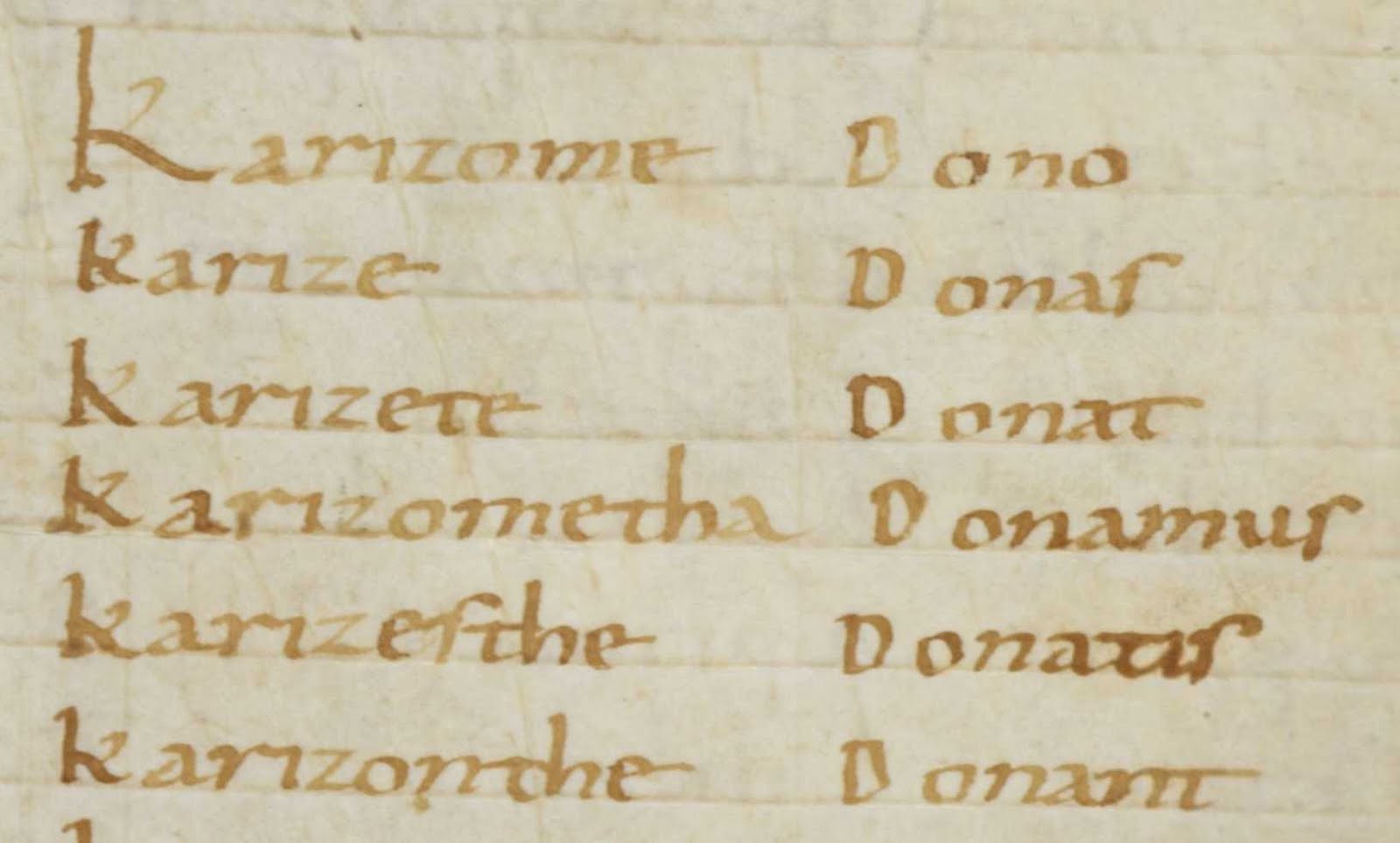
Occasionally we come across Christians who, when informed that the text of the gospels underwent corruption during their transmission, often react with the following type of questions: “When? Občas sa stretávame s kresťanmi, ktorí, keď informoval, že text evanjelií prešiel korupcie počas ich prenosu, často reagujú s týmto typom otázok: "Kedy? Who did the corruption? Kto to korupcia? In what country? V akej krajine? Before or after Muhammad? Pred alebo po Mohameda? Why was it done? Prečo sa to stalo? How come no one noticed it?” These type of seemingly “innocent” questions merely reveal the incalculably colossal ignorance of the person in question. Christians who pose such questions do not seem to realize how utterly foolish they come across to anyone who are familiar with at least the very basics of textual criticism. Ako to, že nikto nevšimol? "Tieto typy zdanlivo" nevinné "otázky len odhaľujú nevyčísliteľne kolosálny neznalosť danej osobe. Kresťanov, ktorí predstavujú tieto otázky nezdá sa, že si uvedomuje, ako úplne hlúpo, že narazia na niekoho, kto sú oboznámení s prinajmenšom veľmi základy textovej kritiky. Thus, the poor questioner only succeeds in on humiliating no one else but himself. Preto chudobní anketár len podarí na ponižujúce nikto iný ako on sám. Christian apologists and missionaries need to stop posing such outdated, absurd questions since it reflects quite badly upon their intelligence and gives others a very bad impression of them. Obhajcovia a kresťanských misionárov potreba zastaviť predstavuje ako zastarané, absurdné otázky, pretože odráža docela zle na ich inteligenciu a poskytuje ďalšie veľmi zlý dojem z nich.

Continue reading » Pokračovať v čítaní »

Differences Between the Muslim and Christian Concepts of Divine Love Rozdiely medzi moslimskými a kresťanskými Pojmy Božskej lásky


22 September 2008 22.září 2008
Murad Wilfried Hofmann Murad Wilfried Hofmann

1. 1. Introduction Úvod

All religions fulfill several functions. Všetky náboženstvo plní niekoľko funkcií. They try to establish a relationship between man and the larger Reality of which he forms a tiny part, orienting him within the immense universe that he inhabits. Snažia sa vytvoriť vzťah medzi človekom a väčšia realita, ktorú tvoria len malú časť, orientácia v ňom obrovské vesmíre, kde žije. This usually leads to a metaphysical interpretation of the world and conceptionally to the postulation of a divine Supreme Being. Toto zvyčajne vedie k metafyzický výklad sveta a conceptionally na Postulation božskej najvyššieho bytia. These efforts sooner or later culminate in a science of God , verbally “theology”, called al-aqida in Islam. Tieto snahy sa skôr či neskôr vyvrcholí vo vede Boha, slovne "teológia", nazývané al-aqida v islame.

Continue reading » Pokračovať v čítaní »